
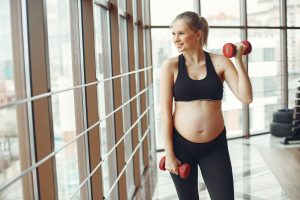
Many people with uncomplicated pregnancies can continue or begin appropriate exercise. Your pregnancy, symptoms, previous activity, and obstetric guidance determine what is suitable for you. A generic workout is not medical clearance.
Discuss the Plan Early
ACOG recommends discussing exercise during prenatal care. Ask about restrictions, appropriate effort, and changes that should prompt contact. Revisit the conversation when symptoms or circumstances change.
An experienced exerciser and someone starting after a long inactive period may need different plans. A previous uncomplicated pregnancy does not determine what is appropriate this time.
Choose Suitable Activities
Walking, stationary cycling, and swimming may be options when appropriate. A coach can also help select and modify suitable resistance exercises within your care team’s guidance. Squat depth or abdominal exercise should not be governed by a blanket rule detached from the person and movement.
ACOG advises avoiding activities with significant contact, abdominal-trauma, fall, or overheating risks, including contact sports and hot yoga. Do not interpret previous experience as making every sport suitable during pregnancy.
Adjust the Position and Workload
Changes in balance and comfort can affect exercise selection. Avoid prolonged flat-on-the-back positions and modify activities as advised. Discuss a suitable warm-up, rest, and access to fluids rather than pushing through an unfamiliar or uncomfortable movement.
For an inactive person, a short manageable session may be a starting point. The goal is not to immediately reproduce a pre-pregnancy performance or meet a generic target regardless of symptoms.
Know When to Stop
Stop and contact your obstetric care team for vaginal bleeding or fluid leakage, dizziness or faintness, chest pain, breathing difficulty before exertion, regular painful contractions, or calf pain or swelling. Severe or life-threatening symptoms require emergency care.
Our postpartum return-to-exercise guide addresses a different stage; advice after delivery should not be substituted for current pregnancy guidance.
Keep Benefits and Expectations Realistic
Appropriate activity can support fitness during pregnancy, but no trainer should promise an easy delivery, prevention of all complications, or immunity from morning sickness. Pregnancy is not a time to pursue a generic rapid-weight-loss program.
Share relevant restrictions with your trainer and ask how sessions can be adapted. Pelvic-floor symptoms may need individualized clinical assessment rather than automatically doing more Kegels.
Discuss Fitness Options at VIP
VIP Fitness Center offers 30-minute private coaching at 1620 Lemoine Ave, Suite 2, Fort Lee — upstairs. Book a Free Body Diagnostic to discuss goals and restrictions. Tell us you are pregnant before any assessment; InBody testing is not required to have a fitness conversation and should follow applicable manufacturer and clinical guidance. The consultation does not provide obstetric clearance.