Published by Brian Hernandez, Owner & Personal Trainer at VIP Fitness Centeron October 26, 2026
After your first month of personal training, you should understand your program better—not just know that the workouts made you tired. You should be clearer about what you are practicing, how the appointments fit your week, and what the next step will be.
The following four-week framework is a way to discuss the value of coaching. It is not a fixed VIP protocol or a promise of a particular physical transformation in 30 days.
Before the First Paid Session: Remove the Uncertainty
Clarify your main goal, relevant restrictions, preferred training times, and the package you are choosing. At VIP Fitness Center, ongoing private appointments last 30 minutes. The Free Body Diagnostic is a separate introductory consultation.
Ask how trainer matching and appointment coordination will work. You should know where to arrive, how to contact the team, and what the applicable booking terms are. Starting with clear expectations is better than trying to resolve basic questions between exercises.
Week One: Learn the Decisions Behind the Exercises
A useful first week introduces a manageable number of movements and explains their purpose. You should be able to ask how to set up, what a repetition should look like, and when to stop or request help.
Notice whether instructions make sense to you. Some people prefer a demonstration before trying the movement; others benefit from one cue at a time. Tell the trainer what helps you learn. Private coaching gives that conversation room to happen.
Week Two: Check Whether the Schedule Works in Real Life
Compare the appointments you planned with the visits you completed. Did a particular time repeatedly conflict with work? Did travel take longer than expected? Those observations deserve a scheduling adjustment, not a judgment about your motivation.
Two scheduled sessions weekly create eight planned appointments across four weeks. Three create twelve. Neither count is a universal prescription. Use the training-frequency comparison to discuss the commitment that makes sense for you.
Week Three: Establish a Record You Can Compare
For selected exercises, record the version, resistance, repetitions, and a useful coaching cue. A label such as “leg day” does not tell you enough to understand what changed. Comparable records allow a more specific discussion than asking whether each workout felt harder.
For example, repeating the same row with better control may be useful information even when the weight stays the same. The next step could be another repetition, a modest resistance adjustment, or continued practice. It should have a reason.
ACSM’s resistance-training guidance emphasizes regular participation and matching training to individual goals. Complexity and exhaustion are not requirements for every productive session.
Week Four: Ask What We Keep and What We Change
A review should connect the records to your original goal. What became easier to understand? What remains difficult? Does the schedule fit? Is the exercise workload appropriate? Which measure will help evaluate the next phase?
A month is enough time to review the process; it is not a deadline for a particular body-fat change. Recognize useful learning and attendance while remaining honest about goals that have not yet changed.
What Would Be a Reason to Speak Up?
Ask questions when you do not understand the exercise, when the plan seems unrelated to your goal, or when the appointment arrangement is not working. New pain or concerning symptoms should also be raised promptly and may need healthcare assessment rather than a training adjustment alone.
You do not need to wait until your package ends to discuss a problem. Clear feedback gives the team a chance to address it while your plan is still taking shape.
Start With a Plan You Understand
Book your Free Body Diagnostic to discuss your goals and what you want from private coaching. The complimentary 30-minute consultation includes an InBody assessment and carries no purchase obligation.
Find VIP Fitness Center upstairs at 1620 Lemoine Ave, Suite 2, Fort Lee. Bring your preferred days and the questions that would make getting started easier.
Published by Brian Hernandez, Owner & Personal Trainer at VIP Fitness Centeron October 19, 2026
An InBody result is most useful when it helps answer a practical question: What should I work on next, and how will we review it? Collecting numbers without a plan can leave you just as uncertain as stepping on an ordinary scale.
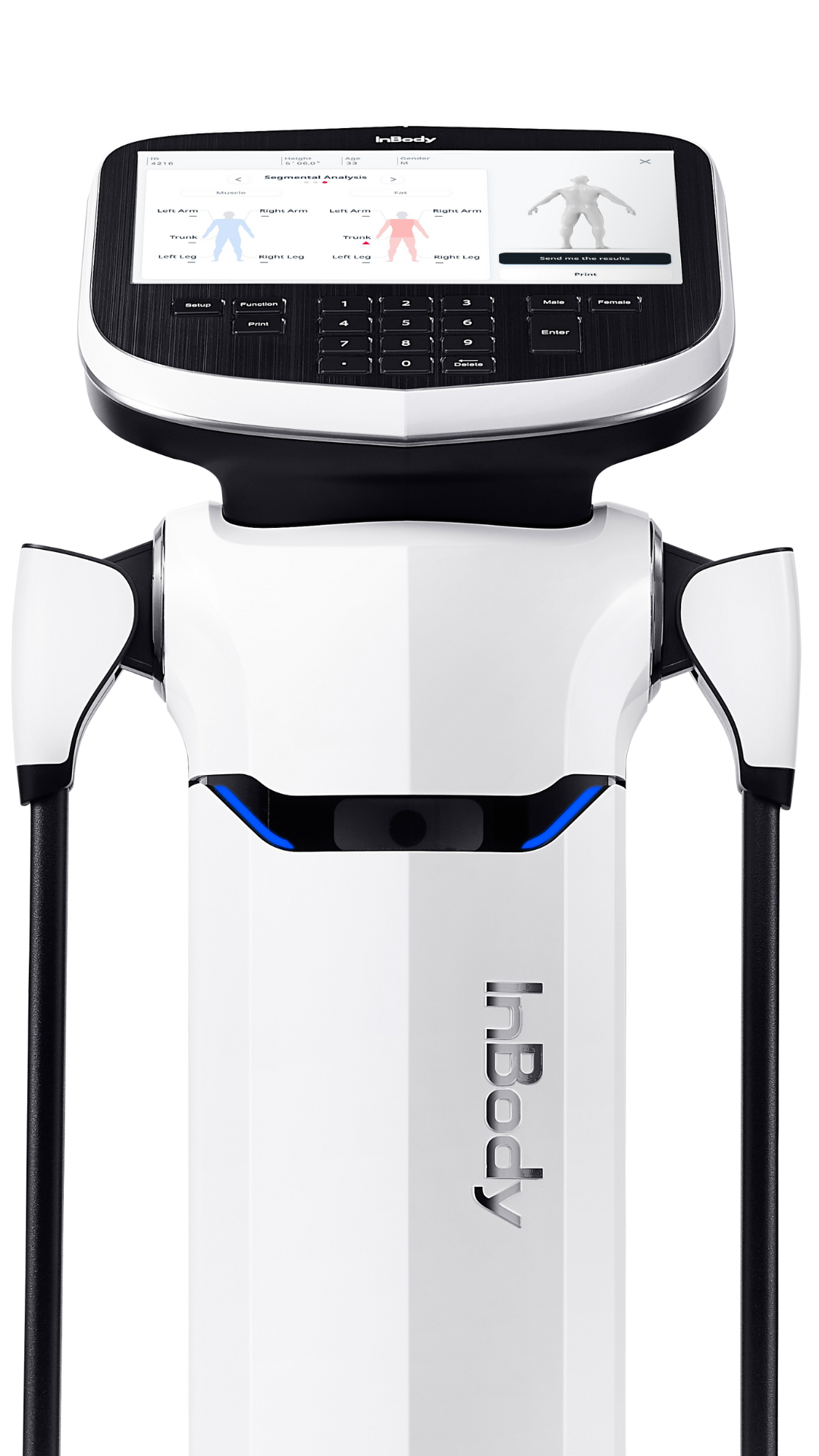
At VIP Fitness Center, an InBody body-composition assessment is included in the Free Body Diagnostic. This guide explains how to bring those results into a productive conversation about your training.
Start With What the Assessment Estimates
InBody uses bioelectrical impedance to estimate aspects of body composition, including fat, muscle, and body water. Its testing guidance explains why preparation matters: recent exercise, food and fluid intake, clothing, and testing time can affect a comparison. Follow the guidance for the device and your circumstances.
An assessment is not a diagnosis, a medical clearance, or a precise explanation of why your weight changed. It belongs alongside your goals, training history, and any relevant healthcare advice.
Pick the Question Before Studying Every Number
Someone who wants to improve everyday strength may need a different conversation from someone pursuing a body-composition goal. Before interpreting the sheet, write one sentence about what matters to you: lifting something more comfortably, rebuilding a training routine, or evaluating a longer-term change.
Then ask which measurements help answer that question. A body-fat estimate and a record of your rowing exercise describe different things. Improvement in one does not automatically establish improvement in the other.
Understand Percentage Points Versus Pounds
For a simple arithmetic example, a change from 30% to 28% body fat is a difference of two percentage points. It is not the same statement as losing two pounds of fat. Calculating an estimated fat-mass change also requires the body weight recorded at each test.
This example is not a client result or a target. It illustrates why reading a result sheet with context is more useful than focusing on the largest-looking change. Ask the trainer to explain unfamiliar terms before making a major decision.
Make the Next Comparison Fair
Keep a note of the date, device, time of day, and any unusual circumstances surrounding the test. A reading after an unfamiliar workout and another before breakfast are not automatically equivalent comparisons. Use the manufacturer’s preparation instructions rather than changing your normal habits just to obtain a preferred number.
Tell the team about medical restrictions or circumstances that could affect whether testing is appropriate. The consultation can still be a conversation about your goals; completing a scan is not a test you must pass before asking for coaching.
Add Two Records the Scanner Does Not Provide
Attendance: compare planned appointments with completed visits. Training: record a few selected exercises, including resistance, repetitions, and the version performed. These records help distinguish a scheduling issue from a question about the program.
For example, an unchanged scan alongside better attendance and clearer exercise technique may justify continuing the plan and gathering another comparable measurement. A disappointing number does not automatically mean that you need more appointments, less food, or harder workouts.
Our seven-check progress guide explains how to investigate a routine before changing everything at once.
Leave With a Decision and a Review Point
A useful outcome might be to establish two dependable training times, learn a small group of exercises, or keep the current routine while improving measurement consistency. Choose a review point and specify which information you will bring.
The assessment should inform the plan, not become the entire plan. Ask what the next coaching step would be and why it fits your goal. Learn about our 30-minute private training when individual instruction is the support you need.
Book Your Starting Conversation in Fort Lee
Your complimentary 30-minute Free Body Diagnostic includes an InBody assessment and a discussion of goals, experience, and scheduling. There is no obligation to buy a package.
Published by Brian Hernandez, Owner & Personal Trainer at VIP Fitness Centeron October 15, 2026
The right personal training package should answer three questions: What support am I buying, can I attend the appointments, and does the full commitment fit my budget? A lower price per session is useful only when the sessions provide the coaching you need and you can actually use them.
At VIP Fitness Center in Fort Lee, our core service is 30-minute, one-to-one personal training. This guide gives you a practical way to compare packages before deciding how many sessions to purchase.
First, Compare the Same Service
Private coaching, semi-private training, group classes, and equipment-only access are different purchases. A quoted session price means little without the session length and trainer-to-client arrangement. Thirty minutes with a trainer focused on you is not the same product as an hour in a group.
Our private appointments take place upstairs in Suite 2. VIP Personal Fitness offers semi-private and group programs downstairs in Suite 1. Either setting can be appropriate; compare them according to your need for individual attention rather than treating the lower-priced option as automatically better value.
Use Three Numbers to Understand a Package
Write down the total package price, the number of included sessions, and your intended weekly frequency. Then calculate:
Price per included session: total price divided by included sessions.
Planned training time: weekly appointments multiplied by session length.
Approximate usage period: session count divided by planned weekly appointments.
For an arithmetic example, 24 sessions used twice weekly represent 12 training weeks. At three visits weekly, the same count represents eight training weeks. This example is not a current package offer, an expiration policy, or a promise that specific appointment times are available.
The useful question is whether you can maintain the frequency that makes the package sensible. Include travel and changing time in the calendar, not just the workout itself.
What Does Personal Training Cost at VIP?
Pricing depends on the package and training frequency. We review the available options, payment schedule, and applicable renewal terms during your consultation. For current pricing, call 201-947-2003 or book your Free Body Diagnostic.
A written quote is more useful than a rate copied from an old promotion. Ask which services the price includes and whether any additional charge applies to the option you are considering. A payment arrangement should also make clear how much is due now, what is due later, and the overall commitment.
Do Not Confuse a Payment Cycle With a Calendar Month
When comparing any recurring arrangement, ask whether billing is calendar-monthly or every four weeks. Those are different intervals. Also clarify whether the arrangement is a fixed package, an automatically renewing program, or an installment plan for a defined purchase.
This is a comparison checklist, not a statement that every VIP package uses the same billing structure. Read the terms for your actual selection, including any expiration, renewal, cancellation, or payment conditions.
Choose Frequency Before Chasing a Bigger Package
Someone who needs more supervised practice may reasonably choose three weekly appointments. Another person may be best served by two dependable visits and an agreed plan for activity between them. Our two-day versus three-day training guide explains that decision.
My recommendation is to choose the package around a realistic training plan, not build an unrealistic schedule to justify a discount. A larger package can make sense for someone ready for a longer commitment, but more prepaid visits are not themselves proof of better results.
Confirm the Practical Details Before Paying
Bring the days and times that work for you and ask about current availability. Confirm how trainer matching works, how appointments are booked, and what happens when your schedule changes. Ask how the program will be reviewed as you progress.
If you are comparing two quotes, put them side by side using the same headings: service, session length, session count, total cost, payment dates, appointment availability, and applicable terms. This turns an emotional price comparison into a useful purchase decision.
Leave the First Conversation With a Clear Next Step
You do not need to arrive knowing which package to buy. Your Free Body Diagnostic is a complimentary 30-minute consultation with an InBody body-composition assessment and a discussion of your goals and schedule. It is separate from ongoing training appointments and carries no purchase obligation.
Published by Brian Hernandez, Owner & Personal Trainer at VIP Fitness Centeron August 5, 2026 | 2 Responses
Summer is one of the best times of year to take your fitness routine outside. Longer daylight hours, warmer temperatures, and access to local parks, trails, and recreational areas make outdoor activity an appealing option for many people. Whether you enjoy walking, running, cycling, hiking, or outdoor strength training, exercising outside can provide both physical and mental health benefits.
At VIP Fitness Center in Fort Lee, NJ, serving Englewood Cliffs and nearby Bergen County communities, we encourage members to stay active year-round while taking the necessary precautions to exercise safely during the summer months.
Popular outdoor workouts in Englewood Cliffs and Bergen County include:
Walking and power walking
Jogging and running
Cycling
Hiking local trails
Outdoor boot camps
Bodyweight training
Recreational sports
Park-based fitness sessions
By incorporating outdoor workouts into your weekly routine, you can add variety while continuing to work toward your health and fitness goals.
Mental Health Benefits of Outdoor Exercise
One of the biggest advantages of outdoor exercise is its positive impact on mental well-being. Spending time in nature and green spaces has been associated with lower stress levels and improved mood.
Benefits may include:
Reduced feelings of stress and anxiety
Improved focus and concentration
Better overall mood
Increased energy levels
Greater workout enjoyment
Enhanced motivation to stay consistent
Many people report feeling more refreshed and mentally energized after exercising outdoors compared to indoor workouts.
Exercise Earlier or Later in the Day
Summer temperatures in Bergen County can become quite high during midday hours. Exercising during cooler parts of the day can reduce heat exposure, but check current conditions rather than assuming an early or late workout is safe.
Consider scheduling your workouts:
Early in the morning
In the evening when conditions are cooler
Along shaded routes when conditions permit
Avoiding peak afternoon heat can help reduce:
Heat stress
Excessive sweating
Fatigue
Dehydration
Performance decline
Choose a time that fits both the weather and your schedule. Move the workout indoors or postpone it when conditions are unsafe.
Stay Hydrated Before, During, and After Exercise
Hydration is one of the most important aspects of safe summer exercise. Your body loses fluids through sweat, and those losses increase significantly in hot and humid weather.
To maintain proper hydration:
Drink water before your workout
Carry water with you during exercise
Replenish fluids afterward
Consider electrolyte replacement during longer workouts
Monitor urine color as one rough hydration indicator, not a medical test
Fluid needs vary. Follow your clinician’s instructions if you have a condition or medication that affects fluid or salt intake, and do not force excessive amounts of water.
Watch for Signs of Heat-Related Illness
Possible heat exhaustion: stop and cool down
Heavy sweating, headache, dizziness, nausea, unusual weakness, or muscle cramps during heat exposure are reasons to stop exercising. Move to a cooler place, loosen unnecessary clothing, and apply cool, wet cloths. Seek medical evaluation for suspected heat exhaustion. A person who is fully alert and able to swallow can take small sips of cool water. Do not leave them alone.
Possible heat stroke: call 911 immediately
Confusion, slurred speech, seizures, or loss of consciousness during heat exposure can signal heat stroke, a medical emergency. Call 911 immediately and begin cooling while help is on the way. Move the person to shade or air conditioning, remove excess clothing, wet the skin, and use cold, wet cloths or a cool-water bath if feasible and safe. Heat stroke can occur even when a person is still sweating. Do not wait for symptoms to persist, and do not give anything to drink to someone with suspected heat stroke.
While outdoor workouts offer many benefits, there are days when indoor exercise is the safer option. High temperatures, excessive humidity, poor air quality, or severe weather conditions can increase health risks.
On particularly hot summer days, a climate-controlled fitness facility can reduce exposure to outdoor heat. Workouts should still be adjusted to your health, experience, and how you feel.
At VIP Fitness Center, members can enjoy a comfortable workout environment while maintaining consistency with their fitness routines regardless of outdoor weather conditions.
Combining Indoor and Outdoor Training
Outdoor activities can add enjoyment and variety, while indoor sessions provide an opportunity for structured strength training. Choose a combination you can repeat consistently rather than trying to make every workout intense.
This balanced approach can help you:
Avoid workout burnout
Reduce weather-related interruptions
Improve overall fitness
Maintain consistency
Support long-term health goals
The Bottom Line
Outdoor workouts can be an enjoyable part of a summer routine. Plan around the weather, choose appropriate clothing and hydration, and recognize when symptoms require medical help rather than another workout adjustment.
VIP Fitness Center is at 1620 Lemoine Ave, Suite 2, Fort Lee, NJ 07024 — upstairs. The Free Body Diagnostic is a fitness consultation, not a medical diagnosis or treatment.
Published by Brian Hernandez, Owner & Personal Trainer at VIP Fitness Centeron May 21, 2026 | 4 Responses
Not seeing results at the gym does not automatically mean you need harder workouts or more appointments. First check what you are measuring, how consistently you are training, whether your exercises are progressing, and what is happening between sessions. Use the seven checks below to choose a sensible next step instead of changing everything at once.
At VIP Fitness Center in Fort Lee, we offer 30-minute, one-to-one personal training. This guide is a starting point for reviewing your routine, not a diagnosis of why a particular person is struggling.
1. Define the Result You Are Trying to Measure
“Nothing is working” is difficult to investigate. “I want to increase my rowing strength” or “I want to reduce my waist measurement” gives you something specific to review. Those are different goals, and success on one measure does not prove success on another.
Next step: Write down your main goal, your starting point, and the date you began tracking it. For strength, compare the same exercise, resistance, repetitions, and technique. For a body-composition goal, discuss a suitable combination of measurements rather than relying on one number. For everyday fitness, choose a repeatable activity that matters to you, such as walking your usual route more comfortably.
2. Count Completed Sessions, Not Planned Sessions
Look at your actual attendance over the last four weeks. For example, planning twelve sessions but completing eight means you attended about 67% of the intended appointments. That is an illustration, not a client case study or a score of how hard someone tried.
Next step: Note why sessions were missed. A recurring work conflict calls for a scheduling solution before a more demanding program. Review our two-day versus three-day strength-training guide to compare realistic commitments. A third session can be useful when it fits the person; it is not a substitute for resolving the obstacles to attending.
3. Check the Training Log Before Adding Weight
Can you explain what changed across your last few sessions? Record exercises, sets, repetitions, resistance, and how demanding the work felt. Repeating suitable exercises can make comparisons clearer; a different workout every visit is not automatically a better program.
Next step: Ask whether the current workload matches your goal and abilities. An illustrative progression is completing the same exercise with an additional controlled repetition before considering a small load increase. Keeping the load steady while learning technique may also be appropriate. You do not need a personal record at every appointment.
The American College of Sports Medicine’s 2026 guidance for healthy adults emphasizes regular participation and individualized training. It also reports that training to momentary muscle failure did not consistently improve outcomes for the average healthy adult. Appropriate effort matters, but exhaustion is not the objective of every session.
4. Review Recovery Before Assuming You Need More Intensity
Write down recent sleep patterns, unusually demanding workdays, and how you feel entering each session. These notes give your trainer more context than “the workout felt harder.” The CDC includes sleep and stress management alongside nutrition and activity in a healthy weight-management approach.
Next step: Discuss whether to maintain, reduce, or progress the current workload. Do not label persistent fatigue as “overtraining” based on a checklist. New pain, recurrent dizziness, or unexplained fatigue deserves medical guidance rather than a recommendation to push through.
5. Look at Nutrition and Movement Outside the Gym
A training log does not show your whole week. For a few typical days, note meals, drinks, general activity, and schedule disruptions. Include a weekend day when it differs from your weekdays. This is information gathering, not a reason to blame yourself or begin an extreme diet.
Next step: Choose one realistic habit to discuss, such as planning a regular meal or adding a manageable walk. The CDC recommends tracking habits and setting specific, achievable goals; medicines and medical conditions can also affect weight management. Seek individualized nutrition advice from a registered dietitian when needed. Skip food tracking if it increases anxiety or reinforces disordered eating, and ask for appropriate support.
For general health, CDC adult activity guidance includes at least 150 minutes of moderate-intensity aerobic activity weekly, or an equivalent vigorous-activity combination, plus muscle-strengthening work on at least two days. These are general targets to build toward, not a promise of weight loss or a requirement to add the whole amount immediately.
6. Make Sure Your Measurements Are Comparable
Before interpreting a change in body-composition readings, check the testing conditions. InBody notes that food, fluids, recent exercise, and time of day can affect results, and recommends consistent preparation for repeat tests. Follow the manufacturer’s testing guidance and ask about any restrictions relevant to you.
Next step: Use the same device and comparable conditions for follow-up tests, then consider the trend alongside training records and other relevant measurements. Do not treat one small scan difference as proof that you gained muscle or lost fat. Equally, an unchanged scale does not by itself prove either failure or body recomposition. A fitness assessment is not a medical diagnosis.
7. Set a Review Date, Not a Transformation Deadline
Agree on when to review the plan and what evidence to bring. A four-week check-in, for example, can be used to assess attendance, exercise records, and whether your routine is manageable. It is not a promise that your body will look different in four weeks.
Next step: Decide whether to keep the plan, adjust one element, or seek a different kind of assessment. If training records are improving but your main goal is not, acknowledge both findings. Do not dismiss the goal, but do not discard useful progress either.
What Should You Change First?
Use the information you have collected to choose the next conversation. These are illustrative situations, not guaranteed explanations:
You keep missing the same appointment: Address the calendar conflict before adding another training day.
You attend consistently but have no training records: Establish a simple log so that exercise decisions are based on more than memory.
Your performance is declining and you feel unusually fatigued: Review workload and recovery, and seek medical guidance when symptoms are persistent or unexplained.
Two InBody tests were taken under different conditions: Standardize the next comparison before making major changes based on the scan alone.
For a practical first week, bring your recent notes to your trainer, select one manageable change, and agree on a review date. Changing training frequency, diet, exercises, and daily activity simultaneously can make it harder to identify what helped.
Frequently Asked Questions
Should I buy more sessions if I am not seeing results?
Only when there is a clear reason for the additional coaching or training time and it fits your schedule and recovery. First establish whether the issue is attendance, programming, another habit, or the way progress is being measured.
Do I need to replace my whole workout?
Not automatically. Start by identifying what is and is not working. Your coach may keep useful exercises, adjust their workload, or change the plan when there is a specific reason. Novelty alone does not explain whether a routine fits your goal.
Can an InBody assessment tell me exactly why progress has stalled?
No. It adds body-composition information, but cannot establish the cause by itself. Consider it alongside your history, goals, training, and relevant medical advice rather than treating the scan as a complete answer.
Discuss Your Starting Point at VIP Fitness Center
Our Free Body Diagnostic is a complimentary 30-minute consultation that includes an InBody body-composition assessment and a conversation about your fitness goals, current routine, and schedule. Bring your questions and any recent training notes you would like to discuss.
VIP Fitness Center provides private, 30-minute personal training at 1620 Lemoine Ave, Suite 2, Fort Lee, NJ 07024 — upstairs, serving clients from Ridgefield and nearby communities. The consultation is separate from ongoing training appointments and carries no obligation to purchase.
Strength training can be worthwhile even when weight loss is not your goal. Choose outcomes that matter in your daily life, then use consistent measurements to see whether your program is helping.
1. Make a Familiar Task More Manageable
Choose a task such as getting up from a chair or carrying a suitable load. Describe what currently makes it difficult. A coach can select relevant exercises, but an exercise resembling the task is not a guarantee that it will solve pain or a medical limitation.
For example, compare the same sit-to-stand setup over time rather than changing chair height every week. Use support and professional guidance when needed.
2. Learn an Exercise You Previously Avoided
A useful goal might be learning how to set up a rowing machine, perform an appropriate squat variation, or control a resistance exercise. Record what instruction helped and what still feels uncertain. Skill practice is progress even before the resistance increases.
3. Increase a Specific Strength Measure
Compare the same exercise with a similar range of motion, repetitions, and setup. The ACSM resistance-training guidance supports tailoring training to the outcome you want rather than assuming one routine serves every purpose.
Our progression guide explains how to make a small change without treating every session as a personal-record attempt.
4. Build a Routine That Fits Your Week
Attendance is a process measure, not a health guarantee. Still, it helps you determine whether the plan is realistic. Count completed appointments and the reasons for changes. Address a recurring scheduling conflict rather than interpreting it as a lack of motivation.
For bone-related questions, read our bone-health guide. A stronger lift or an InBody result does not establish a change in bone density.
Keep the Review Honest
At your review, identify which measures changed and which did not. Do not claim a posture correction, improved hormones, pain cure, or longer lifespan from an individual workout log. Agree on the next adjustment based on the outcome you are actually tracking.
VIP Fitness Center provides 30-minute, one-to-one training in Fort Lee. Book a Free Body Diagnostic at 1620 Lemoine Ave, Suite 2 — upstairs—to discuss goals beyond the scale. The consultation is complimentary; individual needs and results vary.
A straightforward pasta dish with vegetables, lemon, Parmesan, and an optional crunchy walnut topping. This recipe retains the original ingredient amounts; the serving you choose can be adjusted to your needs.
Yield: 6 servings. The former calorie figure has been removed because a verified nutrition calculation was not available. Actual values depend on brands, portions, and optional ingredients.
Ingredients
1 pound dry whole-wheat penne or rotini
1 tablespoon extra-virgin olive oil
2 garlic cloves, minced
1 large shallot, minced
8 ounces mushrooms, sliced
1 pound asparagus, woody ends trimmed, cut into 1-inch pieces
1/2 cup low-sodium vegetable or chicken broth
1/4 cup grated Parmesan cheese
1 tablespoon lemon juice
1 teaspoon lemon zest
Salt and black pepper, to taste
1/4 cup chopped fresh parsley
Optional: 1/4 cup toasted walnuts, roughly chopped
Method
Wash the asparagus and other produce appropriately. Bring a large pot of water to a boil and cook the pasta according to its package directions until the texture suits you. Reserve 1/2 cup of the cooking water, then drain.
While the pasta cooks, heat the olive oil in a large skillet over medium heat. Add the shallot and garlic and cook gently until fragrant, avoiding burned garlic.
Add the mushrooms and cook, stirring as needed, until they soften and release moisture, approximately 5 minutes.
Add asparagus and broth. Simmer until the asparagus is cooked to your preferred tenderness, checking after several minutes rather than relying on a fixed time for every spear thickness.
Add the drained pasta, lemon juice, lemon zest, and Parmesan. Toss and add a small amount of reserved pasta water as needed to loosen the sauce.
Season to taste and serve with parsley and the optional walnuts.
Adaptations and Allergens
Use vegetable broth for a meat-free version. Check cheese labeling if you follow a strict vegetarian diet. Pasta and Parmesan commonly contain wheat and milk respectively; walnuts add a tree-nut allergen. Choose suitable substitutions for your needs and check every product’s label.
You can add a suitable protein food if desired, but the pasta does not need to become carbohydrate-free to fit a fitness routine. This is a recipe, not an individualized nutrition prescription.
Store Leftovers Safely
Follow USDA leftover guidance: refrigerate promptly in shallow containers and reheat leftovers to 165°F. Do not leave the finished dish on a counter for the rest of the day.
Intervals alternate activity with recovery, but not every interval workout is HIIT. A starting routine can use manageable effort without repeated jumps, burpees, or all-out sets. The example below is for discussion, not a prescription for every reader.
Check the Fit Before Starting
Choose movements you already understand and can perform comfortably. Clear the space and use stable, non-slip supports. Medical restrictions, current pain, dizziness, or other concerning symptoms may require guidance or a different activity.
The CDC’s intensity guidance can help describe effort, but a talk test does not provide medical clearance.
A Four-Station Example
When suitable for you, try up to 30 seconds of comfortable movement followed by at least 30 seconds to recover and move to the next station. Shorten the work or extend the rest as needed.
March in place: Use a pace and range you can control. Use stable support if needed.
Sit-to-stand: Use a stable chair that cannot slide or tip. Select a height and assistance that fit your ability.
Wall push-up: Choose a comfortable distance and range. Stop if the movement causes pain or other concerning symptoms.
Side steps: Move in a clear area without jumping or crossing into an unstable position.
One round takes about 4 minutes when each station uses 30 seconds of work and 30 seconds of rest. Two rounds take about 8 minutes before any additional breaks. Adding a 5-minute easy warm-up and a 3-minute easy finish gives an illustrative 16-minute session—not a required duration.
Choose the Next Step Deliberately
Start with less when appropriate. Completing one suitable round may be a useful introduction. Progress only after considering technique, effort, recovery, and your goal; making every interval longer or harder is not automatically the right choice.
This template is not a complete replacement for all strengthening and aerobic needs. Our weekly planning guide helps put individual sessions in context.
Avoid Calorie and Injury Guarantees
A fixed claim of over 1,000 calories per hour cannot predict what an individual will expend. Bodyweight exercise also carries risks; correct technique cannot guarantee that every activity is safe for every person.
Stop for chest pain, faintness, or unusual breathing difficulty and seek appropriate medical attention. Do not treat warning signs as a required part of high-intensity training.
Discuss a Suitable Program at VIP
VIP Fitness Center offers 30-minute private coaching. Book your Free Body Diagnostic at 1620 Lemoine Ave, Suite 2, Fort Lee — upstairs—to discuss your starting point. The consultation is complimentary and does not provide medical clearance or a guaranteed outcome.
A chicken-and-mushroom skillet with onion, bell pepper, garlic, and a light sauce. Serve from ordinary plates; a hot sizzling platter is optional presentation, not a nutritional benefit.
Yield: 4 servings. Nutrition varies by ingredients and portions; the earlier calorie estimate has not been independently validated.
Ingredients
1 pound boneless, skinless chicken breast, cut into strips
8 ounces fresh mushrooms, sliced
1 medium onion, sliced
1 red bell pepper, sliced
3 garlic cloves, minced
1 tablespoon olive oil
2 tablespoons low-sodium soy sauce
1 tablespoon oyster sauce, optional
1/4 cup low-sodium chicken broth
1 teaspoon cornstarch mixed with 1 tablespoon water
1/4 teaspoon black pepper
1/4 teaspoon paprika, optional
Optional garnish: sliced green onion or chopped parsley
Method
Prepare the vegetables and keep raw chicken separate from ready-to-eat food. Heat the oil in a large skillet over medium-high heat.
Add chicken strips and cook, turning as needed, until browned and the thickest pieces reach 165°F on a thermometer. Move them to a clean plate.
Add onion, garlic, mushrooms, and bell pepper to the skillet. Cook, stirring, until the vegetables are tender to your preference. Reduce heat if the garlic begins to burn.
Add soy sauce, optional oyster sauce, broth, pepper, and optional paprika. Stir the cornstarch slurry again, then add it and simmer until the sauce thickens.
Return the cooked chicken to the skillet and stir until the dish is heated through. Garnish and serve.
Use Temperature, Not Browning Alone
The USDA poultry minimum is 165°F. The original instruction to brown chicken for a few minutes did not by itself establish safe cooking.
Refrigerate leftovers promptly in suitable shallow containers and reheat to 165°F. Do not leave the cooked dish on a warming-looking but unheated platter for an extended period.
Serving and Allergy Options
Serve with rice, another suitable grain, or sides you enjoy. Choose portions for your needs; there is no requirement to replace all rice with vegetables to make the meal worthwhile.
Soy and oyster sauces can contain soy, wheat, and shellfish. Check all product labels, including broth and substitutions. The optional sauce should be omitted or replaced when it is not appropriate for an allergy or preference.
Hydration works best as a practical plan matched to your day, activity, and health—not a universal instruction to drink eight glasses or more regardless of circumstances.
1. Make Appropriate Drinks Accessible
Keep a clean bottle or another convenient source available when you need it. Plan refills for a longer outing. A reminder can help, but you do not need to force a glass at every alarm or drink excessive amounts at once.
2. Account for the Whole Day
The CDC explains that fluid needs vary and food and other drinks can contribute. An ordinary short session and prolonged activity in heat are not the same situation.
Follow prescribed fluid or salt restrictions if you have them. A general fitness article cannot determine a medical hydration target.
3. Choose Flavor Without a Health Halo
Water with suitable fruit slices or a beverage you enjoy may make your plan easier to follow. Juice, sweetened drinks, and herbal products differ in ingredients, portion, and medical suitability.
A natural label does not guarantee safety or make all calories irrelevant. If plain water repeatedly causes unusual discomfort, seek advice rather than assuming tea is a treatment for the underlying issue.
4. Match Workout Fluids to the Task
Have water available and consider intensity, duration, environment, and your response. Sports drinks or electrolyte products are not mandatory for every 30-minute appointment.
For hot-weather detail, see our summer hydration guide. Heat safety involves workload and cooling as well as what you drink.
5. Recognize When Symptoms Need More Than a Drink
Dark urine or thirst can offer clues, but they do not diagnose every problem. Our dehydration guide explains warning signs and why a skin pinch or urine color cannot reliably rule out illness.
Confusion, fainting, significant breathing difficulty, or severe illness needs urgent medical attention. Do not give a drink to someone who is confused or unconscious.
Keep the Plan Proportionate
You do not need to reach an exact water quota to make a workout count, and sweating off weight is not the same as losing body fat.