
Lifestyle

Can Personal Training Fit Your Lunch Break? A 60-Minute Time Audit
Can Personal Training Fit Your Lunch Break? A 60-Minute Time Audit

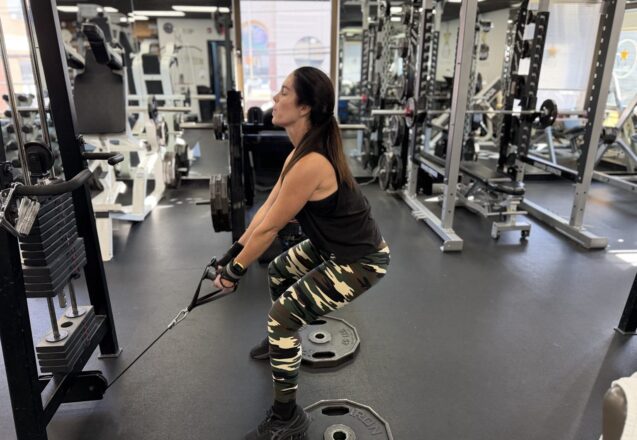
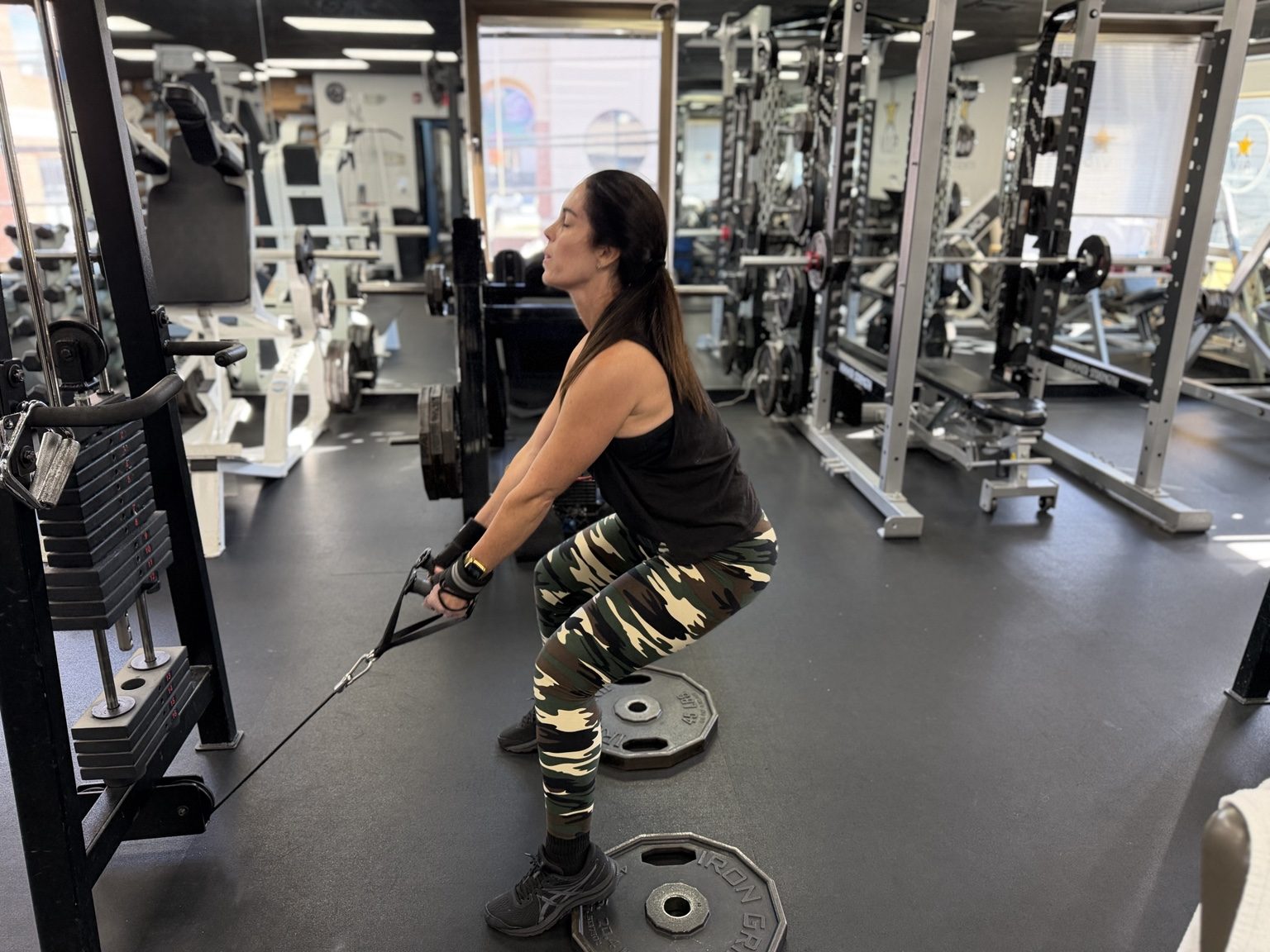
Woman holding a low cable handle while lowering into a squat.

A 30-minute personal training session can fit a lunch break only when the rest of the trip fits too. Travel, changing, parking, and getting back to your next commitment are part of the decision. Ignoring them makes a good idea harder to repeat.

VIP Fitness Center offers 30-minute one-to-one coaching upstairs in Fort Lee. Here is a practical way to test whether that format fits your workday before choosing an appointment schedule.

Build the Door-to-Door Calculation

Start with your actual break length, then subtract the time needed to leave work, travel, arrive, change, and return. Use your route at the relevant time of day instead of an optimistic estimate.

Illustrative example: a 60-minute break can still be too short. This sample includes time to eat; replace every estimate with your own.

  • Travel to the studio: 8 minutes.
  • Parking, entry, and getting upstairs: 3 minutes.
  • Change before training: 4 minutes.
  • Private training appointment: 30 minutes.
  • Change afterward: 4 minutes.
  • Return travel: 8 minutes.
  • Eat your lunch: 10 minutes.
  • Buffer: 3 minutes.

Total: 70 minutes, or 10 minutes more than the available break. A shorter actual trip or a separate meal break could change the calculation. Skipping lunch or counting on zero delays is not a dependable scheduling solution. These numbers do not describe VIP’s facilities, parking conditions, or a measured Fort Lee commute.

If the calculation already exceeds the break, do not solve it by expecting the trainer to shorten necessary instruction or rest. A different time of day may be more practical.

Check the Workday on Both Sides of the Appointment

A noon workout may look feasible until you remember a meeting that often runs late or a call that requires you back early. Look at several typical weeks. The relevant question is not whether you can manage the trip once; it is whether the slot is repeatable.

Include any time you need for your meal and returning comfortably to work. Ask about facilities that matter to your plan rather than assuming they are available. For entrance, parking, or access questions, call 201-947-2003.

Choose a Focused Session, Not a Rushed One

A short coached session needs a clear purpose. A trainer can select appropriate exercises, explain the setup, and allocate time for work and recovery. Trying to complete a long gym routine at twice the speed is a different approach.

Tell the trainer what your workday requires and how much time you have before and after the visit. Do not assume every workout will produce the same amount of sweating or fatigue. The exercise plan should fit your abilities and goals, not a promise that nobody at work will notice you exercised.

Does the Appointment Cover All Your Activity Needs?

A focused strength appointment is one part of the week. CDC adult guidance includes at least 150 minutes of moderate aerobic activity, or a vigorous equivalent, plus strengthening all major muscle groups on at least two days weekly. Your trainer can help discuss how suitable activity fits around coaching; the 30-minute format is not a guarantee that every activity goal is covered.

Have a Plan for the Predictable Conflict

Which day most often runs late? Is there another time you could realistically request? Confirm current availability and the booking policy before relying on a backup slot.

VIP’s service page asks clients to cancel or reschedule at least 24 hours in advance to avoid a late cancellation; applicable terms are reviewed at enrollment. If your midday meetings are highly unpredictable, a before-work or after-work arrangement may be the better purchase.

Compare Lunch Training With the Alternatives

Before-work appointments can separate training from later interruptions, but only if the early start is realistic. After-work appointments can offer more flexibility around changing, but commute and family responsibilities still matter.

Use the same door-to-door calculation for each option. Then review the weekly frequency in our two-day versus three-day guide. A slightly less convenient time that you can reliably attend may work better than a perfect-looking time that repeatedly fails.

Bring Your Time Audit to the Consultation

Copy this time audit into your notes: available break ___; travel both ways ___; parking and entry ___; changing ___; appointment 30; meal ___; buffer ___; total ___. If the total exceeds the break, identify a different appointment window before purchasing. Bring your available days and arrival questions to the consultation.

Our package-comparison guide helps connect the schedule with the purchase. Do not choose the number of sessions before you know how they will fit into the week.

Explore a Workday-Friendly Starting Plan

Book your Free Body Diagnostic to discuss your goals and available times. The complimentary 30-minute consultation includes an InBody body-composition assessment and personalized training recommendations, with no purchase obligation. It is separate from ongoing training. It does not automatically reserve a recurring lunch slot.

VIP Fitness Center is at 1620 Lemoine Ave, Suite 2, Fort Lee, NJ 07024—upstairs. Bring your actual calendar; that is more useful than promising yourself you will somehow find the time.

Prepared with AI-assisted research and drafting. Brian Hernandez is responsible for the final editorial content.

Outdoor Workouts: Benefits and Safety Tips for Summer Exercise

Outdoor Workouts: Benefits and Safety Tips for Summer Exercise

Summer is one of the best times of year to take your fitness routine outside. Longer daylight hours, warmer temperatures, and access to local parks, trails, and recreational areas make outdoor activity an appealing option for many people. Whether you enjoy walking, running, cycling, hiking, or outdoor strength training, exercising outside can provide both physical and mental health benefits.

At VIP Fitness Center in Fort Lee, NJ, serving Englewood Cliffs and nearby Bergen County communities, we encourage members to stay active year-round while taking the necessary precautions to exercise safely during the summer months.

Popular outdoor workouts in Englewood Cliffs and Bergen County include:

  • Walking and power walking
  • Jogging and running
  • Cycling
  • Hiking local trails
  • Outdoor boot camps
  • Bodyweight training
  • Recreational sports
  • Park-based fitness sessions

By incorporating outdoor workouts into your weekly routine, you can add variety while continuing to work toward your health and fitness goals.

Mental Health Benefits of Outdoor Exercise

One of the biggest advantages of outdoor exercise is its positive impact on mental well-being. Spending time in nature and green spaces has been associated with lower stress levels and improved mood.

Benefits may include:

  • Reduced feelings of stress and anxiety
  • Improved focus and concentration
  • Better overall mood
  • Increased energy levels
  • Greater workout enjoyment
  • Enhanced motivation to stay consistent

Many people report feeling more refreshed and mentally energized after exercising outdoors compared to indoor workouts.

Exercise Earlier or Later in the Day

Summer temperatures in Bergen County can become quite high during midday hours. Exercising during cooler parts of the day can reduce heat exposure, but check current conditions rather than assuming an early or late workout is safe.

Consider scheduling your workouts:

  • Early in the morning
  • In the evening when conditions are cooler
  • Along shaded routes when conditions permit

Avoiding peak afternoon heat can help reduce:

  • Heat stress
  • Excessive sweating
  • Fatigue
  • Dehydration
  • Performance decline

Choose a time that fits both the weather and your schedule. Move the workout indoors or postpone it when conditions are unsafe.

Stay Hydrated Before, During, and After Exercise

Hydration is one of the most important aspects of safe summer exercise. Your body loses fluids through sweat, and those losses increase significantly in hot and humid weather.

To maintain proper hydration:

  • Drink water before your workout
  • Carry water with you during exercise
  • Replenish fluids afterward
  • Consider electrolyte replacement during longer workouts
  • Monitor urine color as one rough hydration indicator, not a medical test

Fluid needs vary. Follow your clinician’s instructions if you have a condition or medication that affects fluid or salt intake, and do not force excessive amounts of water.

Watch for Signs of Heat-Related Illness

Possible heat exhaustion: stop and cool down

Heavy sweating, headache, dizziness, nausea, unusual weakness, or muscle cramps during heat exposure are reasons to stop exercising. Move to a cooler place, loosen unnecessary clothing, and apply cool, wet cloths. Seek medical evaluation for suspected heat exhaustion. A person who is fully alert and able to swallow can take small sips of cool water. Do not leave them alone.

Possible heat stroke: call 911 immediately

Confusion, slurred speech, seizures, or loss of consciousness during heat exposure can signal heat stroke, a medical emergency. Call 911 immediately and begin cooling while help is on the way. Move the person to shade or air conditioning, remove excess clothing, wet the skin, and use cold, wet cloths or a cool-water bath if feasible and safe. Heat stroke can occur even when a person is still sweating. Do not wait for symptoms to persist, and do not give anything to drink to someone with suspected heat stroke.

Sources: CDC guidance on heat-related illnesses and first aid and the New Jersey Department of Health heat safety guide.

Know When Indoor Exercise Is the Better Choice

While outdoor workouts offer many benefits, there are days when indoor exercise is the safer option. High temperatures, excessive humidity, poor air quality, or severe weather conditions can increase health risks.

On particularly hot summer days, a climate-controlled fitness facility can reduce exposure to outdoor heat. Workouts should still be adjusted to your health, experience, and how you feel.

At VIP Fitness Center, members can enjoy a comfortable workout environment while maintaining consistency with their fitness routines regardless of outdoor weather conditions.

Combining Indoor and Outdoor Training

Outdoor activities can add enjoyment and variety, while indoor sessions provide an opportunity for structured strength training. Choose a combination you can repeat consistently rather than trying to make every workout intense.

This balanced approach can help you:

  • Avoid workout burnout
  • Reduce weather-related interruptions
  • Improve overall fitness
  • Maintain consistency
  • Support long-term health goals

The Bottom Line

Outdoor workouts can be an enjoyable part of a summer routine. Plan around the weather, choose appropriate clothing and hydration, and recognize when symptoms require medical help rather than another workout adjustment.

Build a Routine That Fits Your Week

Looking for structured strength work to complement walking or other outdoor activities? Learn about our 30-minute private personal training, or book a Free Body Diagnostic to discuss your goals and starting point.

VIP Fitness Center is at 1620 Lemoine Ave, Suite 2, Fort Lee, NJ 07024 — upstairs. The Free Body Diagnostic is a fitness consultation, not a medical diagnosis or treatment.


Summer Fitness Mistakes: Keep a Routine Without Giving Up Your Plans

Summer Fitness Mistakes: Keep a Routine Without Giving Up Your Plans

Summer does not need to be a choice between enjoying yourself and keeping an exercise routine. A workable plan anticipates travel, changing schedules, and heat instead of assuming every week will look the same.

Mistake 1: Keeping a Schedule You Already Know Will Not Fit

Look at upcoming trips and work commitments before booking workouts. Protect the appointments you can realistically attend and discuss an appropriate travel alternative. Any changes remain subject to your booking and cancellation terms.

For example, a week away might call for manageable walks and a simple routine you already know, rather than trying unfamiliar exercises in a hotel gym. Illness or an injury may call for rest or medical advice instead; a workout is not always better than none.

Mistake 2: Treating Hot Weather as a Challenge to Ignore

Check temperature, humidity, air quality, and available shade. Shorten, reduce, move indoors, or postpone activity when needed. Earlier and later hours are not automatically safe.

Our outdoor-workout safety guide explains heat-illness warning signs and emergency action. Do not turn an unsafe day into a test of discipline.

Mistake 3: Arriving Without a Fluid Plan

Have water available and consider the duration and conditions of the activity. There is no single daily water amount for every adult. See our summer hydration guide, including when medical restrictions change the advice.

Mistake 4: Labeling a Celebration a Failure

A cookout or restaurant meal does not require punishment through fasting or extra exercise. Plan regular meals, enjoy foods you value, and return to your usual routine afterward. Consider your broader pattern rather than treating one event as proof that the entire plan has failed.

The CDC recommends realistic, specific habits for weight management. A practical question is what you can repeat during a busy weekend—not how to make every weekend perfect.

Mistake 5: Ignoring the Return From Travel

Before leaving, decide when you will review your routine after returning. Start with a manageable session rather than trying to make up every missed workout. Tell your trainer about illness, poor sleep, or other changes that might affect the session.

Build Your Summer Backup Plan

Write down your usual training times, a realistic alternative for disrupted weeks, and the conditions that mean stopping or postponing exercise. Keep the plan simple enough to use. Review what actually happened rather than judging the summer by a single measurement.

VIP Fitness Center provides 30-minute private personal training at 1620 Lemoine Ave, Suite 2, Fort Lee, NJ 07024 — upstairs, serving nearby communities including Ridgefield. Book a Free Body Diagnostic to discuss a schedule that fits. The consultation is complimentary and is not a medical assessment.


Summer Hydration for Exercise: A Practical Guide

A useful hydration plan matches your activity, environment, and health. It does not require everyone to drink the same amount or follow a body-weight formula. Plan access to fluids before a workout, especially when the weather is hot.

How Much Water Do You Need?

The CDC explains that fluid needs vary with factors such as activity, age, pregnancy, and breastfeeding. Food and other beverages contribute to total intake. Drinking half your body weight in ounces is not a universal medical recommendation.

For routine exercise, have water available and respond to thirst and conditions. For prolonged activity, heavy sweating, or a health condition, ask about an individualized plan. Do not force excessive water or disregard prescribed fluid restrictions.

Plan Before You Leave

Check the weather and whether water will be available. Carry a suitable bottle, identify a refill option, and choose a shorter route or indoor session when conditions warrant. A bottle only helps when you can access it; leaving it in a hot car does not solve the problem.

At a private training appointment, mention recent illness, unusual heat exposure, or symptoms before starting. The goal is a suitable workout, not completing the same workload regardless of conditions.

Water or an Electrolyte Drink?

Water is often a practical choice for ordinary short sessions. Longer or very sweaty activity may call for a more individualized fluid and electrolyte plan. An electrolyte product is not automatically necessary just because you exercised, and it does not guarantee prevention of cramps.

Compare serving sizes, ingredients, and your actual need rather than choosing by marketing. People with relevant medical conditions or medications should ask their clinician about fluid and salt intake.

Symptoms Are Not a Self-Diagnosis

Thirst, dark urine, headache, and dizziness can provide clues but do not identify the cause by themselves. Urine color is influenced by more than hydration. Stop exercising when unwell and seek medical advice for persistent or concerning symptoms.

Confusion, seizures, or loss of consciousness during heat exposure can indicate an emergency. Call 911 and begin safe cooling; do not wait for the person to improve with a drink. Review our outdoor-exercise safety guide and the CDC heat-illness guidance.

After the Workout

Continue normal drinking and meals as appropriate. Do not treat rapid weight changes from sweating as fat loss or try to keep yourself dehydrated. If you are preparing for an InBody test, follow its preparation instructions rather than manipulating water intake to change the result.

For structured exercise away from outdoor heat, explore 30-minute private training at VIP Fitness Center in Fort Lee. Book your Free Body Diagnostic at 1620 Lemoine Ave, Suite 2 — upstairs. This is a fitness consultation, not medical treatment.