
Healthy Snacking for Busy Professionals: Smart Choices That Support Your Fitness Goals
Busy schedules often lead to poor nutrition decisions.
For professionals in Ridgefield and throughout Bergen County, long workdays, commuting, and family obligations can make structured meals difficult. When hunger hits unexpectedly, convenience usually wins — and convenience often means processed, high-calorie snacks.
But snacking doesn’t have to derail your progress.
At VIP Fitness Center serving Ridgefield, we emphasize that smart snacking can actually support fat loss, muscle maintenance, and sustained energy — if done correctly.
Here’s how to snack strategically without sabotaging your fitness goals.
Why Snacking Isn’t the Problem
Snacking itself is not unhealthy.
Unplanned, low-quality snacking is the issue.
Many people assume that eating between meals automatically leads to weight gain. In reality, weight gain results from consistently consuming more calories than your body needs — not from snack timing alone.
Healthy snacks can:
-
Stabilize blood sugar
-
Reduce overeating at meals
-
Improve workout performance
-
Support muscle recovery
For active adults training in Bergen County, snacks can be part of a well-balanced nutrition plan.
The Key: Prioritize Protein
If your snack is primarily sugar or refined carbohydrates, it will spike your blood sugar quickly — and leave you hungry again soon after.
Instead, build snacks around protein.
Protein helps:
-
Increase satiety
-
Preserve lean muscle
-
Stabilize energy levels
-
Support metabolism
Great high-protein snack options include:
-
Greek yogurt
-
Cottage cheese
-
Protein shakes
-
Hard-boiled eggs
-
Turkey slices
-
Protein bars (with low added sugar)
At VIP Fitness Center near Ridgefield, we encourage members to aim for protein with every meal and snack — especially if fat loss is a goal.
Add Fiber for Fullness
Fiber slows digestion and helps control hunger.
Pairing protein with fiber creates a powerful combination that keeps you satisfied longer.
Examples include:
-
Apple slices with peanut butter
-
Greek yogurt with berries
-
Carrots and hummus
-
Cottage cheese with cucumber
-
Protein shake with chia seeds
This balanced approach prevents the mid-afternoon crash many professionals in Bergen County experience.
Avoid “Mindless” Office Snacking
One of the biggest challenges for busy professionals is mindless eating.
Snacks sitting on desks.
Breakroom pastries.
Late-night television grazing.
Often, these snacks are consumed out of boredom or stress — not hunger.
Before grabbing something, ask:
-
Am I actually hungry?
-
Would I eat a piece of fruit right now?
-
Did I drink enough water today?
Sometimes thirst or fatigue is mistaken for hunger.
Developing awareness is just as important as choosing the right food.
Plan Ahead to Prevent Poor Choices
Preparation is everything.
If you wait until you’re extremely hungry, you’re more likely to choose whatever is fastest — not what’s healthiest.
Simple strategies include:
-
Packing snacks the night before
-
Keeping protein options in your work bag
-
Storing healthy snacks in your car
-
Keeping grab-and-go options in your refrigerator
Professionals in Ridgefield with long commutes often benefit from keeping non-perishable options like protein bars or nuts available at all times.
Be Mindful of Portion Sizes
Healthy snacks can still become high-calorie if portions are uncontrolled.
For example:
-
Nuts are nutritious — but calorie-dense
-
Nut butters are healthy — but easy to overconsume
-
Trail mix can quickly exceed intended calories
Pre-portioning snacks prevents accidental overeating.
At VIP Fitness Center in Bergen County, we emphasize that sustainable fat loss requires awareness — not restriction, but structure.
Smart Pre-Workout and Post-Workout Snacks
If you train regularly, snack timing can support performance and recovery.
Before a workout:
-
Choose light protein and moderate carbs
-
Avoid heavy fats that slow digestion
Examples:
-
Banana with peanut butter
-
Greek yogurt
-
Small protein smoothie
After a workout:
-
Focus on protein to support muscle recovery
-
Add carbohydrates if needed for energy replenishment
This approach helps maximize the benefits of your training sessions.
The Role of Snacking in Fat Loss
Contrary to popular belief, you don’t need to eliminate snacks to lose weight.
What matters is total daily calorie intake and food quality.
For many adults in Bergen County, strategic snacking actually prevents overeating at dinner — which is often where excess calories accumulate.
If you arrive home extremely hungry, portion control becomes much harder.
Well-timed snacks can stabilize hunger and improve evening decision-making.
Healthy Snack Ideas for Busy Days
Here are practical, portable options:
-
Greek yogurt cup
-
Protein shake
-
Apple + handful of almonds
-
Cottage cheese + berries
-
Turkey roll-ups
-
Hard-boiled eggs
-
Hummus + sliced vegetables
-
Low-sugar protein bar
-
Rice cake + almond butter
These options provide balanced nutrition without excess sugar.
Nutrition Is About Consistency, Not Perfection
One snack will not determine your results.
What matters is your overall pattern.
If 80–90% of your weekly nutrition supports your goals, occasional indulgences are manageable.
At VIP Fitness Center serving Ridgefield and Bergen County, we help members build realistic, sustainable nutrition habits — not restrictive diets.
Because long-term results come from consistency, not extreme rules.
Build a System That Supports Your Lifestyle
Your nutrition plan should fit your schedule — not fight against it.
Busy professionals need practical strategies that work in real life.
If you live near Ridgefield or anywhere in Bergen County and want structured guidance on training and nutrition, personalized coaching removes guesswork and builds confidence.
Smart snacking isn’t about dieting.
It’s about fueling your body intelligently so you can train hard, recover properly, and maintain steady energy throughout your day.
Small decisions add up.
Make them count.
For more information, contact us today at VIP Fitness Center.
Does Skipping Meals Slow Your Metabolism?
If you’ve ever tried to lose weight, you’ve probably heard this warning:
“Don’t skip meals — you’ll slow your metabolism.”
But is that actually true?
Many adults in Edgewater and throughout Bergen County are experimenting with intermittent fasting or reduced calorie diets. And while nutrition strategies vary, confusion about metabolism is common.
At VIP Fitness Center serving Edgewater, we believe education leads to better decisions. So let’s break down what really happens when you skip meals — and whether it harms your metabolism.
What Is Metabolism, Really?
Your metabolism is the total number of calories your body burns in a day.
It includes:
-
Basal metabolic rate (BMR) — calories burned at rest
-
Physical activity
-
Digestion (thermic effect of food)
-
Non-exercise movement (walking, fidgeting, daily tasks)
Most of your calorie burn comes from your BMR, which is largely influenced by body size and muscle mass.
That’s important.
Because metabolism isn’t easily “shut down” by simply missing one meal.
Does Skipping One Meal Slow Your Metabolism?
Short answer: No.
Skipping a single meal does not immediately damage or significantly slow your metabolism.
Your body is designed to handle short periods without food. In fact, during short-term fasting, your body may slightly increase certain hormones like adrenaline to maintain energy balance.
However, problems can arise when calorie restriction becomes chronic and extreme.
The Real Risk: Prolonged Severe Calorie Restriction
When you consistently under-eat for long periods, especially without resistance training, your body adapts.
It may:
-
Reduce energy expenditure
-
Decrease non-exercise activity
-
Break down muscle tissue
-
Increase fatigue
This is often referred to as “metabolic adaptation.”
But here’s the key: it’s not caused by skipping one breakfast. It’s caused by sustained under-fueling and muscle loss.
That’s why structured nutrition and strength training are critical.
At VIP Fitness Center near Edgewater, we help members avoid extreme dieting approaches that compromise long-term results.
Intermittent Fasting: Is It Harmful?
Intermittent fasting has become popular across Bergen County and beyond.
Done properly, intermittent fasting does not automatically ruin metabolism.
Many people find it helpful because it simplifies calorie control.
However, it is not magic.
Fat loss always comes down to energy balance — calories consumed versus calories burned.
The most important factor is not meal timing but:
-
Total calorie intake
-
Adequate protein consumption
-
Preservation of muscle mass
If fasting leads to muscle loss due to inadequate protein or lack of strength training, metabolism may decline over time.
But the same would be true for any poorly structured diet.
Muscle Mass Is the True Metabolic Driver
If you want to protect your metabolism, focus on preserving muscle.
Muscle tissue burns more calories than fat tissue. The more lean mass you carry, the more efficient your metabolism becomes.
This is why strength training is essential.
At VIP Fitness Center serving Edgewater and Bergen County, our programs emphasize resistance training alongside proper nutrition.
Instead of obsessing over meal timing, we encourage members to focus on:
-
Progressive strength training
-
Sufficient protein intake
-
Sustainable calorie control
That combination protects metabolism and supports long-term fat loss.
Why Some People Feel “Slower” When They Skip Meals
You might notice lower energy when you skip meals. That doesn’t necessarily mean your metabolism has crashed.
It may be due to:
-
Low blood sugar
-
Inadequate hydration
-
Poor sleep
-
Nutrient deficiencies
If you skip meals and then overeat later, that pattern can disrupt hunger cues and create cycles of restriction and overeating.
For many busy professionals in Edgewater, skipping meals isn’t intentional — it’s a result of schedule overload.
In those cases, structured meal planning often improves energy and consistency.
Sustainable Fat Loss Doesn’t Require Starvation
There’s a big difference between strategic calorie control and extreme restriction.
Healthy fat loss involves:
-
Moderate calorie deficits
-
Resistance training
-
Adequate protein
-
Consistency over time
Crash diets often lead to:
-
Rapid weight loss (including muscle)
-
Fatigue
-
Increased cravings
-
Weight regain
At VIP Fitness Center in Bergen County, we focus on sustainable change — not quick fixes.
Because protecting your metabolism means protecting your muscle and your health.
Should You Eat Every 2–3 Hours?
This is another common myth.
There is no universal requirement to eat every few hours to “keep your metabolism burning.”
Your metabolism does not spike dramatically each time you eat.
Total daily intake matters more than meal frequency.
Some people prefer three meals.
Some prefer smaller, more frequent meals.
Some prefer structured fasting windows.
The best plan is the one you can sustain consistently.
The Importance of Protein for Metabolic Health
If you are reducing calories, protein becomes even more important.
Adequate protein helps:
-
Preserve muscle mass
-
Increase satiety
-
Support recovery
-
Maintain metabolic rate
Adults engaged in strength training should prioritize protein intake throughout the day, especially if weight loss is a goal.
This is one reason personalized guidance matters.
So, Does Skipping Meals Slow Your Metabolism?
Occasionally skipping a meal? No.
Chronically under-eating and losing muscle? Yes, that can lower metabolic rate over time.
The solution is not eating constantly. The solution is eating strategically while maintaining muscle through resistance training.
If you live near Edgewater or anywhere in Bergen County and want a structured, intelligent approach to fat loss, professional coaching removes the guesswork.
Metabolism isn’t fragile — but it is influenced by how you train and fuel your body.
Focus on Strength, Structure, and Sustainability
Instead of worrying about whether missing one meal damaged your metabolism, focus on what truly matters:
-
Building muscle
-
Eating adequate protein
-
Maintaining consistency
-
Avoiding extreme dieting
Fat loss is not about starving yourself. It’s about creating a sustainable system.
And that system should support both your metabolism and your long-term health.
For more information, contact us today at VIP Fitness Center.
How Exercise Reduces Stress and Improves Mental Health
Stress is part of modern life.
Deadlines. Family responsibilities. Financial pressures. Endless notifications. For many adults in Englewood Cliffs and throughout Bergen County, stress has become constant.
But what if one of the most powerful stress-relief tools isn’t found in a prescription — but in movement?
At VIP Fitness Center serving Englewood Cliffs, we often remind members that exercise is not just about physical transformation. It’s one of the most effective, natural ways to improve mental health and manage stress.
Here’s how regular training supports both your body and your mind.
Exercise Lowers Stress Hormones
When you’re stressed, your body releases cortisol and adrenaline. These hormones are useful in short bursts — but when elevated chronically, they can:
-
Increase fat storage
-
Disrupt sleep
-
Elevate blood pressure
-
Increase anxiety
-
Suppress immune function
Exercise helps regulate cortisol levels.
Moderate, structured workouts signal to your body that stress has been “processed.” Over time, consistent training improves your body’s ability to handle daily stress more efficiently.
For professionals and parents in Englewood Cliffs juggling busy schedules, this hormonal balance makes a measurable difference.
Movement Releases Natural Mood Boosters
During exercise, your brain releases endorphins — chemicals that act as natural mood elevators.
You’ve likely heard of the “runner’s high.” But you don’t need to run marathons to experience it.
Strength training, circuit workouts, and even brisk walking can trigger endorphin release.
These chemicals help:
-
Reduce anxiety
-
Improve mood
-
Increase overall sense of well-being
-
Reduce perception of pain
Many members at VIP Fitness Center in Bergen County report that they arrive feeling stressed and leave feeling mentally lighter.
That shift isn’t just psychological — it’s biochemical.
Exercise Improves Sleep Quality
Stress and poor sleep often go hand in hand.
When your mind is racing, falling asleep becomes difficult. And when sleep suffers, stress tolerance decreases the next day.
Regular physical activity improves:
-
Sleep duration
-
Sleep depth
-
Sleep onset time
Stronger sleep supports better emotional regulation and mental clarity.
Adults near Englewood Cliffs who commit to structured training frequently notice improved sleep within weeks — which then enhances every other area of life.
Physical Strength Builds Mental Resilience
There is something deeply empowering about getting stronger.
When you push through a challenging set or complete a difficult workout, you build more than muscle — you build mental toughness.
That resilience transfers to real life.
Handling work challenges.
Navigating family stress.
Making difficult decisions.
At VIP Fitness Center, members often discover that fitness becomes a foundation for personal growth. Strength training builds discipline, and discipline builds confidence.
For those searching for a gym near Englewood Cliffs that supports total wellness, this mental component is just as important as physical results.
Exercise Creates Structure and Control
Stress often stems from feeling overwhelmed or out of control.
Exercise provides structure.
When you schedule workouts into your week, you create intentional time for yourself. That sense of control can significantly reduce anxiety.
Even three training sessions per week create a routine anchor — something stable in an otherwise chaotic schedule.
Residents across Bergen County balancing demanding careers find that having a consistent fitness routine improves overall productivity and focus.
Social Connection Reduces Isolation
Stress intensifies when you feel alone.
Working out in a supportive environment creates community.
Whether through small group training or personal coaching, human connection matters.
At VIP Fitness Center serving Englewood Cliffs and Bergen County, members often form friendships rooted in shared goals. That community provides encouragement and accountability — both powerful tools against stress.
You’re not just joining a gym. You’re joining a supportive environment.
Exercise Reduces Symptoms of Anxiety and Depression
Research consistently shows that regular physical activity can reduce mild to moderate symptoms of anxiety and depression.
Exercise increases:
-
Blood flow to the brain
-
Neurotransmitter production (serotonin and dopamine)
-
Brain-derived neurotrophic factor (BDNF), which supports brain health
These physiological changes improve emotional stability and cognitive function.
While exercise is not a replacement for professional mental health treatment when needed, it is one of the most effective complementary strategies available.
The Best Types of Exercise for Stress Relief
Not all workouts affect stress equally.
For most adults, ideal stress-reducing workouts include:
-
Moderate-intensity strength training
-
Structured circuit training
-
Interval training with proper recovery
-
Low-impact conditioning
Excessive overtraining can actually increase cortisol levels. That’s why proper programming matters.
At VIP Fitness Center near Englewood Cliffs, workouts are structured to challenge the body without overwhelming the nervous system. Balance is key.
Consistency Is More Important Than Intensity
You don’t need extreme workouts to improve mental health.
You need consistent movement.
Three to four training sessions per week can significantly improve stress tolerance over time.
For busy professionals in Bergen County, this manageable commitment produces powerful results without disrupting work-life balance.
Mental Health Is Part of Total Fitness
Fitness is not just about aesthetics.
It’s about:
-
Energy
-
Focus
-
Confidence
-
Emotional stability
-
Longevity
When stress is managed effectively, physical results come easier. Recovery improves. Nutrition choices improve. Sleep improves.
Everything works together.
At VIP Fitness Center, we believe in training the whole person — body and mind.
Take Control of Your Stress Through Movement
You cannot eliminate stress completely.
But you can strengthen your ability to handle it.
Exercise is one of the most reliable tools available for improving mental health naturally.
If you live near Englewood Cliffs or anywhere in Bergen County and are looking for a supportive gym that prioritizes total wellness, structured fitness can be your anchor.
Stronger body. Stronger mind.
For more information, contact us today at VIP Fitness Center.
How to Stay Consistent With Your Fitness Goals
(Even When Motivation Fades)
Staying motivated at the beginning of a fitness journey is easy. You feel inspired, energized, and ready for change. But what happens when that initial excitement fades?
At VIP Fitness Center in New Jersey, we see it all the time — people start strong, but life, stress, work, and routine can slowly chip away at consistency. The truth is, long-term results don’t come from short bursts of motivation. They come from commitment and strategy.
If you’ve ever struggled to stay consistent with your workouts, you’re not alone. Here’s how to make fitness a lasting part of your life.
1. Shift From Motivation to Habit
Motivation is temporary. Habits are powerful.
Instead of asking, “Do I feel like working out today?” shift your mindset to, “It’s workout day — this is what I do.”
Habits reduce decision fatigue. When your workouts are scheduled like appointments, you remove the daily debate. That’s why many members at VIP Fitness Center treat their training sessions like non-negotiable commitments.
If you’re searching for a reliable gym in New Jersey where accountability is built into your routine, structured programming and coaching can make all the difference.
2. Set Clear, Specific Goals
“Get in shape” is vague. “Lose 15 pounds in 4 months” or “Improve my squat by 40 pounds” is measurable.
Clear goals:
-
Provide direction
-
Create benchmarks
-
Make progress visible
When you work with a personal training NJ professional, your goals are broken down into achievable milestones. This makes your long-term vision feel manageable.
Ask yourself:
-
What does success look like in 90 days?
-
How will I measure progress?
-
Why does this goal matter to me?
Your “why” will carry you through days when motivation is low.
3. Make Workouts Realistic for Your Schedule
One of the biggest mistakes people make is overcommitting.
If you haven’t exercised consistently in months, jumping into 6 days per week is unsustainable. Start with 3 days. Build momentum. Add more only when it feels manageable.
Consistency beats intensity.
At VIP Fitness Center, many members begin with structured 3-day training programs and build from there. This approach helps prevent burnout while allowing the body to adapt safely.
If you’re balancing work, family, and daily responsibilities in New Jersey, your workout plan should support your life — not overwhelm it.
4. Expect Obstacles — Plan for Them
Life will get busy. You will have stressful weeks. You might miss workouts.
That’s normal.
The difference between those who succeed and those who quit is simple: they restart quickly.
Instead of thinking:
“I missed a week, I’ve failed.”
Reframe it:
“I had a busy week. I’m back today.”
Planning for obstacles might look like:
-
Scheduling morning workouts during busy seasons
-
Having short 20-minute backup workouts
-
Keeping healthy snacks on hand
When your environment supports your goals, consistency becomes easier.
5. Focus on Progress Beyond the Scale
The scale doesn’t tell the full story.
At VIP Fitness Center in NJ, we encourage members to track:
-
Strength gains
-
Energy levels
-
Sleep quality
-
Improved endurance
-
Body measurements
Many people gain muscle while losing fat, which may not dramatically change the scale but significantly improves body composition.
When you recognize progress in multiple ways, you stay encouraged — and encouragement fuels consistency.
6. Surround Yourself With Accountability
Trying to do everything alone is difficult.
Accountability increases success rates dramatically.
This could mean:
-
Hiring a personal trainer
-
Joining a structured group class
-
Working out with a friend
-
Checking in weekly with a coach
A supportive fitness community keeps you engaged even when motivation dips.
That’s one reason many people searching for a gym near me in New Jersey choose VIP Fitness Center — community matters. Being surrounded by others who are working toward similar goals creates positive momentum.
7. Celebrate Small Wins
Long-term fitness is a marathon, not a sprint.
Did you:
-
Complete all your workouts this week?
-
Improve your push-ups?
-
Drink more water consistently?
Celebrate it.
Small wins reinforce positive behavior. When your brain associates workouts with accomplishment instead of punishment, you’re more likely to continue.
8. Remember: Results Take Time
Sustainable fitness isn’t about 30-day quick fixes. It’s about building a lifestyle.
Muscle growth, fat loss, improved endurance, and strength development all require patience. The body adapts gradually.
At VIP Fitness Center, we emphasize education and long-term strategies over shortcuts. Real change takes time — but when done properly, it lasts.
Why Consistency Matters More Than Perfection
You don’t need perfect nutrition.
You don’t need perfect attendance.
You don’t need perfect workouts.
You need consistent effort.
Three workouts per week for 6 months will outperform six workouts per week for 3 weeks followed by quitting.
Fitness is not about being extreme. It’s about being steady.
Ready to Build Consistency That Lasts?
If you’re in New Jersey and looking for a structured, supportive environment to help you stay consistent with your fitness goals, VIP Fitness Center is here to help.
Whether you’re new to exercise or looking to break through a plateau, professional guidance and accountability can make the difference between starting and truly succeeding.
Consistency starts with one decision — and one workout.
Your future self will thank you.
The Role of Strength Training in Long-Term Fat Loss
When most people think about losing weight, they think about cardio.
Treadmills. Spin classes. Long sweat sessions.
While cardio has its place, strength training is often the missing piece — especially if your goal is long-term fat loss.
At VIP Fitness Center serving Fort Lee and Bergen County, we regularly educate members on one important truth: if you want sustainable fat loss, you must build muscle.
Here’s why strength training should be the foundation of your transformation.
Muscle Is Metabolically Active Tissue
Your metabolism isn’t fixed. It’s influenced by the amount of muscle on your body.
Muscle tissue burns more calories at rest than fat tissue. That means the more lean muscle you carry, the more calories your body burns throughout the day — even when you’re not working out.
This is especially important as we age. After 30, adults naturally lose muscle mass each year unless they actively train to preserve it. That loss slows metabolism and makes fat gain easier.
Strength training reverses that trend.
At a professional gym in Fort Lee like VIP Fitness Center, structured resistance programs help members:
-
Preserve muscle
-
Increase lean body mass
-
Support metabolic health
-
Improve overall body composition
This is why two people at the same weight can look completely different — muscle changes the shape and efficiency of your body.
Cardio Burns Calories. Strength Training Changes Your Body.
Cardio primarily burns calories during the workout.
Strength training burns calories during the workout and continues to elevate your metabolic rate afterward — a phenomenon known as excess post-exercise oxygen consumption (EPOC).
But the real benefit isn’t just short-term calorie burn.
Strength training reshapes your body by increasing lean muscle and reducing fat percentage. Instead of simply becoming “smaller,” you become stronger, firmer, and more defined.
Many members in Bergen County initially focus on the scale. But once they begin strength training consistently, they start noticing:
-
Clothes fitting better
-
Increased muscle tone
-
Improved posture
-
Higher energy levels
Those changes are far more meaningful than a number on the scale.
Strength Training Protects Against Muscle Loss During Dieting
When people try to lose weight through calorie restriction alone, they often lose muscle along with fat.
That’s a problem.
Losing muscle slows metabolism and increases the likelihood of regaining weight later.
Strength training signals your body to preserve muscle while losing fat. Combined with adequate protein intake, this approach leads to healthier, more sustainable results.
If you’re working with a personal training professional in Bergen County, your program should include progressive resistance training — not just endless cardio sessions.
Lifting Weights Does Not Make You “Bulky”
This is one of the biggest misconceptions, especially among women.
Building large amounts of muscle requires years of very specific training, high calorie intake, and often genetic predisposition. The average person strength training 3–4 times per week will not suddenly become bulky.
Instead, they become:
-
Leaner
-
Stronger
-
More toned
-
More confident
At VIP Fitness Center in Fort Lee, programs are customized to each individual’s goals. Whether you want fat loss, improved strength, or enhanced athletic performance, the approach is strategic and controlled.
Strength Training Improves Hormonal Health
Resistance training positively impacts key hormones involved in fat loss and metabolism, including:
-
Insulin sensitivity
-
Growth hormone
-
Testosterone (in both men and women)
Improved insulin sensitivity helps your body manage blood sugar more effectively, reducing fat storage over time.
For adults throughout Bergen County balancing busy careers and family life, improved hormonal balance also supports better energy levels and reduced stress.
Strength Training Supports Joint Health and Injury Prevention
Fat loss is important — but so is longevity.
Strength training strengthens:
-
Tendons
-
Ligaments
-
Stabilizing muscles
-
Core musculature
This reduces the risk of injury and improves overall movement quality.
Many adults in Fort Lee and surrounding areas spend long hours sitting at desks. Resistance training counteracts postural imbalances and helps prevent common issues like back pain and shoulder discomfort.
A well-designed strength program improves how you move — not just how you look.
The Ideal Strength Training Frequency for Fat Loss
For most adults, 3–4 strength sessions per week is ideal.
Each session should include:
-
Compound movements (squats, presses, rows, deadlifts)
-
Progressive overload (gradually increasing resistance)
-
Proper rest intervals
-
Structured programming
This is where professional coaching becomes valuable.
At VIP Fitness Center in Bergen County, members receive programming that ensures progression without overtraining. Random workouts produce random results. Strategic programming produces transformation.
Strength Training Builds Confidence
There is something powerful about becoming physically stronger.
Lifting more weight than you could last month builds confidence that carries into other areas of life.
Many members report:
-
Improved mental resilience
-
Greater discipline
-
Increased self-belief
Fat loss becomes a byproduct of a bigger transformation — one rooted in strength and self-efficacy.
Why Strength Training Is Essential for Long-Term Fat Loss
Quick fixes rarely last.
Crash diets may produce rapid scale changes, but without strength training, the results often fade.
If you want to:
-
Increase metabolism
-
Preserve muscle
-
Improve body composition
-
Prevent weight regain
-
Build lasting confidence
Strength training must be part of your routine.
For residents of Fort Lee and throughout Bergen County looking for a gym that prioritizes sustainable results, professional coaching makes all the difference.
Long-term fat loss isn’t about doing more cardio. It’s about building a stronger foundation.
And strength is that foundation.
Ready to Build a Stronger, Leaner You?
If you’re in Fort Lee or Bergen County and want a structured approach to strength training for fat loss, VIP Fitness Center is ready to guide you.
Sustainable results come from intelligent programming, accountability, and consistency.
For more information, contact us today at VIP Fitness Center.
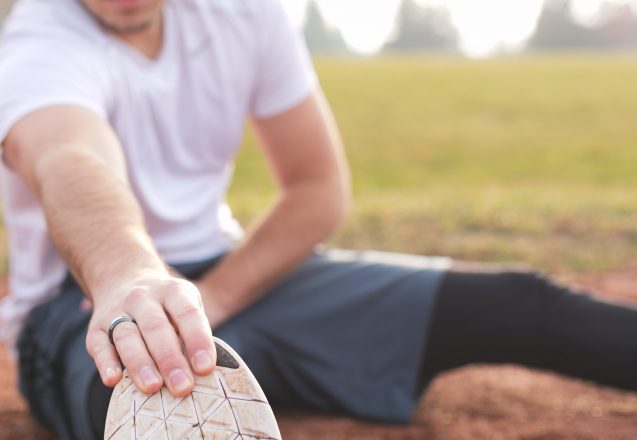
Stretching For Better Balance Enhancing Stability And Coordination
 Many people at V.I.P. 1 to 1 Fitness Center in Fort Lee, NJ, use stretching as a warm-up or cool-down exercise. When done at the end of a workout, it increases flexibility to prevent injuries that can occur when muscles are tight. People often overlook stretching to improve balance, stability, and coordination. These abilities are often overlooked but play a huge role in safety. If your coordination, stability, or balance are lacking, walking isn’t easy and can cause an injury. Even walking on a flat surface without falling can be difficult.
Balance is vital for independent living.
You don’t have to hike, ski, or try to stand on a moving train to appreciate how beneficial good balance is. You use it when you climb stairs or step on a cat toy or sock lying on the floor. Any uneven surface could cause a fall if your balance is askew. Without good balance, even walking on level ground can cause a fall. Doing calf, hip, quad, and hamstring stretches can help with balance. They keep your muscles loose so your joints align correctly. One example of good balance is standing on one foot without falling.
Stretching helps you maintain stability.
Stability and balance go hand in hand, but they’re not the same. Balance is about your weight evenly distributed to avoid falling. Stability is about the ability to stay erected and grounded against external forces. If someone pushes another lightly, a person with stability issues might fall, while one who is stable will remain standing. Stretches that work the core, hips, and knees contribute to stability.
Coordination synchronizes muscles to make movement efficient.
Consider all the different muscles you use when you take one step, yet you probably do it seamlessly without thinking. That’s because your muscles work together and perform simple actions with ease. Compare that to the first time you tried to ski or do a new dance move. You probably looked and felt awkward. Without coordination, it doesn’t matter how balanced or stable your body is: each movement is challenging and takes extra thought. In addition to the stretches already mentioned, doing upper body stretches, such as rolling a ball up a wall as your body remains in the same spot, is another stretch to add.
- Do dynamic stretching before you exercise to warm muscles and static stretching to increase the range of motion near the end when the muscles are warm.
- Stretching improves the range of motion and can improve your posture. If your posture is perfect, it helps your balance and stability.
- Stretching helps strengthen muscles and improves the range of motion. The stronger and more flexible the muscles are, particularly in the lower body, the more improved balance and stability are.
- Standing on one leg challenges balance. Start with your feet hip-width apart. Lift one foot and hold for 10-30 seconds. Lower it and do the other leg. You can make it harder by grasping the shin of the lifted leg and pulling it toward you or closing your eyes when doing the stretch.
For more information, contact us today at VIP Fitness Center
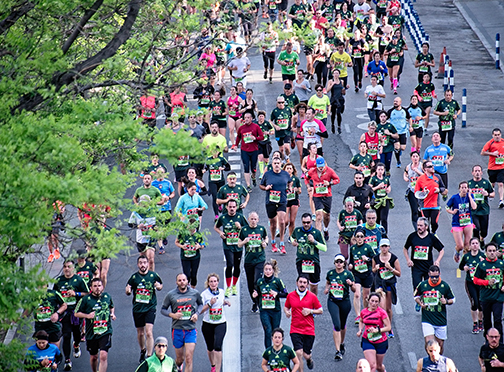
How To Plan And Prepare For A Marathon Or Half-Marathon
 If you’ve never run competitively before and want to plan and prepare for a marathon (26.2 miles) or half-marathon (13.1 miles), you need to start a training plan and stick with it at least six up to fifteen weeks before you expect to compete. Start by entering shorter competitions like the 5K (3.1 miles) or 10K (6.2 miles). Entering shorter races makes you more aware of your skills and how competition can alter the way you run when you’re running solo.
Take your training seriously.
You need a minimum of eight to ten miles of running each week for two months before you start marathon training. During training, you won’t run every day. Your body needs rest days and other types of exercise, or you’ll be prone to overuse injuries. Many runners use two non-consecutive days for rest or mild exercise like swimming. Two non-consecutive days are often devoted to running a shorter distance at a moderate pace, faster than you’d use for a marathon or half-marathon. Two non-consecutive days are for cross-training to build strength and muscle endurance. One day is for the marathon or half-marathon distance you do at a leisurely pace or walk/run training.
Make sure you have the best footwear.
You don’t have to have the latest running suit or look like an Olympic champion when you run. You do need the best shoes that you can afford. Footwear is the most vital part of your running gear. If you have a specialty shop near you that sells footwear for runners, seek their advice. A good fit is more important than finding the best shoes for distance running. Sweat-wicking socks are also a must.
Cross training should complement running and make you better.
Not all cross-training is as beneficial for runners as others are. Each brings something to the table. Cross-training should reduce the risk of injury, build strength, improve muscular and cardio endurance, and provide a mental break. Working with weights may build muscular endurance but won’t benefit mobility like yoga and stretching. Choosing the type of cross-training helps you overcome your weaknesses. Cross-training also provides fitness in all areas, not just endurance, and corrects imbalances caused by running.
- Buy a second pair of running shoes when you find the perfect ones. Train in them for about 50 miles and save them for the race day.
- Some people use one day of running to do speed training. It may be interval training, Fartlek training, or tempo running. Fartlek training is often the easiest. You alternate your speed throughout the run, hitting peak speeds periodically.
- Don’t try to conquer the entire distance at peak speed. Learn to pace yourself to develop your stride and running form. You can’t cram for this test. You have to build gradually.
- Eat a balanced diet. Choose the foods you’ll eat the day before the race and the day of the race by consuming them during practice days to ensure they agree with your body. Don’t try new energy bars or products on race day.
For more information, contact us today at VIP Fitness Center

How To Overcome Gym Anxiety
 Do you get anxious when you think of starting a formal exercise program? Some people in Fort Lee, NJ, do. They have gym anxiety. It’s scary and often puts an end to any thought of exercise. There are ways to overcome it and get back into shape. You need to identify why you’re feeling uncomfortable and have anxiety. Is it because you’re overweight? Do you worry you can’t do all the exercises? Are you concerned others will judge you?
Maybe you’re concerned for your safety or health after an illness or injury.
That’s a logical reason to feel anxious. You don’t want to exacerbate an illness or reinjure yourself. Check with your healthcare professional first to ensure it’s safe for you to exercise. Before you start exercising, talk to a personal trainer. Explain your situation and your reluctance so the trainer understands the entire picture. The trainer can create a workout addressing your condition and concerns, often modifying exercises to fit your needs.
If you’re uncomfortable with your body or abilities, put that worry to rest.
You’ll see people of all sizes, shapes, and fitness levels at the gym. Some may look like Greek gods or goddesses with beautifully proportioned bodies and super strength. Most will not be that fit. You’ll be surprised at how little attention you garner from other people exercising. They’re more worried about doing an exercise correctly, getting in one more set, or hoping they can finish before collapsing. If you’re still not convinced, seek the services of a personal trainer for private sessions.
Get a workout buddy.
When there are two of you, it’s easier to enter a new venture. You won’t be as intimidated and have more fun when you have a workout buddy. If your friend is as new to the gym as you, you can change it to an adventure where you both are learning something new. If your friend is more experienced, you can learn from them. It takes a lot of stress from the process. You can also join a group fitness class for beginners. Some will be fitter, but not by much. It’s far less intimidating when you’re not alone.
- Remember, everyone had to start somewhere. Some people may have started working out as athletes in school. Others may have started a year or a month ago. They probably felt like you during the first session but still finished.
- Do an investigation first. Get all the information before you sign the dotted line to join a gym. Ask for a tour. Find the location of the changing rooms and other facilities. Go to their website and get online reviews.
- Leave your ego at the door. You don’t have to be the best at everything. Focus more on form rather than repetitions or weight lifted. Take it slowly at first until you do each exercise correctly.
- If gym crowds bother you, find the best time to workout when it’s less crowded. If you face disabling anxiety, permit yourself to leave after doing one exercise if it’s too uncomfortable. When you don’t feel trapped, staying is not as painful.
For more information, contact us today at VIP Fitness Center

Breathwork Can Help Your Health And Fitness
 Breathwork has two different functions for health and fitness. One type of breathwork can help you relax your body and your mind. The other breathwork is part of improving your athleticism and form. Using proper breathing techniques during exercise improves results. Focusing on breathwork during daily life can improve your mood and overall health.
If you’re running, it can make the run more comfortable and boost your performance.
If you’re doing other exercises, taking a breath at the appropriate time and releasing it when you’re doing a different movement affects the outcome of the exercise, making it more or less effective. It increases bodily control and keeps you focused when you work out. Breath control during exercise causes your muscles to produce less carbon dioxide. It boosts blood circulation and keeps your heart healthier. Generally, you should breathe in deeply through your nose, expanding your belly, when you’re doing a movement that lengthens the muscle. Breathe out when you’re contracting a muscle.
Controlled breathing when not exercising provides mental and physical benefits.
Breathing should be natural. Doing it correctly should come naturally. Sometimes, things can change that. Breathing is automatic and part of the autonomic nervous system, like other involuntary bodily functions. Chronic stress can affect how you breathe. It can make breathing fast and shallow. That limits the oxygen you breathe and can cause an increased heart rate and other changes. Your posture and whether you breathe in through your nose makes breathing more effective.
Whether doing breathwork for exercise or relaxation, you’ll reap benefits.
Stress can trigger a rapid heart rate and shallow breathing. It can trigger anxiety. Breathwork can help you overcome it. It boosts relaxation and simultaneously alertness, decreasing anger, depression, and anxiety. You’ll improve your sleep cycle and feel more at ease. Learning breathing techniques for exercise can make your workout more comfortable and allow you to continue longer.
- Two examples of proper breath control for exercise are push-ups and squats. When you’re lowering your body in a push-up, inhale. Right before you raise your body, start exhaling. The same is true for a squat.
- One breath control relaxation technique is to slow breathing by inhaling for four seconds, holding your breath for four seconds, exhaling for four seconds, and holding for four seconds again. Breathe in through the nose.
- If you have problems with a rapid heartbeat from panic attacks, use the 4-7-8 technique to stimulate the parasympathetic nervous system. Breathe in through the nose for four seconds, hold for seven seconds, and exhale for eight seconds.
- Practice breathing techniques daily to help keep you relaxed. You’ll have the technique conquered when you’re under stress and need it the most. Always check with your healthcare professional first.
For more information, contact us today at VIP Fitness Center

Why Nutrition Is So Important
 You can’t out-exercise a bad diet. Whether your fitness goal is building muscles, boosting energy, or losing weight, your nutrition plays a vital role. It provides the building blocks for everything from hormones that burn fat and help build muscles. A healthy diet is lower in calories and higher in nutrients necessary for every cell in your body to function. If you consume too many empty, high-calorie foods, you could exercise all day and not lose weight.
Obesity is the leading cause of preventable illness and preventable deaths.
The average American weighs far more than they did in the 1950s. Over the last 60 years, obesity has tripled. It drains the healthcare system of valuable dollars and destroys the quality of life of those who experience it. Part of the problem comes from inactivity. People use labor-saving devices and spend time in front of a screen today rather than in activities that burn calories. The real culprit is nutrition. There is an avalanche of new snack food and fast foods. People aren’t eating as healthy, and they’re eating more.
Good nutrition helps you stay healthy mentally and physically.
A poor diet negatively affects your body. A diet high in sugar does more than add pounds. It makes the immune system less effective and causes chronic inflammation. Chronic inflammation leads to problems with auto-immune diseases, heart disease, and diabetes. Your diet also affects your mental health. It impacts your gut microbiome, which affects your mental health.
You’ll save money and time at the doctor by eating healthier.
Being sick or having a chronic disease saps more than your energy. It drains your pocketbook, too. The US Department of Agriculture found that eating a healthier diet could prevent many conditions and save a minimum of $71 billion. That doesn’t include the lost time from work or the productive time you lose sitting in the doctor’s office. The increased incidence of illness continues to make healthcare costs rise.
Increase your energy with a healthy diet.
Your body needs the right energy to function its best. If you’re living on sugary treats and simple carbohydrates, it’s like putting sugar in the gas tank of your car. It can clog up the works and cause damage. Every nutrient is necessary for some function. Healthy fats carry fat soluble vitamins, are vital to the production of hormones, and help burn fat. Protein helps build muscles and carbs provide energy. They all contain other nutrients, such as vitamins and phytochemicals.
- A diet high in sugar and simple carbs gives you quick energy that drops as dramatically as it rises, leaving you exhausted.
- A study in a violent prison in England changed the food by increasing prison food with omega-3 fatty acids and reducing those with omega-6. It cut violent occurrences dramatically.
- You’ll feel younger when you eat healthier, but you’ll also look younger, too. Eating the right foods can slow the signs of aging and keep your skin firm and elastic.
- If you participate in sports, you’ll do better when you eat healthier and time your meals and snacks. Eating a pre and post-workout snack improves your session and jump-starts the recovery process.
For more information, contact us today at VIP Fitness Center
- « Previous Page
- 1
- 2
- 3
- 4
- 5
- …
- 18
- Next Page »