
Does Skipping a Meal Damage Your Metabolism? What to Consider
A missed meal is not evidence that you have permanently damaged your metabolism. The more useful questions are whether your overall intake is adequate, how the eating pattern affects you, and whether it fits your health and medication needs.
Meal Timing Is Not the Whole Picture
Metabolism refers to the body’s chemical processes; daily energy expenditure is one related measure, not the complete definition. Do not reduce the subject to the claim that eating frequently keeps a calorie-burning switch turned on.
Consider your overall diet, exercise, sleep, and medical context. Preserving muscle is a useful training goal, but it does not guarantee that energy needs remain unchanged during weight loss.
Distinguish an Accidental Missed Meal From an Eating Strategy
Missing lunch because a meeting ran late is different from a planned eating window. Neither situation should be evaluated only by the clock. Ask whether you can eat adequately, take medicines as directed, and function comfortably.
For the research context, NIDDK discusses intermittent fasting and its limitations. It is not a requirement for weight management or suitable for every person.
Watch for a Pattern That Is Not Working
Repeatedly arriving at workouts weak, dizzy, or unable to concentrate should prompt a review, not a claim that you simply need more willpower. Those symptoms can have different causes. Seek clinical guidance when they are persistent, severe, or unexplained.
If skipping meals leads to distress or a cycle of restriction and loss of control, ask for qualified support rather than tightening the rules further.
Medical Circumstances Can Change the Advice
People taking glucose-lowering medication, those who are pregnant or breastfeeding, children and adolescents, and people with an eating-disorder history should not begin fasting from a generic fitness article. Ask the appropriate healthcare professional before changing meal timing around medication.
Make a Practical Workday Plan
Identify a regular opportunity for a meal and a suitable backup when the day changes. Our office-snack guide includes storage-aware options. You do not need to eat every two or three hours simply because a marketing claim says so.
For exercise planning, explore private personal training and book a Free Body Diagnostic at VIP Fitness Center, 1620 Lemoine Ave, Suite 2, Fort Lee — upstairs. Individual nutrition and medical treatment require appropriate professional advice.
Exercise for Stress and Mental Health: A Supportive, Realistic Approach
Exercise can support mental health, but it is not a guaranteed mood reset or a substitute for appropriate treatment. Choose an activity you can tolerate and repeat without making it another source of pressure.
What the Research Supports
A 2024 review of randomized depression trials found benefits from several exercise approaches, including walking or jogging and strength training. Confidence in many comparisons was limited by study quality. The findings do not establish that one gym program will treat every person’s symptoms.
Avoid explanations that reduce stress to a toxin you must sweat out or assume every workout lowers cortisol. You do not need a hormone-based story to discuss a manageable activity routine.
Start With a Small, Specific Option
Consider a short suitable walk, a familiar exercise session, or another activity you prefer. Decide when and where it could fit. The first step might be asking about a studio visit rather than committing to a demanding schedule.
Afterward, note how the activity felt. A session that leaves you more distressed or physically unwell is information to discuss, not proof that you failed to exercise correctly.
Let Your Trainer Know What Helps
You might prefer clear instructions, a quieter setting, or less emphasis on appearance. Share relevant preferences and restrictions. A coach should respect those needs without promising therapy or asking for unnecessary private details.
Keep Other Support in Place
The NIMH describes self-care as part of supporting mental health. Continue prescribed treatment and seek professional help for persistent or worsening symptoms. Do not change medication because a workout temporarily helped or did not help.
If you are thinking about suicide or harming yourself, seek immediate support: in the United States, call or text 988; call 911 for a life-threatening emergency.
Make the Goal Sustainable Participation
Agree on a realistic plan rather than a fixed number of sessions advertised as a treatment dose. Review attendance and how you experience the activity. Physical progress and emotional well-being are related topics, but one does not guarantee the other.
VIP Fitness Center offers 30-minute private exercise coaching, not mental-health treatment. Book a Free Body Diagnostic at 1620 Lemoine Ave, Suite 2, Fort Lee — upstairs—to discuss fitness goals and preferences without a purchase obligation.
Staying Consistent With Fitness When Motivation Fades
When motivation drops, investigate what is making the next step difficult instead of assuming you need a more forceful pep talk. A practical obstacle, an unsuitable routine, and a health concern require different responses.
Name the Obstacle
Write one sentence describing what happened the last time you missed a planned workout. “My meeting ended after the appointment” is more useful than “I am bad at consistency.” Be specific enough that a solution can be considered.
Make the Next Commitment Realistic
Choose a session you can reasonably attend and complete. Confirm the time, travel plan, and equipment or clothing needed. Review our two-day versus three-day guide rather than treating three days as the only acceptable starting schedule.
A smaller commitment is not automatically best either; it should still fit your goals. The point is to select an appropriate plan, not lower expectations indefinitely.
Agree on Useful Accountability
Ask what type of support you need: help scheduling, exercise instruction, or a regular review of your training record. A friend or coach can be helpful, but no accountability system guarantees attendance or results.
Clarify how you prefer to be contacted and what you want discussed. Support should not rely on guilt, public comparisons, or pressure to train when unwell.
Have a Return Plan
After a disrupted week, identify the next appropriate appointment and tell your trainer about relevant changes. Do not double the workout as punishment or assume you must start every skill from zero.
Our weekly planning guide explains how to build a practical backup. Booking and cancellation terms still apply.
Track Something You Can Use
Record completed sessions, one exercise observation, and any recurring barrier. A scale reading alone does not explain whether the routine is sustainable. Do not infer body recomposition simply because weight remains stable.
The CDC’s habit guidance emphasizes specific, achievable goals. A review date helps assess the plan; it is not a deadline for a guaranteed transformation.
Know When Motivation Is Not the Main Issue
Persistent fatigue, pain, or significant emotional distress deserves appropriate professional attention. These are not character flaws to overcome through harder workouts.
VIP Fitness Center provides 30-minute private training in Fort Lee. Book a Free Body Diagnostic at 1620 Lemoine Ave, Suite 2 — upstairs—to discuss a realistic next step without a purchase obligation.
Strength Training for Long-Term Fat Loss: Its Role and Limits
Strength training belongs in many weight-management plans because it develops strength and can support body composition. It is not a guarantee against weight regain, a hormone-balancing treatment, or the only way to lose fat. Consider what it adds to your overall routine rather than treating cardio and lifting as competitors.
What Resistance Training Contributes
A systematic review of resistance-training studies in healthy adults found improvements in body-fat measures compared with no-exercise controls. The results describe group averages, not a prediction that any particular number of appointments will produce a specific change.
Strength and muscle-related goals are also valuable when the scale changes little. Choose appropriate exercises and record what you can do instead of judging a session solely by its estimated calorie burn.
Keep Metabolism Claims in Perspective
Adding muscle does not make food intake irrelevant or guarantee that your energy needs never decline during weight loss. A workout’s afterburn is not a sound basis for promising effortless long-term fat loss.
Likewise, exercise does not turn fat tissue into muscle. Those are different tissues, and a body-composition change needs appropriate measurement. Our muscle-preservation guide explains how to review training and nutrition together.
Choose Frequency Around a Realistic Week
There is no universal rule that three or four strength sessions are ideal for every person trying to lose fat. Compare your experience, goals, other activity, and recovery with the commitment involved. Our two-day versus three-day guide offers practical examples.
A coach may use repeatable exercises and a manageable progression. The next step could be better control or another repetition rather than automatically adding a training day.
Plan for Life After an Initial Goal
Ask which parts of the routine remain useful when your schedule or weight goal changes. Keep an appropriate amount of activity, review food habits with suitable support, and reassess obstacles. Maintenance is an ongoing process, not a permanent effect purchased through one package.
The NIDDK describes eating patterns and activity together in weight management. Medical conditions and medications may require additional care.
Discuss Your Training Options
VIP Fitness Center offers 30-minute private personal training in Fort Lee. Book a Free Body Diagnostic at 1620 Lemoine Ave, Suite 2 — upstairs—to discuss goals and scheduling. The complimentary consultation is not medical treatment, and individual results vary.

Better Balance: Why Strength and Practice Matter Alongside Flexibility

Balance is not simply a matter of having loose muscles or perfect posture. Flexibility work may address a particular movement limitation, but it does not replace strength, balance practice, or assessment of a new balance problem.
Start With the Task That Feels Difficult
Is the problem getting out of a chair, stepping onto a curb, turning, or feeling dizzy? These observations help determine the next conversation. Recurrent falls, new unsteadiness, or dizziness should be discussed with a healthcare professional rather than managed with an online stretch alone.
Tell your trainer about relevant restrictions and any advice from your care team. A fitness screen is not a diagnosis of why balance changed.
Make the Practice Environment Safe
Use stable support and clear floor space. A kitchen counter or solid chair may be appropriate; a rolling chair or an unstable surface is not a useful starting challenge. Arrange supervision when needed.
MedlinePlus describes supported strengthening and balance exercises. The level should fit the person. Do not close your eyes or stand unsupported on one leg simply to make an exercise harder when you are already at risk of falling.
Combine Appropriate Strength and Balance Tasks
A professional might select a supported sit-to-stand, heel raise, or stepping task. These are examples, not a complete prescription. The amount of hand support, movement range, repetitions, and rest should be chosen individually.
Compare the same task over time. Needing less assistance can be useful information, but do not remove support before you can do so safely.
Use Stretching for a Specific Reason
Ask which range of motion matters for your chosen activity. A suitable calf stretch, for example, addresses a different objective from practicing a controlled step. Stretching alone should not be described as recentering every joint or guaranteeing fall prevention.
Our stretching and mobility guide explains those distinctions. Pain or unusual symptoms are reasons to reconsider the movement, not force a deeper position.
Include the Wider Picture
Ask your healthcare team about other relevant factors, such as vision, footwear, medications, and home hazards. An exercise routine should complement that review rather than replace it.
For appropriate fitness coaching, explore 30-minute private training and book a Free Body Diagnostic at VIP Fitness Center, 1620 Lemoine Ave, Suite 2, Fort Lee — upstairs.

Preparing for a First Half-Marathon or Marathon: Start With Your Base

A first half-marathon or marathon needs preparation matched to your current running history. A generic six-week promise is not an appropriate starting point for someone new to running. Choose the race and plan together rather than letting an entry date dictate an unsafe increase.
Compare the First Week With What You Already Do
Review your recent weekly running, longest comfortable outing, consistency, and injury history. The first week of a plan should not require a sudden leap from your current activity.
For context, the Boston Athletic Association’s Level One marathon plan already assumes substantial weekly running. A plan labeled beginner may mean a first marathon for an established runner—not a first exercise program.
Choose a Suitable Timeline
A running coach can help assess whether a shorter event or a later race is a better starting target. Finishing a half-marathon does not automatically establish readiness for twice the distance.
Do not cram missed mileage into the following week or assume that one fixed percentage increase prevents injury. Adjustments should consider the whole workload and how you respond.
Understand the Purpose of Each Session
A plan may include easier runs, longer outings, rest, and selected strength or cross-training. It should not require completing the full race distance every week. Hard sessions and long runs have recovery costs that must fit the rest of your life.
Discuss how strength coaching can complement running without exhausting you before key sessions. General strength training is not a substitute for a distance-running plan.
Practice Equipment, Pacing, and Fuel
Use shoes and clothing that fit comfortably and test them during training. You do not need to buy the most expensive option or follow an arbitrary mileage rule for a second pair.
Practice the food and fluid approach appropriate for your expected event duration. Race day is a poor time to experiment with unfamiliar products. The MedlinePlus sports-nutrition overview explains why endurance demands differ from ordinary short workouts.
Have a Reason to Change the Plan
Persistent pain, illness, declining function, or other concerning symptoms deserve assessment. A paid entry fee is not a reason to ignore medical advice. Check event conditions and rules directly before participating.
VIP Fitness Center offers private strength coaching in Fort Lee. Book a Free Body Diagnostic at 1620 Lemoine Ave, Suite 2 — upstairs—to discuss the fitness component of your goals. It is not medical clearance or a guarantee of race readiness.

Nervous About Starting at a Gym? Plan a More Comfortable First Visit

You do not need to be fit, confident, or familiar with gym equipment before asking about training. A first visit can be a conversation about what would make the experience manageable rather than a test of your abilities.
Identify What You Want to Know
Concerns may involve privacy, unfamiliar exercises, physical limitations, cost, or not knowing where to go. Write down the specific questions. Avoid assuming that anxiety must be about body size or that everyone will find the same reassurance helpful.
Reduce Uncertainty Before Arriving
Ask what the visit includes, how long it takes, what to wear, and whether you will exercise. At VIP Fitness Center, the Free Body Diagnostic is a complimentary 30-minute consultation with an InBody assessment and discussion of goals. It is separate from ongoing workouts.
Our private-training studio is upstairs at 1620 Lemoine Ave, Suite 2, Fort Lee. Call 201-947-2003 for entrance, parking, or access questions rather than relying on an assumed route through the building.
State Your Preferences
You can ask for clear explanations, time to learn a movement, or a discussion before trying unfamiliar equipment. Tell the trainer about relevant medical restrictions. Ask how body measurements are used and discuss any concerns before participating.
Do not feel required to agree to photos or public progress stories as part of training. A useful coaching relationship respects those preferences.
Choose a Small First Task
A reasonable starting objective could be learning one equipment setup or understanding how appointments work. You do not need to match another client’s resistance or appearance.
Our coaching comparison can help you decide whether private instruction addresses the support you need. It is not the only valid way to exercise.
When More Support Is Appropriate
Persistent or disabling anxiety deserves professional mental-health support, not an instruction to leave your ego at the door. The NIMH explains when self-care should be accompanied by professional help. A trainer does not diagnose or treat an anxiety disorder.
Book a Free Body Diagnostic to discuss 30-minute private training with no purchase obligation. The aim is an informed starting decision, not a promise that anxiety will disappear.

Breathing for Exercise and Relaxation: Keep the Goals Separate

Breathing practice for relaxation and breathing during a demanding lift serve different purposes. Neither requires a claim that you are detoxifying the body, producing less carbon dioxide, or curing anxiety.
A Gentle Relaxation Practice
Choose a comfortable supported position and notice your ordinary breathing. You may experiment with a slower, comfortable rhythm without forcing unusually deep breaths or long holds. Stop if you feel dizzy, distressed, or unwell.
NCCIH reviews relaxation techniques, including breathing exercises, while noting that adverse experiences and limitations exist. A particular counting pattern is not a guaranteed treatment for panic attacks or a rapid heartbeat.
Do Not Assume Symptoms Are Just Stress
New chest pain, significant breathing difficulty, fainting, or a concerning heartbeat needs appropriate medical attention. Do not repeatedly use a breathing exercise to postpone evaluation of symptoms you cannot explain.
People with relevant respiratory, cardiovascular, or mental-health conditions should ask about suitable techniques. Relaxation practice complements care; it does not replace it.
Breathing During Strength Exercises
For an introductory exercise, a coach may use a simple cue to exhale during the effort and inhale during the easier phase. The cue should fit the movement and your circumstances rather than become a rigid rule based only on whether a muscle is shortening.
Ask for guidance about bracing and breathing rather than copying an advanced lifter’s prolonged breath hold. Medical restrictions may change what is appropriate.
Breathing During Aerobic Activity
You do not have to force nasal-only breathing at every intensity. Use breathing and effort as information about how demanding the activity is. The CDC’s talk test is a practical guide to relative aerobic intensity, not a test that rules out a heart or lung problem.
Practice Without Chasing a Dramatic Effect
Note whether a cue makes a familiar activity more comfortable or easier to coordinate. If it does not, ask for another approach. Feeling calm after a session is worthwhile, but it does not establish a hormone change or treatment effect.
Explore 30-minute private coaching at VIP Fitness Center in Fort Lee. Book a Free Body Diagnostic at 1620 Lemoine Ave, Suite 2 — upstairs—to discuss your fitness starting point.

Why Nutrition Matters for Fitness: Start With Adequate, Practical Meals

A nutritious eating pattern supplies energy and nutrients for your needs. It is not necessarily the lowest-calorie diet, and it does not require treating foods or bodies as good or bad. Fitness goals, preferences, budget, and medical circumstances all matter.
Define the Problem Before Changing the Diet
Are you struggling to prepare meals, arriving at training hungry, trying to manage a diagnosed condition, or unsure about protein? These questions call for different help. Do not assume every fitness client needs to lose weight.
The NIDDK nutrition resources distinguish general eating guidance from nutrition for particular conditions. Medical nutrition treatment requires the appropriate professional.
Build Meals From Foods You Can Access
A practical meal can combine a protein source, a grain or other carbohydrate food, vegetables or fruit, and suitable fats. Examples include rice with beans and vegetables, or fish with potatoes and a side salad. Adjust ingredients and portions to your needs.
Convenient foods can help: frozen vegetables, canned beans, or prepared ingredients may make a workable meal possible. A food’s convenience alone does not tell you its nutritional value.
Make Protein Advice Concrete
Our protein guide explains a general range, a worked calculation, and why individualized targets can differ. A supplement is not mandatory, and protein should not displace all other foods.
Consider Timing Without Mandatory Snacks
Notice whether your usual meals support a comfortable workout. A short training appointment and a long endurance event do not have identical needs. You do not automatically need a snack immediately before and after every session.
For a disrupted workday, our office-snack guide offers storage-aware options.
Keep Claims Realistic
No menu can guarantee younger-looking skin, prevent every disease, or determine your mood by itself. Avoid unsupported population statistics and explanations that blame health problems solely on food choices. Seek advice for persistent fatigue, unexplained weight changes, or difficulty eating.
VIP Fitness Center offers private exercise coaching in Fort Lee. Book a Free Body Diagnostic at 1620 Lemoine Ave, Suite 2 — upstairs—to discuss fitness goals. The consultation does not replace individualized medical nutrition care.

Improve Flexibility With a Specific, Comfortable Practice Plan
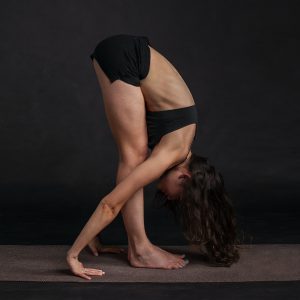
Choose flexibility work around a movement you want to use, not the deepest stretch you can tolerate. Greater range is not automatically better, and stretching does not guarantee protection from pulled muscles or back pain.
Choose One Relevant Movement
Identify a task such as reaching a shelf or adopting a suitable exercise position. Ask whether flexibility is actually the limiting factor. Strength, coordination, equipment setup, pain, or a medical condition may require a different approach.
A trainer can help organize practice but should not diagnose a nerve or joint problem from one movement.
Start Gently Rather Than Forcing a Morning Stretch
You do not need deep stretches immediately after waking. Begin with comfortable movement and select a position you can control. Avoid aggressive twisting or trying to force your elbows together behind you simply because an online list recommends it.
Stop for sharp pain, numbness, or other concerning symptoms. Follow clinical restrictions after injury or surgery.
Use the Method for Its Purpose
Dynamic movements can form part of a warm-up, while a comfortable static stretch can be used to practice a range. The choice depends on the activity and person, not a universal rule that one method is always wrong before exercise.
For evidence and limitations, see our stretching and mobility guide. Ordinary brief stretching should not be advertised as a guaranteed muscle-building method or a way to prevent all soreness.
Keep the Comparison Consistent
Practice the same suitable task under similar conditions and note comfort and control. Do not change the setup each time and then assume a larger movement proves progress.
For a person whose joints already move beyond the range they can control, additional stretching may not be the priority. Seek individualized advice rather than pursuing flexibility for its own sake.
Fit It Into a Broader Routine
Short, appropriate practice can fit around other activity. It does not replace strengthening or aerobic exercise. CDC adult activity guidance describes those broader components.
VIP Fitness Center provides 30-minute private coaching in Fort Lee. Book a Free Body Diagnostic at 1620 Lemoine Ave, Suite 2 — upstairs—to discuss a realistic training starting point. It is not an injury diagnosis or rehabilitation assessment.
- « Previous Page
- 1
- 2
- 3
- 4
- 5
- …
- 10
- Next Page »