
Fitness & Wellness

Returning to Exercise After Childbirth: An Individualized Starting Plan

Returning to Exercise After Childbirth: An Individualized Starting Plan

Returning to exercise after childbirth depends on recovery, the type of delivery, complications, symptoms, and your healthcare guidance. Six weeks is not automatic clearance for every exercise. There is no requirement to return to a previous body shape on a deadline.

Clarify What Is Appropriate Now

ACOG explains that some people can resume gentle activity soon after an uncomplicated vaginal birth, while cesarean delivery or complications require individualized advice. Starting a comfortable walk and returning to demanding lifting or running are different decisions.

Ask your obstetric care team about restrictions, healing, symptoms, and whether pelvic-health physical therapy would be useful. Share relevant guidance with your trainer.

Do Not Prescribe Kegels to Everyone

Pelvic-floor exercise may be helpful, but the appropriate approach depends on the problem. Pain, pressure, or leakage should not automatically be treated by squeezing harder or doing more repetitions.

The NIDDK advises individualized pelvic-floor guidance and specifically cautions against routinely practicing by stopping urine flow. The earlier suggestion to use toilet trips as exercise practice has been removed.

Choose a Manageable First Task

When appropriate, a short comfortable walk or a simple clinician-approved movement may be a starting point. A coach might later introduce supported strength exercises, but no universal sequence of planks, lunges, or bridges suits every postpartum person.

Discuss symptoms during and after the activity. A movement that increases pain, pelvic pressure, or other concerning symptoms needs review rather than a demand to push through.

Plan Around Caregiving and Recovery

Choose a realistic time window and account for feeding, sleep, travel, and support. A shorter session can be appropriate; postponing activity can also be appropriate. Do not use exhaustion as a test of commitment.

Recognize Warning Signs

The CDC’s urgent maternal warning signs include severe headache, chest pain, breathing trouble, fainting, and heavy bleeding. Seek immediate medical care for warning signs rather than assuming they are normal exercise effects.

Discuss Fitness Coaching When It Fits

VIP Fitness Center offers 30-minute private training in Fort Lee. Book a Free Body Diagnostic at 1620 Lemoine Ave, Suite 2 — upstairs—to discuss goals and relevant restrictions. The consultation is not postpartum medical clearance or pelvic-floor treatment.



Exercising With an Injury: Coordinate the Plan Before Modifying the Workout

Exercising With an Injury: Coordinate the Plan Before Modifying the Workout

An injury may allow some activity, but it does not follow that every uninjured body part can be trained without affecting the injury. Start with diagnosis, treatment instructions, and any rehabilitation restrictions before improvising a workout.

Ask for Clear Activity Guidance

Find out which movements, loads, positions, and environments are currently appropriate. Ask whether weight-bearing, gripping, transfers, or balance demands matter. A seated arm exercise can still require support from another injured area.

The NIAMS sports-injury resource explains that injuries differ in type, severity, and treatment. A general fitness article cannot establish your diagnosis or recovery timeline.

Bring the Guidance to Your Trainer

Share relevant instructions and clarify which work belongs to a physical therapist. A trainer can help with appropriate exercise within those limits; they should not override restrictions or promise to preserve all muscle during recovery.

If you are confined to bed, recently had surgery, or cannot stand without assistance, ask your care team about activity. Do not begin leg lifts, stretching, or repeated contractions simply because they appear gentle.

Choose an Alternative Only When It Is Actually Suitable

An approved alternative might involve a different exercise, lower workload, or a non-exercise period focused on recovery. Training the opposite limb is not universally appropriate, and any possible cross-education benefit does not replace injury protection.

Swimming is not automatically safe with a wound or cast. A cast cover is not medical permission to enter a pool; ask the treating professional about water exposure and transfers.

Monitor the Response

Agree on what symptoms to report and when to stop. New or worsening pain, marked swelling, loss of function, or other concerning changes require appropriate assessment. Do not use pain medication as proof that a workout is safe.

Our pain-reliever safety guide explains why medicines and exercise restrictions need separate consideration.

Keep Recovery Goals Realistic

Maintaining every previous fitness measure may not be possible or necessary during healing. Discuss the priorities with your care team rather than framing rest as laziness. Adequate nutrition and relevant support still matter.

VIP Fitness Center provides private exercise coaching, not injury diagnosis or rehabilitation treatment. A Free Body Diagnostic in Fort Lee can introduce training options but does not provide medical clearance.


The Mental Side of Fitness: Use Planning, Not Self-Blame

The Mental Side of Fitness: Use Planning, Not Self-Blame

Thoughts and expectations influence exercise decisions, but fitness is not simply a contest of mental toughness. Time, health, access, caregiving, preferences, and the suitability of the program can all affect participation.

Turn a Broad Goal Into a Practical Action

Choose a task you can carry out: arrange a consultation, learn an exercise setup, or protect an appropriate appointment. A large outcome can provide direction, but a fixed weekly weight-loss promise is not a reliable action plan.

For example, “prepare my training clothes before Tuesday’s session” is an action. “Lose the same amount every week without interruption” is an outcome you cannot fully control.

Separate a Barrier From a Judgment

When a workout is missed, write what happened without labeling yourself a failure. A meeting that repeatedly runs late calls for a schedule review. Pain or persistent fatigue may call for medical advice. Neither is solved by a slogan about winners.

Use Tracking as Information

A simple record can include attendance, exercises, and relevant observations. Food or body tracking is optional and may be inappropriate when it increases distress or disordered eating. Medical indicators should be interpreted with your healthcare professional.

The CDC’s practical habit guidance emphasizes achievable goals and recognizes factors beyond personal effort. A lack of progress is a reason to investigate, not proof that you did something morally wrong.

Choose Support That Fits

You may benefit from coaching, a clear calendar, or help making activities accessible. Ask specifically for the support you need. Accountability should respect privacy and health rather than pressure you to exercise through illness.

Our consistency guide focuses on returning when motivation fades.

Keep Mental-Health Care Separate From Motivation Advice

Persistent anxiety, depression, or significant distress deserves appropriate professional support. A trainer cannot diagnose those conditions or guarantee that discipline in the gym will resolve them.

VIP Fitness Center offers 30-minute private coaching. Book a Free Body Diagnostic at 1620 Lemoine Ave, Suite 2, Fort Lee — upstairs—to discuss goals and a realistic next step without a purchase obligation.


Pre-Workout Snacks: Choose Food That Fits the Session

Pre-Workout Snacks: Choose Food That Fits the Session

A pre-workout snack may be useful when it fills a gap between meals, but it is not required before every session. Consider the workout’s duration, your usual food intake, comfort, and any medical nutrition needs.

Start With Timing and Tolerance

A meal shortly before a session and a long interval since lunch call for different choices. Notice which foods feel comfortable rather than assuming every person needs the same carbohydrate-to-protein combination at the same time.

The MedlinePlus sports-nutrition overview explains that food needs depend on the activity. Advice for prolonged endurance exercise should not automatically be applied to an ordinary 30-minute appointment.

Try a Simple Sweet Option

Possibilities include fruit with yogurt, toast with an appropriate spread, or a portion of trail mix that fits your preferences. Check allergens and labels. A product sweetened with dates is not automatically better for your needs than one using another sweetener.

Higher cocoa content is not universally better, and dark chocolate should not be described as a guaranteed sustained-energy product.

Choose a Savory Option When Preferred

Crackers with cheese, a small sandwich, or a suitable portion of leftovers may fit. A salad jar can be useful for a meal, but a large high-fiber serving immediately before exercise may not feel comfortable for everyone.

Keep perishable ingredients cold. Our office-snack guide includes practical storage considerations.

Avoid Blood-Sugar Guarantees

Food can raise blood glucose without that response automatically indicating a problem. No snack guarantees that blood sugar will never rise or that energy will remain high throughout a workout. People managing diabetes should follow an individualized plan, including any medication-related precautions.

Persistent dizziness, unusual weakness, or other symptoms need appropriate assessment rather than repeatedly changing snacks.

After the Session

Consider the next regular meal and the overall day’s intake rather than assuming an immediate supplement is mandatory. Our protein guide explains targets and their limits.

VIP Fitness Center provides private personal training in Fort Lee. Book your Free Body Diagnostic at 1620 Lemoine Ave, Suite 2 — upstairs—to discuss fitness goals, not obtain an individualized medical diet.


HIIT and Depression: Why Harder Exercise Is Not Always the Right Choice

HIIT and Depression: Why Harder Exercise Is Not Always the Right Choice

Exercise can be part of depression care, but high-intensity interval training is not automatically the best option for every person. Preference, physical capacity, symptoms, access, and professional guidance matter.

What the Evidence Can Support

A review of randomized exercise trials for depression found benefits from several approaches, with important limitations in certainty and study quality. It does not establish that every person should choose all-out intervals or that exercise replaces prescribed medication.

The earlier article’s claims that HIIT repairs damaged brain cells, corrects a simple neurotransmitter imbalance, or treats schizophrenia and bipolar disorder have been removed. Those claims exceeded an appropriate fitness explanation.

Distinguish Intervals From Maximum Effort

Alternating faster and slower walking can be interval activity without necessarily being HIIT. True high-intensity work is demanding and may be unsuitable for a particular starting point. A label should not be used to pressure someone into the hardest possible effort.

Discuss whether steady, manageable activity would be more appropriate. For broader context, read our exercise and mental-health guide.

Choose an Activity You Can Tolerate

A short walk, suitable strength session, or other preferred activity may be a useful starting conversation. Record how it feels rather than promising that each additional session will produce a stronger and longer-lasting mood lift.

Stop for concerning physical symptoms. If exercise increases distress or becomes compulsive, discuss that with a qualified professional.

Coordinate With Treatment

Continue your healthcare plan and ask your clinician how activity can fit. A trainer can organize exercises and respect restrictions; they should not adjust medication or determine whether mental-health symptoms are harmless.

The NIMH describes self-care and professional support. In the United States, call or text 988 for a suicide or mental-health crisis, and call 911 for a life-threatening emergency.

Fitness Coaching, Not a Treatment Promise

VIP Fitness Center offers 30-minute private exercise coaching. A Free Body Diagnostic at 1620 Lemoine Ave, Suite 2, Fort Lee — upstairs—can introduce training options. It is not depression assessment or treatment.


A Movement Break for a Stressful Day: Make It Practical

A Movement Break for a Stressful Day: Make It Practical

A manageable movement break may be a useful part of a stressful day. It is not a guaranteed way to burn off cortisol, replace treatment, or recover more time than the activity takes. Choose an option that adds support rather than another obligation.

Pick a Break That Fits the Situation

You might take a short suitable walk, change position after sitting, or attend a planned exercise session. Decide what is realistic given your responsibilities and surroundings. A demanding workout is not required for a break to be worthwhile.

Do not assume everyone can leave work, access a safe route, or exercise at the same time. Adapt the plan to the actual constraints.

Choose What You Will Pay Attention To

During the activity, you may focus on the route, a comfortable pace, or an exercise cue. Afterward, note how you feel and whether the break was practical. You do not need to infer a change in hormones or gut microbes from that observation.

Our breathing guide discusses gentle relaxation practice and its limits.

Keep Health Claims Proportionate

The NIMH includes physical activity among self-care options. Exercise does not have only positive effects for every person, and it should not be advertised as universally better than medication or as a treatment for all cognitive conditions.

If symptoms are persistent, severe, or interfering with daily life, seek professional help rather than adding more exercise automatically.

Make the Next Session Appropriate

A stressful week may affect sleep, eating, and exercise tolerance. Tell your trainer about relevant changes. The next workout might be maintained, reduced, or postponed depending on the circumstances.

For a structured review, see our recovery checklist. Fatigue is not a character flaw to overcome with a harder circuit.

Choose Support, Not a Promise

VIP Fitness Center provides 30-minute private personal training in Fort Lee. Book a Free Body Diagnostic at 1620 Lemoine Ave, Suite 2 — upstairs—to discuss fitness goals and preferences. The consultation is complimentary and is not mental-health treatment.


Stick With a Fitness Goal: A Simple Weekly Review

Stick With a Fitness Goal: A Simple Weekly Review

A weekly review helps you compare your fitness plan with what actually happened and choose one useful adjustment. It should not turn food, weight, or missed appointments into a score of personal worth.

Review the Commitment You Made

List the sessions or activities you intended to complete. Include why each one mattered. A plan based only on losing the same amount of weight every week is not a dependable description of the actions you can take.

The CDC encourages realistic, specific goals. Weight change is not necessarily linear, and a general example should not promise two pounds every week for a fixed number of weeks.

Note What Happened Without Blame

Record completed activities and the reasons for changes. A recurring work conflict, an illness, and an exercise you dislike are different situations. Do not treat them all as failures of discipline.

If symptoms limited activity, seek appropriate guidance rather than making the next week more demanding by default.

Choose One Practical Adjustment

You might move an appointment, prepare a simple meal ingredient, or ask a trainer to explain an exercise. The adjustment should address the obstacle you identified.

You do not need to cook every meal for an entire week on one day. Choose a preparation method that fits your time and food-safety needs. Likewise, there is no requirement to chew food until liquid or avoid every enjoyable treat.

Decide What Support Would Help

A friend, calendar reminder, or coach may provide useful support. Ask for a specific form of accountability rather than assuming another person can guarantee follow-through.

Our weekly planning guide helps turn the review into a realistic schedule.

Keep the Outcome Measures Separate

Attendance, strength, body measurements, and medical markers answer different questions. Your healthcare team should interpret medical results. A stable scale reading does not establish either failure or hidden muscle gain.

For exercise support, explore 30-minute private training and book a Free Body Diagnostic at VIP Fitness Center, 1620 Lemoine Ave, Suite 2, Fort Lee — upstairs. No purchase obligation.


Fruit Juice or Whole Fruit? Compare the Portion and Purpose

Fruit juice is not nutritionally identical to whole fruit, but one glass should not be described as an automatic cause of diabetes or other diseases. Consider the product, portion, overall eating pattern, and any medical needs.

Read More Than the Picture on the Carton

Check the percentage of juice, serving size, total carbohydrate, added sugars, and fiber. A fruit drink and a 100% juice product can differ substantially. A 100% label does not mean unlimited portions or no naturally occurring sugar.

Juice processing can change the nutrient profile; it is inaccurate to say every juice contains all of the original fruit’s nutrients except fiber.

Whole Fruit Has a Different Eating Experience

Whole fruit generally retains more of its fiber and requires chewing. Juice can make it easier to consume the equivalent of several fruits quickly. The exact amounts vary, so avoid treating a generic glass as a fixed number of oranges or teaspoons of sugar.

A large observational study reported by its journal found different diabetes-risk associations for whole fruit and juice. Association is not proof that an individual serving causes or prevents disease.

A Smoothie Is Not Automatically a Complete Meal

Blending edible whole-fruit ingredients retains more of those ingredients than extracting only juice, but portion size and other additions still matter. Do not use a blender as a justification for a restrictive juice-only diet.

Our nutrition guide emphasizes adequate, varied meals rather than a single-food solution.

Pay Attention to Juice Safety

Choose pasteurized or otherwise appropriately treated products, especially for people at increased risk of foodborne illness. USDA guidance explains why fresh-squeezed juice can contain harmful organisms and why refrigeration matters.

Fresh, organic, and cold-pressed labels do not by themselves establish microbiological safety.

Make a Practical Choice

You might choose whole fruit with a meal and a portion of juice when you enjoy it, adjusting for your needs. People managing diabetes or another condition should follow individualized advice rather than a blanket ban or unlimited allowance.

VIP Fitness Center offers private exercise coaching in Fort Lee. A Free Body Diagnostic introduces fitness options; it does not prescribe a medical diet.


Exercise With Arthritis: Support Function Without Replacing Treatment

Exercise With Arthritis: Support Function Without Replacing Treatment

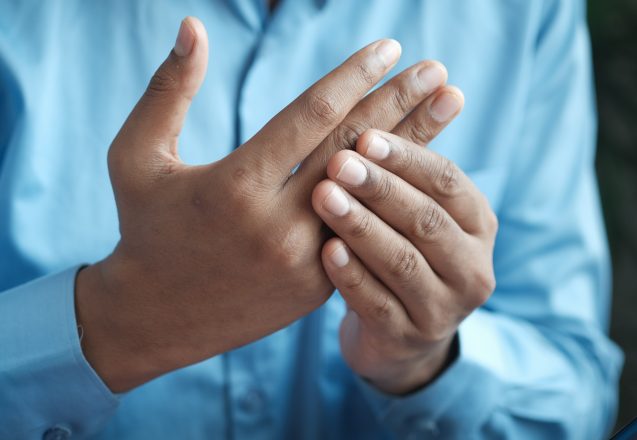
Appropriate physical activity can help people with arthritis manage symptoms and function, but it is not a side-effect-free replacement for prescribed treatment. The type of arthritis, affected joints, symptoms, and medical guidance should shape the plan.

Start With Your Healthcare Team

Ask which activities are suitable and whether a physical therapist should help you begin. Tell your trainer about relevant restrictions and recent changes. A generic instruction to keep moving is not enough when a joint is acutely painful, hot, or swollen.

The CDC recommends gradually building appropriate activity and contacting a healthcare professional for severe or persistent symptoms.

Choose a Tolerable Activity

Walking, cycling, water exercise, or suitable resistance work may fit different people. Low impact does not mean an activity places no load on a joint or cannot provoke symptoms.

A professional may adjust the range, support, equipment, or amount of work. Start at a level you can tolerate and review the response instead of assuming the same exercise suits every arthritis diagnosis.

Use a Practical Symptom Record

Note the activity, duration, and how symptoms changed during and afterward. This can help your care team evaluate the plan. It does not diagnose the cause of pain or prove that cartilage has regenerated.

New or worsening symptoms should prompt the appropriate assessment rather than an automatic increase in stretching or fluid intake.

Keep Nutrition Claims Realistic

A balanced eating pattern can be part of overall care, but this article does not prescribe a universal omega-6-to-omega-3 ratio or promise that cherries, chocolate, turmeric, or a particular meat will relieve arthritis.

Ask about supplements and interactions before using concentrated products. Do not reduce medication because a food is marketed as anti-inflammatory. Our medicine-and-exercise safety guide explains why treatment questions belong with a clinician or pharmacist.

Evaluate Function as Well as Pain

Discuss everyday tasks that matter to you and choose appropriate ways to review them. A more comfortable task is useful, but it does not mean every underlying condition has resolved.

VIP Fitness Center offers 30-minute private coaching in Fort Lee. Book a Free Body Diagnostic at 1620 Lemoine Ave, Suite 2 — upstairs—to discuss fitness options within your medical guidance. This is not arthritis diagnosis or treatment.


Muscle Burn and Soreness: Neither Is a Score for Workout Quality

Muscle Burn and Soreness: Neither Is a Score for Workout Quality

A burning sensation during a demanding set and soreness the following day are different experiences. Neither is required to prove that a workout was effective. Evaluate the task, workload, and response rather than trying to produce discomfort.

Do Not Blame Delayed Soreness on Stored Lactic Acid

Research comparing different running conditions showed that lactate changes did not explain delayed-onset soreness. The earlier explanation that acid builds up for days and must be flushed out has been removed.

Exercise uses interacting energy systems; labeling all movement as exclusively aerobic or anaerobic is an oversimplification. You do not need to chase a burn to train appropriately.

Ask What the Session Is Meant to Accomplish

A technique-focused session may feel different from a longer set or interval workout. Record resistance, repetitions, duration, and how demanding the work felt. These details are more useful than whether you were sore enough to feel accomplished.

Our progression guide explains purposeful adjustments without requiring a harder session every visit.

Respond to Symptoms, Not Slogans

Stop and seek appropriate advice for sharp pain, marked swelling, or a new loss of function. Do not interpret every pain as ordinary adaptation or use medication to push through it.

Severe muscle pain, unusual weakness, or tea- or cola-colored urine after exertion needs immediate medical evaluation. The MedlinePlus information on rhabdomyolysis explains why such symptoms should not be dismissed as a good workout.

Plan the Next Session Around Your Response

A coach may maintain, reduce, or change the workload. There is no fixed 48–72-hour rule that establishes healing from every injury or makes every person ready for another intense session.

Normal meals, suitable fluids, and appropriate rest can fit a recovery plan, but no snack or cool-down guarantees that soreness will be prevented.

Choose Useful Feedback

Tell your trainer what you felt, when it began, and how it affects movement. Avoid using the burn as your sole progress measure.

VIP Fitness Center offers 30-minute private training in Fort Lee. Book a Free Body Diagnostic at 1620 Lemoine Ave, Suite 2 — upstairs—to discuss fitness goals. A consultation does not diagnose exercise-related pain.