
Fitness & Wellness

Rest Days: Decide What Your Next Day of Activity Should Look Like

Rest Days: Decide What Your Next Day of Activity Should Look Like

A rest day is a planning choice, not proof that you are losing fitness. It also does not mean every sore muscle will heal within a fixed 48–72-hour window. Consider the work you completed, your symptoms, and other demands before deciding what comes next.

Separate Ordinary Training From an Injury

Feeling tired after activity and having an injured muscle or tendon are not the same situation. A generic recovery interval cannot establish when an injury is healed.

New pain, marked swelling, loss of function, or persistent symptoms warrants appropriate assessment. Our injury-and-exercise guide explains why medical restrictions come first.

Choose Between Rest and Easier Activity

A comfortable walk may fit one day; complete rest may fit another. Active recovery is not a requirement to add more work, and it should not become another demanding session under a gentler name.

Ask what the activity is intended to accomplish. A physically demanding job or another sport also counts as a demand on your week even when it is not recorded as a gym session.

Plan Frequency Around the Whole Program

There is no universal rule that everyone must strength-train exactly three days weekly. Exercise selection, workload, experience, and goals affect scheduling. Compare examples in our two-day versus three-day guide.

Different muscle-group schedules may distribute work, but they do not make sleep, nutrition, symptoms, or overall fatigue irrelevant.

Do Not Diagnose Overtraining From a List

Irritability, a higher resting heart rate, and fatigue can have several causes. They do not prove that you need exactly one rest day or that your hormones are out of balance.

Record the changes and discuss persistent or unexplained symptoms with a healthcare professional. Severe muscle pain, unusual weakness, or dark urine after exertion needs immediate medical attention rather than a routine rest-day experiment.

Use the Day to Support the Plan

Maintain appropriate meals and fluids, prepare for upcoming appointments, or simply allow time away from training. You do not need to earn rest by first becoming exhausted.

For a broader review, see our recovery checklist. VIP Fitness Center offers private coaching and a Free Body Diagnostic at 1620 Lemoine Ave, Suite 2, Fort Lee — upstairs. Fitness coaching does not diagnose injury or overtraining.


Rings at the Gym: Silicone Alternatives and the Limits of Protection

Rings at the Gym: Silicone Alternatives and the Limits of Protection

Consider removing rings before lifting or using equipment that could catch them. A silicone ring may reduce some risks compared with a metal ring, but it is not a guarantee against injury. The material is silicone, not silicon; the original article’s terminology has been corrected.

Understand the Hazard

A ring caught by a strong force can injure the finger and its tissues. The risk depends on the activity and equipment, not only whether the ring looks smooth or expensive.

Plan a secure storage place before training rather than balancing jewelry on a machine or leaving it loose where it may be lost. No ring is required to demonstrate commitment to a relationship while you exercise.

What Does the Silicone Research Show?

A 2021 cadaver-based biomechanics study found that the tested silicone rings failed at lower forces than metal rings, with no degloving injuries in that study’s silicone group. This supports potential risk reduction, not proof that every silicone product breaks safely in every real-world situation.

Fit, design, hand position, and the actual force can matter. Do not rely on an unverified promise that a particular ring will always break before injury.

Comfort Is a Separate Consideration

A ring can trap moisture or irritate skin even when it is flexible. Keep the area clean and dry, follow product instructions, and stop wearing an item that causes a reaction.

Water resistance does not automatically make every ring appropriate for every sport, activity, or medical setting. Follow the rules and safety guidance for that setting.

Do Not Improvise High-Risk Removal

A swollen finger with a stuck ring, especially with worsening pain, numbness, or discoloration, needs prompt professional help. Do not keep pulling forcefully or use tools that could cut the finger.

After a ring-related injury, seek appropriate medical assessment. The amount of visible skin damage may not describe every injured structure.

Keep Equipment Safety in the Routine

Before a session, check clothing and jewelry that could catch, confirm the equipment setup, and ask about anything unfamiliar. Safe preparation is useful whether you train independently or with a coach.

VIP Fitness Center offers 30-minute private training in Fort Lee. Book a Free Body Diagnostic at 1620 Lemoine Ave, Suite 2 — upstairs—to discuss fitness options. This article is not a product endorsement or a guarantee of equipment safety.


Water and Weight Management: Useful Hydration Without a Fat-Burning Promise

Water and Weight Management: Useful Hydration Without a Fat-Burning Promise

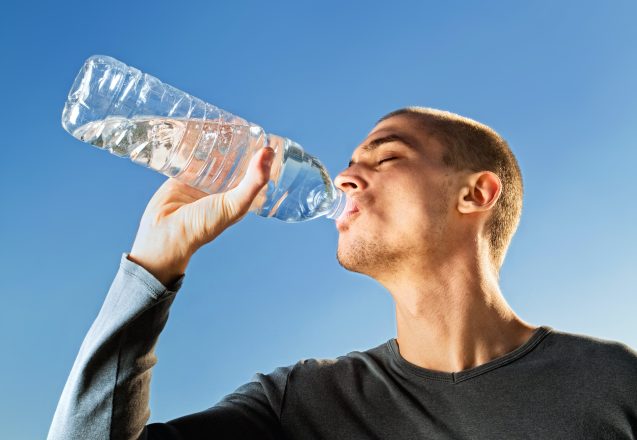
Water can be a practical beverage choice, especially when it replaces a drink that contributes calories you do not need. Drinking more water does not guarantee fat loss or a clinically meaningful metabolic boost.

Focus on the Substitution

Compare what you currently drink and what change would fit your needs. Replacing some sugar-sweetened drinks with water changes intake differently from adding water while everything else remains the same.

The CDC describes water as a calorie-free choice and notes that individual fluid needs vary. That is not a prescription to drink unlimited amounts.

Do Not Use Water to Override Hunger

Have suitable fluids available, but do not assume every desire for food is thirst. If a meal is overdue or intake has been inadequate, water is not a substitute for nourishment.

Persistent unusual thirst, frequent urination, or unexplained changes in appetite should be discussed with a healthcare professional rather than treated as a weight-management trick.

Keep Metabolism Numbers in Perspective

The earlier claim that a few ounces of water reliably increases calorie burning by thirty percent has been removed. It is not a sound basis for predicting weight loss.

Even when a study detects a short-term physiological change, that does not automatically establish a useful long-term outcome. Avoid choosing ice-cold drinks solely to chase a promised calorie burn.

Distinguish Fluid Weight From Body Fat

Sweating and dehydration can lower a scale reading without representing fat loss. Replacing fluids afterward is not evidence that you reversed a successful workout.

Our dehydration guide explains warning signs and the limits of home checks. Follow medical fluid restrictions when applicable.

Make Hydration Practical

Choose a beverage you tolerate, keep it accessible, and account for the activity and environment. Water-rich foods and other drinks also contribute to fluid intake. There is no fixed amount every adult must add before each meal.

For exercise planning, explore 30-minute private coaching and book a Free Body Diagnostic at VIP Fitness Center, 1620 Lemoine Ave, Suite 2, Fort Lee — upstairs. The consultation is not a medical fluid assessment or a weight-loss guarantee.


Enjoy Watermelon: Serving Ideas, Food Safety, and Realistic Benefits

Enjoy Watermelon: Serving Ideas, Food Safety, and Realistic Benefits

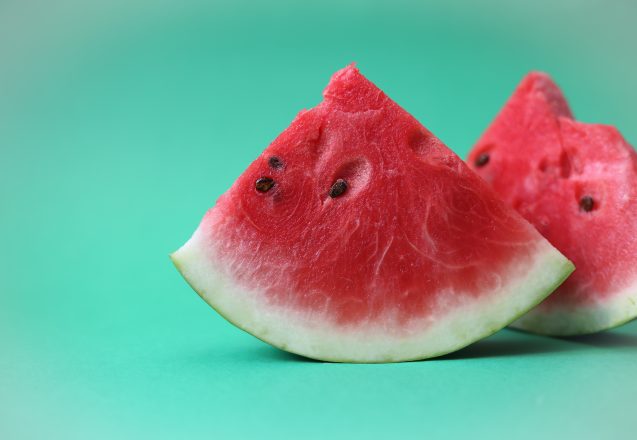
Watermelon can be an enjoyable fruit choice and contribute fluid to your diet. It is not a medicine for erectile dysfunction, dehydration, cardiovascular disease, or workout soreness.

Use It in Meals You Enjoy

Serve chilled pieces alongside a meal, combine them with other fruit, or add them to a salad with ingredients that fit your preferences. Check allergies and any medical nutrition needs when planning a dish.

A smoothie or juice changes the portion and eating experience. Do not assume a large drink has the same nutritional profile as a modest serving of fruit. Our whole-fruit and juice comparison explains the distinction.

Keep Ingredient Research Separate From Food Promises

Studies of isolated citrulline or other compounds do not automatically establish that an ordinary watermelon portion produces the same effect. A small exercise study is not a guarantee of reduced soreness for everyone.

The earlier comparison with Viagra and claims of guaranteed cholesterol or blood-pressure improvements have been removed. Do not replace prescribed care or seek treatment amounts by eating progressively larger servings.

Wash the Rind Before Cutting

Health Canada explains that bacteria on a melon rind can transfer to the flesh during cutting. Wash hands, use clean utensils and surfaces, and scrub the intact rind under cool running water before cutting.

Do not wash fruit with household cleaners. An organic label does not remove the need for safe handling.

Keep Cut Melon Cold

Refrigerate cut watermelon promptly. CDC food-safety guidance cautions against cut melon left out longer than two hours, or one hour above 90°F. Take particular care at picnics and in hot cars.

Choose age-appropriate pieces for children and follow current storage instructions. A sweet smell or good appearance cannot establish that unrefrigerated food is safe.

Fit Fruit Into the Larger Plan

Enjoy watermelon as food rather than a detox or a replacement for varied meals. Fluid needs during exercise still depend on the person and conditions; fruit alone is not a treatment for dehydration.

VIP Fitness Center provides private exercise coaching in Fort Lee. Book a Free Body Diagnostic at 1620 Lemoine Ave, Suite 2 — upstairs—to discuss fitness goals and an appropriate routine.


Cilantro in Your Meals: Flavor Without Super-Herb Treatment Claims

Cilantro in Your Meals: Flavor Without Super-Herb Treatment Claims

Cilantro can add flavor to a meal, but a serving of herbs is not a substitute for antibiotics, anxiety treatment, or medically supervised treatment of metal poisoning. Enjoy the food without turning laboratory findings into a treatment promise.

Use It Where You Like the Flavor

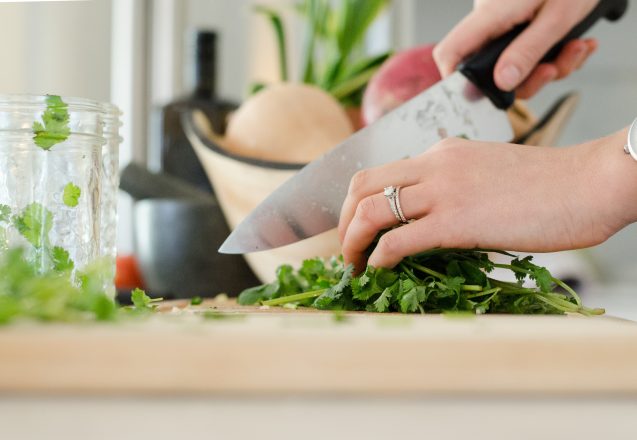
Add washed, chopped cilantro to a salsa, a bean dish, or a suitable soup near serving time. Try a small amount first and adjust to your preference. There is no reason to force yourself to eat an herb you dislike in pursuit of a supposed health cure.

Use a clean cutting surface and handle fresh herbs as produce. The FDA recommends appropriate produce washing; an ingredient’s natural antimicrobial compounds do not make contaminated food safe.

Do Not Confuse an Isolated Compound With a Food Portion

An experiment on a plant compound and bacteria does not establish that eating the plant treats an infection in people. The preparation, amount, and intended use are different questions.

The earlier comparisons with gentamicin and Valium have been removed. Cilantro should not be promoted as having equivalent effects without their risks, and it is not a way to dissolve cholesterol deposits or reliably control blood glucose.

Metal Exposure Needs Medical Evaluation

Do not use cilantro, a supplement, or a cleanse to treat suspected lead or other metal poisoning. The FDA warns that approved chelation medicines require professional supervision. A home detox claim can delay appropriate assessment and create additional risks.

For a possible poisoning or serious exposure, seek poison-control or emergency guidance appropriate to the situation rather than trying to increase an herb serving.

Keep Skin and Digestive Symptoms Separate

Persistent urinary symptoms, hives, significant rashes, or digestive problems should not be self-treated with cilantro water or an oil mixture. Ask a healthcare professional about the actual problem, especially if symptoms worsen.

Ordinary culinary use is different from ingesting concentrated extracts or applying ingredients to damaged skin. Natural does not guarantee that a product cannot cause a reaction.

Make the Meal Part of a Practical Routine

Use herbs to make suitable meals enjoyable. Our nutrition guide focuses on adequate, varied food rather than superfood claims.

For exercise support, explore private personal training and book a Free Body Diagnostic at VIP Fitness Center, 1620 Lemoine Ave, Suite 2, Fort Lee — upstairs. This is a fitness consultation, not medical diagnosis or detoxification.


Exercise During Pregnancy: Plan With Your Obstetric Care Team

Exercise During Pregnancy: Plan With Your Obstetric Care Team

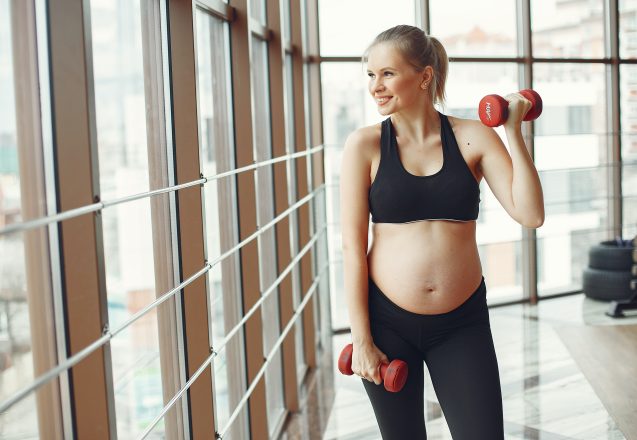
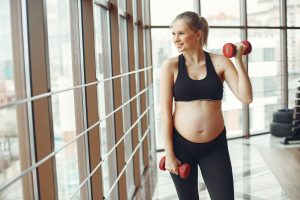
Many people with uncomplicated pregnancies can continue or begin appropriate exercise. Your pregnancy, symptoms, previous activity, and obstetric guidance determine what is suitable for you. A generic workout is not medical clearance.

Discuss the Plan Early

ACOG recommends discussing exercise during prenatal care. Ask about restrictions, appropriate effort, and changes that should prompt contact. Revisit the conversation when symptoms or circumstances change.

An experienced exerciser and someone starting after a long inactive period may need different plans. A previous uncomplicated pregnancy does not determine what is appropriate this time.

Choose Suitable Activities

Walking, stationary cycling, and swimming may be options when appropriate. A coach can also help select and modify suitable resistance exercises within your care team’s guidance. Squat depth or abdominal exercise should not be governed by a blanket rule detached from the person and movement.

ACOG advises avoiding activities with significant contact, abdominal-trauma, fall, or overheating risks, including contact sports and hot yoga. Do not interpret previous experience as making every sport suitable during pregnancy.

Adjust the Position and Workload

Changes in balance and comfort can affect exercise selection. Avoid prolonged flat-on-the-back positions and modify activities as advised. Discuss a suitable warm-up, rest, and access to fluids rather than pushing through an unfamiliar or uncomfortable movement.

For an inactive person, a short manageable session may be a starting point. The goal is not to immediately reproduce a pre-pregnancy performance or meet a generic target regardless of symptoms.

Know When to Stop

Stop and contact your obstetric care team for vaginal bleeding or fluid leakage, dizziness or faintness, chest pain, breathing difficulty before exertion, regular painful contractions, or calf pain or swelling. Severe or life-threatening symptoms require emergency care.

Our postpartum return-to-exercise guide addresses a different stage; advice after delivery should not be substituted for current pregnancy guidance.

Keep Benefits and Expectations Realistic

Appropriate activity can support fitness during pregnancy, but no trainer should promise an easy delivery, prevention of all complications, or immunity from morning sickness. Pregnancy is not a time to pursue a generic rapid-weight-loss program.

Share relevant restrictions with your trainer and ask how sessions can be adapted. Pelvic-floor symptoms may need individualized clinical assessment rather than automatically doing more Kegels.

Discuss Fitness Options at VIP

VIP Fitness Center offers 30-minute private coaching at 1620 Lemoine Ave, Suite 2, Fort Lee — upstairs. Book a Free Body Diagnostic to discuss goals and restrictions. Tell us you are pregnant before any assessment; InBody testing is not required to have a fitness conversation and should follow applicable manufacturer and clinical guidance. The consultation does not provide obstetric clearance.


Exercise and Healthy Aging: Focus on Function, Not a Lifespan Guarantee

Exercise and Healthy Aging: Focus on Function, Not a Lifespan Guarantee

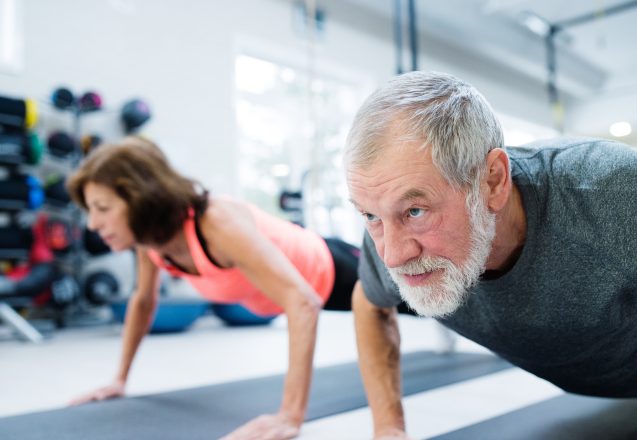
Regular physical activity can support health and everyday function as you age. It cannot guarantee a longer life, replace all medical treatment, or prove that your cells have become younger.

Begin With What You Want to Keep Doing

Choose a task such as walking a familiar route, getting out of a chair, or carrying groceries. Describe your current ability and any limitations. A functional goal can guide exercise selection more clearly than a promise to reverse aging.

The CDC describes benefits of regular activity, including reduced risk of several serious health outcomes. Risk reduction is not certainty for an individual.

Combine Appropriate Types of Activity

A useful plan may include aerobic movement, resistance exercise, and balance work where appropriate. The mix should reflect your health and starting point. Do not assume one exercise is sufficient for every aspect of aging well.

Our balance guide explains why stable support and appropriate assessment matter when unsteadiness is a concern.

Avoid Stem-Cell and Telomere Promises

The earlier article presented exercise as creating cells that replace any damaged tissue and suggested that more exercise always lengthens telomeres. Those claims have been removed.

A proposed biological mechanism does not establish that a studio program repairs joints, cures disease, or extends a person’s life by a predictable amount. You can pursue useful activity without relying on those explanations.

Start at the Appropriate Level

A person with significant illness, recent surgery, or bed confinement needs guidance from the treating team. An online suggestion that everyone can perform the same exercises is not enough.

For someone returning to general strength work, our starting-after-40 guide offers illustrative questions. Medical restrictions take priority over those examples.

Review Meaningful Progress

Record the activities completed and how relevant tasks feel. A set review date can help identify appropriate changes, but it is not a deadline for reversing a health condition.

Keep recommended screening, medication, and other care in place. New or unexplained symptoms deserve medical evaluation rather than a more demanding routine.

Explore Private Training in Fort Lee

VIP Fitness Center provides 30-minute, one-to-one coaching. Book a Free Body Diagnostic at 1620 Lemoine Ave, Suite 2 — upstairs—to discuss your fitness goals and schedule. The consultation is complimentary and is not medical clearance or a longevity treatment.


Juice for Children: Age Limits, Whole Fruit, and Food Safety

Juice for Children: Age Limits, Whole Fruit, and Food Safety

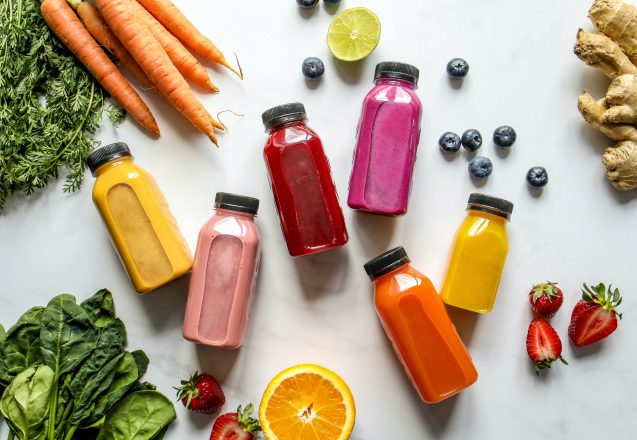
Children do not need juice to have a healthy diet. Whole fruit is generally preferred, and an organic label does not remove the need to consider portions, pasteurization, and age.

Use Age-Appropriate Guidance

The American Academy of Pediatrics recommends no juice before twelve months unless a clinician specifically advises otherwise. Its daily upper limits are four ounces for ages one to three, four to six ounces for ages four to six, and eight ounces for ages seven to eighteen.

These are limits, not targets children must reach. Discuss individual nutritional or medical needs with the child’s pediatrician rather than automatically adding juice.

Compare the Actual Product

Read the percentage of juice, serving size, added-sugar information, and ingredients. A fruit drink and a 100% juice product are different. Neither an organic label nor a vegetable in the ingredient list guarantees low sugar, adequate fiber, or a particular health benefit.

Tomato juice is not treatment for lead exposure. Do not use a juice product to address poisoning, dehydration, or a suspected deficiency.

Whole Fruit and Blended Fruit Are Different From Extracted Juice

Whole fruit includes its edible fiber and a different eating experience. A blender retains the ingredients you put in it, while a juicer usually separates some material. Homemade juicing does not automatically provide more fiber than store-bought juice.

Use age-appropriate pieces and textures. For a broader comparison, see our whole-fruit and juice guide.

Prioritize Safe Handling

AAP advises against unpasteurized juice for children. Refrigerated pasteurized juice can be suitable when stored correctly; it does not have to be shelf-stable to be appropriately treated. Follow the label after opening.

Fresh-squeezed and cold-pressed do not automatically mean safer. The CDC explains food-safety precautions for young children.

Avoid All-Day Sipping

Offer an appropriate portion with food rather than in a bottle or cup used to sip juice throughout the day. Avoid bedtime juice and do not use juice as a substitute for appropriate illness treatment.

The earlier suggestion that sugar inevitably makes children hyperactive has been removed; a parent’s beverage decision does not need that claim to be sensible.

Keep Adult Fitness Services Separate

VIP Fitness Center offers private exercise coaching in Fort Lee. Our Free Body Diagnostic introduces fitness options; it is not pediatric nutrition care or an indication that we provide childcare or a children’s program.


Fat-Loss Myths: Cardio, Food Labels, and Workout Timing

Fat-Loss Myths: Cardio, Food Labels, and Workout Timing

A useful weight-management plan does not need a villain such as all cardio, all dietary fat, or one particular workout time. Evaluate the whole routine and the person rather than choosing rules from a list of supposed shortcuts.

Myth: Cardio Is Bad for Fat Loss Because It Burns Your Muscles

Aerobic activity and resistance training have different, complementary roles. Running does not automatically make a plan unhealthy, and lifting does not ensure that all weight lost comes from fat.

Our cardio-versus-strength guide explains the comparison without presenting either format as a universal winner.

Myth: Severe Restriction Is a Reliable Shortcut

An inadequate diet can create health and adherence problems, but a missed meal is not proof that a starvation switch has permanently damaged metabolism. Avoid using either claim to justify an extreme plan.

The NIDDK addresses common weight-management myths. Medical conditions and nutritional needs may require individualized professional advice.

Myth: Every Fat-Free Product Is Worse

Products differ. Compare serving size, ingredients, nutritional information, taste, and the role in your meals. Removing fat does not mean every manufacturer replaces it with the same amount of sugar, and a full-fat label is not a guarantee of a better choice.

Our fat-label guide explains why the food and its replacement matter.

Myth: A Special Workout Time Guarantees More Fat Loss

A feasible schedule, suitable workload, and adequate recovery are more useful starting decisions than a promise that everyone must train at one hour. Some people also need to coordinate activity with medication or meal timing.

Do not automatically train fasted, remove sleep, or exercise in unsafe heat to follow a timing rule.

Myth: One Beverage Explains Every Change

Beverages can contribute to intake, but an association involving diet drinks does not prove that a particular artificial sweetener causes belly fat. Compare the actual substitution and overall pattern rather than assuming all zero-calorie drinks are harmful or all natural sugars are harmless.

Choose a Measurable Next Step

Use our seven-check review to identify useful information before changing the plan. No exercise or food rule guarantees a particular weight outcome.

VIP Fitness Center offers 30-minute private coaching. Book a Free Body Diagnostic at 1620 Lemoine Ave, Suite 2, Fort Lee — upstairs—to discuss your fitness goals without a purchase obligation.


The Pineapple Diet: Why a Single-Food Plan Is Not a Balanced Approach

The Pineapple Diet: Why a Single-Food Plan Is Not a Balanced Approach

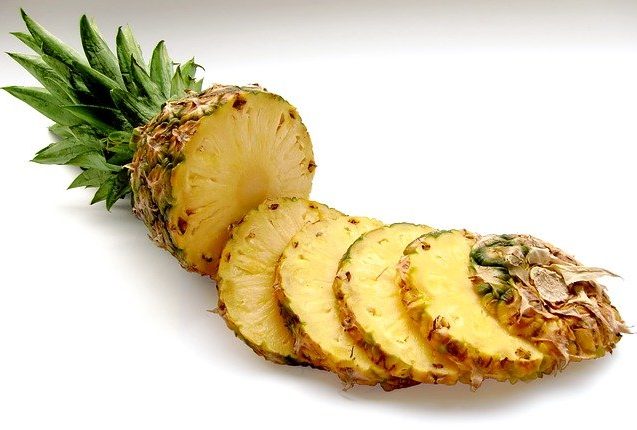
Pineapple can be part of a varied diet. Eating only pineapple is a different proposition and should not be promoted as a generally safe short-term weight-loss method. A restrictive plan does not become adequate because the food contains useful nutrients.

Why the Single-Food Idea Falls Short

One fruit does not supply an appropriate balance of protein, fats, and other nutritional needs for a complete diet. Eating more of it does not solve the missing variety. A change on the scale during restriction also does not establish that only body fat was lost.

The earlier article’s endorsement of short pineapple-only periods and exact calories-per-whole-pineapple assumptions has been removed. Fruit size varies, and an arbitrary low intake is not a safe recommendation for everyone.

Avoid Guaranteed Weight-Loss Arithmetic

Subtracting a fixed number of calories does not guarantee the same amount of weight loss indefinitely. The NIDDK Body Weight Planner reflects changing energy needs in an adult model, with limitations and exclusions.

Do not use a calculator to justify an extremely low intake, especially with medical conditions, pregnancy, or an eating-disorder history. Seek appropriate professional guidance.

Enjoy Pineapple as Food

Serve a suitable portion with a meal or combine it with other foods you enjoy. For example, fruit alongside yogurt or a balanced lunch has a different purpose from replacing every meal with fruit.

There is no need to promise improved sexual function, detoxification, or a metabolic reset to make pineapple an enjoyable choice.

Notice When Diet Rules Become Harmful

Persistent weakness, dizziness, inability to eat adequately, or distress around food warrants support. Do not respond by extending the restrictive phase or adding a punishing workout.

Our flexible-eating guide explains why meals do not need to alternate between restriction and compensation.

Choose a More Useful Starting Plan

Identify a practical issue such as meal access, training consistency, or a need for individualized nutrition care. Address that issue rather than choosing the next single-food challenge.

VIP Fitness Center offers 30-minute private exercise coaching. Book a Free Body Diagnostic at 1620 Lemoine Ave, Suite 2, Fort Lee — upstairs—to discuss fitness goals. The consultation is complimentary and is not a prescription for a restrictive diet.