Brian Hernandez

Brian Hernandez is the owner of VIP Fitness Center and a personal trainer in Fort Lee, New Jersey. He helps adults build practical fitness routines through 30-minute, one-to-one personal training, with an emphasis on appropriate exercise selection, clear coaching, steady progression, and consistency.

His articles explain how to choose a training program, understand fitness assessments, and make informed decisions about strength training, scheduling, and long-term progress. VIP Fitness Center's private training studio is upstairs at 1620 Lemoine Ave, Suite 2, Fort Lee.

Brian writes from an exercise-coaching perspective. His articles provide general fitness education, not medical diagnosis, treatment, or individualized medical nutrition advice.

Do You Need a Detox? What to Do Instead

Do You Need a Detox? What to Do Instead

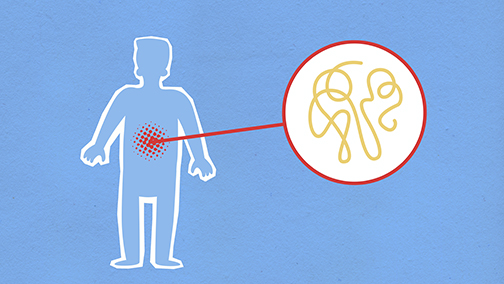
A detox diet, sweat session, or cleanse is not a proven way to remove unspecified toxins or reset your health. A more useful approach is to identify the actual concern and choose an appropriate response.

This article has been revised to remove unsupported claims about sweating out toxins, fasting to heal organs, and using a fitness program for detoxification. It also removes advice to manage alcohol or drug withdrawal through a do-it-yourself cleanse.

Ask What the Word Detox Means

In advertising, the term can describe very different products without naming a substance, a validated test, or a measurable benefit. Ask what is supposedly being removed and what evidence supports the claim.

The NIH’s review of detoxes and cleanses discusses limited evidence and potential harms. A temporary scale change from restriction or fluid loss does not establish toxin removal or sustainable fat loss.

Medical Detox Is Different

Withdrawal from alcohol or some drugs may require medical supervision and can be dangerous. Do not attempt to manage dependence by fasting, sweating, or following an online taper. Contact an appropriate healthcare or addiction-treatment professional; severe symptoms require emergency assistance.

Likewise, suspected poisoning is not a situation for a cleansing diet. Seek poison-control or emergency guidance appropriate to the exposure.

Do Not Turn Exercise Into a Purging Method

Choose exercise for fitness goals rather than how much sweat it produces. Adding heat or restricting fluids to make the scale drop can create risk. Our heat-safety guide explains when symptoms require urgent action.

Choose a Concrete Habit Instead

For a practical reset, identify one issue: irregular meals, a calendar that prevents exercise, or difficulty preparing food. Plan a realistic response, such as a regular shopping time or a manageable training appointment. You do not need a cleanse to begin.

Seek individualized guidance when medical conditions, medications, or disordered eating affect the plan. Do not replace meals with a single food or use laxatives as a weight-management strategy.

Fitness Support, Not Detox Treatment

VIP Fitness Center provides 30-minute private personal training at 1620 Lemoine Ave, Suite 2, Fort Lee, NJ 07024 — upstairs. Book a Free Body Diagnostic to discuss fitness goals and scheduling. This complimentary consultation is not a detox service or medical diagnosis.



Family Activity Ideas: Make Movement Enjoyable and Age-Appropriate

Family Activity Ideas: Make Movement Enjoyable and Age-Appropriate

Family activity works best when it is enjoyable, suited to each child’s development, and safe for the setting. It does not need to become a weight-loss project, a performance test, or a reward children must earn.

Choose From Activities Children Enjoy

Try a dance break, a scavenger walk, a simple ball game, or a visit to an appropriate playground. Offer choices and adapt the difficulty so different ages and abilities can participate.

Do not use an infant as a weight during crunches or unstable exercises. Keep babies in a suitable safe place while an adult exercises, with appropriate supervision and separation from equipment.

Match Expectations to Age

The CDC recommends active play throughout the day for ages three to five. Ages six to seventeen need a mix of activity, generally totaling at least sixty minutes daily. The guidance includes aerobic, muscle-strengthening, and bone-strengthening activities.

These are population recommendations, not a demand that every family complete one continuous workout. Ask about individual adaptations or medical restrictions when needed.

Plan the Environment

Check walking routes, traffic, weather, equipment, and supervision. For cycling, use properly fitted helmets and suitable skills and routes. Swimming requires close, appropriate water supervision; visiting a park does not make a swimming area automatically safe.

Keep obstacle games free of sharp objects and unstable equipment. A competition should not encourage children to ignore pain, take unsafe jumps, or rush through household cleaning chemicals.

Make Space for Family Preferences

Not every family needs new bikes or an active vacation to participate. A short game at home can be a realistic option. Screen-use decisions should reflect age and circumstances rather than an outdated universal one- or two-hour rule for all children.

Focus on enjoyment and skills, not comments about body size or promises that exercise guarantees better grades.

Adults Can Plan Their Own Training Too

Choose an adult routine that fits caregiving responsibilities rather than assuming children must join every workout. Our weekly planning guide can help.

VIP Fitness Center offers 30-minute private coaching in Fort Lee. Book a Free Body Diagnostic at 1620 Lemoine Ave, Suite 2 — upstairs—to discuss adult fitness options. This article does not establish childcare availability or a children’s program.


Could You Be Dehydrated? Clues, Limits, and When to Get Help

Thirst, reduced urination, dark urine, and dizziness can be clues to dehydration, but no single home observation reliably diagnoses or rules it out. Consider symptoms and circumstances together, and seek help for concerning changes.

What to Notice

MedlinePlus lists common adult symptoms including thirst, dry mouth, less urination, tiredness, and dizziness. Heat, sweating, vomiting, diarrhea, and some medical conditions or medicines can affect fluid balance.

Do not assume a headache, cracked lips, or an unusual blood-pressure reading is necessarily dehydration. Each can have other explanations.

Do Not Rely on a Skin Pinch or Urine Color Alone

Skin appearance and elasticity vary, and a quick return after pinching does not establish that hydration is normal. A clinician’s examination considers more than that observation.

Urine color is also influenced by food, medicines, and other conditions. Clear urine does not by itself diagnose overhydration, and brown or red urine should not be dismissed as needing another glass of water.

Recognize the Need for Urgent Care

Confusion, fainting, lack of urination, rapid breathing, or severe illness needs prompt medical attention. An unconscious or confused person should not be given a drink. Call emergency services for an apparent emergency.

During heat exposure, altered thinking or consciousness may indicate heat stroke. Our heat-safety guide explains immediate emergency action and cooling.

Infants and Older Adults Need Particular Attention

Infants and young children can become dehydrated during illness; unusually few wet diapers, unusual sleepiness, or inability to drink warrants pediatric advice. Do not use adult fluid advice for a baby.

Older adults may not always experience strong thirst. New confusion deserves medical evaluation rather than assuming either dehydration or dementia.

Prepare for Exercise Without Forcing Fluids

Have appropriate access to water and account for activity and weather. Follow medical fluid or salt restrictions where applicable. Inability to keep fluids down or persistent symptoms should prompt healthcare advice, not a harder workout.

For routine planning, see our hydration guide. VIP Fitness Center’s Free Body Diagnostic in Fort Lee is a fitness consultation—not a dehydration test or medical assessment.


Do You Need Cheat Days? A More Flexible Way to Plan Food

Do You Need Cheat Days? A More Flexible Way to Plan Food

You do not need to label an enjoyable meal cheating. Foods you like can fit into an overall eating pattern without a cycle of rigid restriction and compensation. Whether a particular approach is helpful depends on your needs and experience.

Separate Enjoyment From a Metabolic Claim

A planned restaurant meal may make a routine more enjoyable. That is different from claiming a high-calorie day reliably boosts metabolism by a specific percentage or prevents every adaptation to weight loss.

The earlier claim of a predictable ten-percent metabolic boost has been removed. There is no need to promise a physiological reset to justify enjoying food.

Avoid Exact Weight-Loss Arithmetic

An energy-balance calculation can illustrate a concept, but subtracting 500 calories a day does not guarantee exactly one pound lost each week or one extra day needed after a larger meal. Bodies and energy needs change over time.

The NIDDK Body Weight Planner uses a more individualized model for adults and has important limits. It is not a reason to calculate compensation for every celebration.

Choose a Pattern You Can Live With

Consider which regular meals satisfy you and how special occasions fit. You may prefer to include a favorite food in an ordinary week rather than reserve it for a single day with no limits.

A larger meal does not require fasting or a punishing workout afterward. Return to an appropriate routine and review the broader pattern.

Notice Whether the Rule Creates Problems

If a cheat-day structure increases preoccupation, guilt, restriction, or loss of control, it may not be a useful tool. Seek support from a qualified nutrition or mental-health professional when those concerns arise.

Do not diagnose sugar addiction from a preference for dessert or assume that every person will retrain their taste in exactly one month.

Keep Fitness and Food in Perspective

The NIDDK addresses common diet myths and explains that favorite foods can fit an overall plan. Medical dietary restrictions still need individualized guidance.

VIP Fitness Center offers 30-minute private exercise coaching. Book a Free Body Diagnostic at 1620 Lemoine Ave, Suite 2, Fort Lee — upstairs—to discuss fitness goals without promises that a meal rule will guarantee weight loss.


Fitness and Well-Being: Choose Measures That Matter to You

Fitness and Well-Being: Choose Measures That Matter to You

Well-being can include physical function, enjoyment, social connection, and mental health. No single workout or body measurement captures all of those areas. Choose a few meaningful observations rather than assuming every exercise session must improve every part of life.

Ask What You Want Activity to Add

You might value time outdoors, learning a new skill, or finding everyday tasks more manageable. Describe that preference before selecting a program. Another person’s favorite high-energy class may not be your preferred environment.

The CDC describes health benefits of regular activity. These are not guarantees that exercise has no adverse effects or works better than every medication.

Observe the Experience

After an appropriate activity, note what you did, how it felt, and whether you would repeat it. Feeling neutral rather than euphoric does not make the session worthless. Feeling unwell or distressed deserves attention.

Do not infer that you have burned off stress hormones, repaired brain tissue, or corrected a neurotransmitter imbalance from a short-term feeling.

Keep Confidence Separate From Appearance

Learning a movement or understanding a plan may feel useful even without a weight change. Your posture and body size do not establish confidence, competence, or how you deserve to be treated.

Our skills-based confidence guide offers practical starting goals without body comparisons.

Use the Right Support for the Concern

Persistent anxiety, depression, or significant distress should be discussed with a qualified professional. The NIMH explains self-care and when to seek help. A fitness coach does not diagnose mental-health conditions or replace treatment.

Likewise, recurring pain or unexplained fatigue requires appropriate healthcare attention, not a promise that a welcoming gym will resolve it.

Review Your Routine Broadly

At a planned check-in, ask whether the activities are manageable, whether relevant skills are improving, and whether the commitment fits your life. Change what is not working without dismissing what is useful.

VIP Fitness Center provides 30-minute private personal training. Book your Free Body Diagnostic at 1620 Lemoine Ave, Suite 2, Fort Lee — upstairs—to discuss fitness goals and preferences. The consultation is complimentary and carries no purchase obligation.


Food, Inflammation, and Workout Recovery: Focus on the Overall Pattern

Food, Inflammation, and Workout Recovery: Focus on the Overall Pattern

No single food can be relied on to prevent pain, treat an inflammatory disease, or guarantee faster workout recovery. Adequate, varied nutrition can be part of a broader plan, while persistent symptoms need appropriate assessment.

Do Not Diagnose Inflammation From Aches Alone

Pain after activity has different possible explanations. Rheumatoid arthritis, an injury, and ordinary post-exercise soreness are not interchangeable conditions with one food-based treatment.

Seek medical advice for persistent, severe, or unexplained symptoms rather than treating every ache as proof that your diet is inflammatory.

Think in Terms of Meals and Patterns

A review of randomized dietary-pattern trials found some improvements in inflammatory markers with Mediterranean-style patterns, with substantial variation among studies and outcomes. A biomarker finding does not prove that a specific food cures arthritis or prevents dementia.

Practical meals might include vegetables, beans or another protein source, a grain or potato, and suitable fats. Choose ingredients you enjoy and can obtain. Our nutrition guide emphasizes adequacy rather than blanket food bans.

Avoid Labeling All Omega-6 Fat as Harmful

A meta-analysis of randomized trials found no significant overall increase in measured inflammatory markers when dietary linoleic acid increased, although some analyses raised questions about the degree of change. That does not support declaring all omega-6-containing foods inflammatory.

The food, amount, substitution, and individual context matter. A universal ratio or a list of forbidden oils is not a medical treatment plan.

Use Spices for Flavor Without Treatment Promises

Turmeric or ginger can add flavor to meals. Concentrated supplements are a different exposure. NCCIH describes uncertain benefits and safety concerns with turmeric products, including reported liver injury with some formulations.

Do not assume a pineapple serving provides the same effect as a studied bromelain preparation or that a spice will treat Alzheimer’s disease. Ask about interactions before using supplements.

Review the Full Recovery Plan

Consider training workload, sleep, regular meals, and symptoms. Our recovery checklist can help organize the conversation. More anti-inflammatory ingredients are not automatically the answer to excessive or unsuitable training.

VIP Fitness Center offers private exercise coaching in Fort Lee. Book a Free Body Diagnostic at 1620 Lemoine Ave, Suite 2 — upstairs—to discuss fitness goals, not receive a diagnosis or treatment for inflammation.


Build a New Healthy Habit: Choose One Action and a Repeatable Cue

Build a New Healthy Habit: Choose One Action and a Repeatable Cue

A useful habit starts with an action small enough to repeat in your real circumstances. It does not become permanent on a universal 21-day or 66-day deadline.

Choose One Specific Action

Examples include preparing training clothes the evening before an appointment, taking a suitable short walk after lunch, or putting a planned food item on your shopping list. “Become healthier” provides direction but does not specify what happens next.

Choose an action that serves your own goal rather than copying someone else’s ideal morning routine.

Connect It to a Practical Cue

Attach the action to something that already happens, such as finishing breakfast or closing your workday calendar. The cue should be reliable and the activity should be appropriate for your health and schedule.

For example, placing your training bag by the door may reduce one obstacle. It will not solve a recurring work meeting that conflicts with the appointment; that requires a scheduling decision.

Use Repetition Without a Magic Number

In a 2026 explanation of her habit research, researcher Pippa Lally emphasizes that the often-quoted 66 days was an average, not a prediction for every person and habit. Different actions take different amounts of time.

A missed opportunity does not mean you must abandon the plan. Review why it happened and return when appropriate instead of treating a streak as the only measure of success.

Keep the Action Useful

A habit can become familiar without producing the outcome you want. Ask whether it still serves the goal. For exercise, attendance is important information, but appropriate programming and your response also matter.

Our weekly planning guide helps connect a repeatable action with a broader routine.

Review and Adjust

Choose a check-in date to discuss what is working. Make the action more manageable, change the cue, or address a practical barrier as needed. Persistent fatigue, pain, or distress should not be treated as a failure to form a habit.

VIP Fitness Center offers 30-minute private coaching in Fort Lee. Book a Free Body Diagnostic at 1620 Lemoine Ave, Suite 2 — upstairs—to discuss a realistic training commitment. The consultation is complimentary, with no purchase obligation.


Food Cravings: Notice the Pattern Without Diagnosing a Deficiency

Food Cravings: Notice the Pattern Without Diagnosing a Deficiency

A craving can reflect several influences, including habits, hunger, emotions, and food cues. Wanting a particular food does not, by itself, identify a vitamin deficiency or prove an addiction.

Describe the Situation

Notice when the craving occurs, the time since your last meal, and what else is happening. A familiar snack during a television show and hunger after a missed lunch are different situations.

Use the observation to ask a useful question rather than deciding that the craving makes you undisciplined. You can enjoy a food without having to justify it as a medical need.

Do Not Turn Preferences Into Diagnostic Tests

A desire for cheese does not establish a vitamin D deficiency. Nor does a desire for sweets identify one specific hormone problem. Seek appropriate testing or assessment when symptoms warrant it rather than choosing supplements from a craving chart.

Our vitamin D guide explains why symptoms and food preferences cannot determine a treatment dose.

Take Nonfood Cravings Seriously

Repeatedly craving or eating nonfood substances, including persistent ice eating, can be associated with pica and sometimes nutritional deficiencies. MedlinePlus explains why pica needs evaluation.

Do not eat coins, soil, or other nonfood items as a remedy for a suspected deficiency. Swallowed objects or possible toxic exposures may require urgent medical or poison-control advice. Tell your clinician about the behavior rather than feeling embarrassed to mention it.

Choose a Response That Fits

For an ordinary food craving, consider whether a meal is overdue, whether the food can fit your plan, and whether a rigid restriction is making the situation harder. Water should not be used to suppress genuine hunger.

A short pause can help you notice what you need, but it is not a test requiring you to reject the food. Our mindful-eating guide discusses a nonjudgmental approach.

Ask for Support When Needed

Frequent distress, restriction, binge eating, or compensatory exercise deserves qualified support. A trainer should not diagnose an eating disorder or prescribe a supplement to stop cravings.

For exercise planning, explore private personal training and a Free Body Diagnostic at VIP Fitness Center, 1620 Lemoine Ave, Suite 2, Fort Lee — upstairs.


Trans Fat and Saturated Fat: Read the Label and Consider the Replacement

Trans Fat and Saturated Fat: Read the Label and Consider the Replacement

Trans fat and saturated fat are different categories. Evaluating them requires looking at the food, amount, and what you replace it with—not declaring that every natural fat is harmless or every seed oil is inflammatory.

What Changed With Industrial Trans Fat?

The FDA describes the removal of partially hydrogenated oils from authorized food uses in the United States. Do not assume current products have the same formulation as an old list of cookies, margarine, or popcorn.

Partially hydrogenated and fully hydrogenated are not interchangeable ingredient descriptions. Read the actual label rather than treating every occurrence of hydrogenated as the same product.

Understand a Zero on the Label

Under FDA labeling guidance, less than 0.5 gram of trans fat per serving can be declared as zero grams. That is a labeling threshold, not a recommendation to seek out foods just below it.

Check the serving size and the amount you actually eat. Labels are useful information but do not make a food unlimited.

Consider Saturated Fat and Its Alternatives

WHO guidance recommends limiting saturated fat and emphasizes replacement with unsaturated fats or carbohydrate foods containing naturally occurring fiber. A food’s effect cannot be evaluated without considering the alternative.

For example, using an appropriate unsaturated oil in place of some butter changes the meal differently from replacing the butter with a large amount of refined sugar. The whole eating pattern matters.

Avoid the Omega-6 Shortcut

It is inaccurate to label all omega-6 fats harmful because they occur in certain oils. Our food-and-inflammation guide discusses the evidence and its limits.

Do not select a very-low-fat or high-fat plan solely from a simplified good-versus-bad chart. Medical lipid concerns may require individualized nutrition advice and prescribed treatment.

Make One Practical Comparison

Compare two foods you actually buy by serving size, fat information, ingredients, price, and how they fit your meals. You do not need an entirely new pantry to make an informed choice.

VIP Fitness Center provides private exercise coaching in Fort Lee. A Free Body Diagnostic can introduce fitness options but does not replace medical cholesterol assessment or dietary treatment.


Build a Snack Backup: Fridge, Desk, and Cooler Options

Build a Snack Backup: Fridge, Desk, and Cooler Options

A small selection of practical snacks can help when meals are delayed. Choose them around storage, allergies, preferences, and your needs rather than classifying every craving as a problem to defeat.

For a Desk or Bag Without Refrigeration

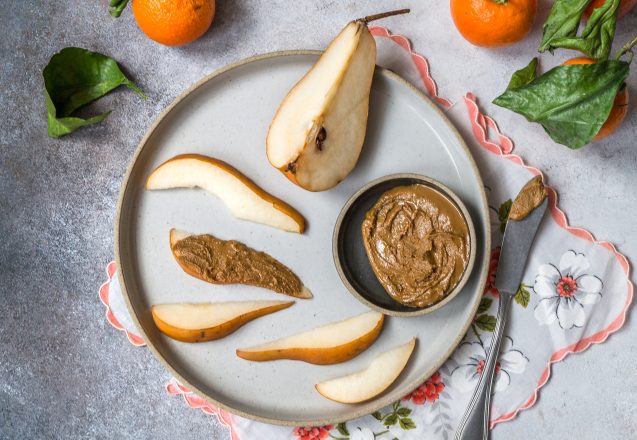
Consider whole fruit, suitable nuts or seeds, whole-grain crackers, or a clearly labeled shelf-stable option. Check serving sizes and allergens. Trail mixes differ widely, so avoid assigning one calorie total to every product.

Choose a container that protects the food and keep it away from excessive heat when the label requires it. A shelf-stable item may need refrigeration after opening.

For a Refrigerator

Options include yogurt with fruit, hummus with vegetables, or another food you enjoy that fits your eating pattern. Prep a manageable quantity rather than assuming fresh or cooked food can be stored indefinitely.

Use pasteurized products when relevant and follow the package instructions. The USDA explains how to keep perishable packed foods cold.

For Travel With a Cooler

Pack enough cold sources and limit the time food spends unrefrigerated. Cheese, eggs, dairy-based dips, and cut produce may need more care than a whole apple or an unopened shelf-stable item.

Do not leave the cooler in a hot car and assume its presence alone makes the food safe. Check current guidance for the foods you pack.

Make Homemade Options Flexible

Hummus can be served with vegetables or bread; a guacamole portion can accompany a meal. Neither requires a low-calorie label to be worthwhile. Popcorn toppings and prepared dips vary, so compare ingredients instead of assuming one branded seasoning is always healthier.

Our simple snack ideas provide adaptable combinations.

Let Snacks Serve the Day

Snacking is optional. Consider the interval between meals and how you feel before activity. A snack is not a guaranteed way to improve metabolism or prevent overeating, and a pastry does not make the day a failure.

VIP Fitness Center offers 30-minute private training. Book your Free Body Diagnostic at 1620 Lemoine Ave, Suite 2, Fort Lee — upstairs—to discuss a realistic exercise routine. Nutrition needs should be individualized when medical concerns apply.