
Brian Hernandez

Brian Hernandez is the owner of VIP Fitness Center and a personal trainer in Fort Lee, New Jersey. He helps adults build practical fitness routines through 30-minute, one-to-one personal training, with an emphasis on appropriate exercise selection, clear coaching, steady progression, and consistency.

His articles explain how to choose a training program, understand fitness assessments, and make informed decisions about strength training, scheduling, and long-term progress. VIP Fitness Center's private training studio is upstairs at 1620 Lemoine Ave, Suite 2, Fort Lee.

Brian writes from an exercise-coaching perspective. His articles provide general fitness education, not medical diagnosis, treatment, or individualized medical nutrition advice.

Do Carbohydrates Cause Weight Gain? Look at the Food and the Pattern

Do Carbohydrates Cause Weight Gain? Look at the Food and the Pattern

Carbohydrates are not a single type of food. Fruit, beans, oats, milk, bread, and sweets can all contain them, but differ in fiber, nutrients, portions, and how they fit your diet. A carbohydrate-containing food does not automatically cause weight gain.

Choose the Actual Food, Not Just a Macronutrient Label

Compare foods you commonly eat. A serving of lentils and a sweetened drink are not nutritionally interchangeable simply because both contain carbohydrate.

WHO guidance emphasizes carbohydrate quality, including whole grains, vegetables, fruit, and pulses. It does not support treating all carbohydrate sources as foods to avoid.

Distinguish Fiber From Other Carbohydrate

Fiber is included within carbohydrate information but is handled differently from sugars and starches. Do not assume every gram labeled carbohydrate follows the same digestion process or that all simple sugars come from nutritionally poor foods.

Read the serving size, fiber, added-sugar information, and ingredients in context. The goal is a useful comparison, not a perfect-food classification.

Put Weight Change in Context

Overall intake, activity, health, medications, and other factors influence weight management. The NIDDK addresses common diet myths, including assumptions about grains and weight loss.

A lower-carbohydrate approach may fit some people, but it is not automatically necessary or best for everyone. Do not interpret an early scale change as proof that the diet removed only body fat.

Consider Exercise and Medical Needs

Food choices should support the activity you do. A short strength appointment and a long endurance event can require different planning. Our pre-workout snack guide discusses timing and comfort.

People managing diabetes or another condition should follow individualized advice, particularly when changing eating patterns around medication. Do not adjust treatment based on a low-carb blog post.

Make a Practical Change

Choose one improvement that fits your needs, such as adding a fiber-containing food to a meal or comparing beverages. You do not need to remove all bread, rice, or fruit to begin an appropriate plan.

For exercise coaching, explore 30-minute private training and book a Free Body Diagnostic at VIP Fitness Center, 1620 Lemoine Ave, Suite 2, Fort Lee — upstairs.


Apple Cider Vinegar: Use It as Food, Not a Weight-Loss Treatment

Apple Cider Vinegar: Use It as Food, Not a Weight-Loss Treatment

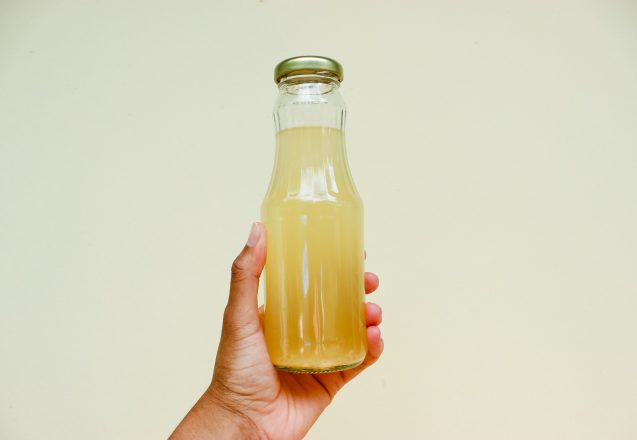
Apple cider vinegar can add flavor to food, but it should not be presented as a reliable way to lose weight, treat diabetes, replace wound care, or clear every skin problem. Culinary use and medical treatment are different claims.

Why the Evidence Needs Careful Checking

A widely publicized 2024 weight-loss trial was retracted by BMJ Group in 2025 after concerns about the data and analyses. Its reported results should not be used to promote vinegar for weight loss.

That retraction does not decide every question about vinegar, but it demonstrates why a dramatic result or a positive headline is not enough. Check the specific study and whether it remains reliable before turning it into advice.

Enjoy the Flavor Without a Treatment Dose

Vinegar can be an ingredient in a dressing, marinade, or other recipe you enjoy. This article does not prescribe a daily vinegar drink or an empty-stomach dose. Adding vinegar does not guarantee that a meal lowers blood sugar or produces fat loss.

Acidic products can irritate tissues and affect teeth. Avoid drinking undiluted vinegar or applying it to skin, wounds, or the ear as a homemade treatment.

Do Not Substitute It for Medical Care

Persistent ear pain, an open wound, a rash, or poor blood-glucose control needs appropriate evaluation. A laboratory antimicrobial finding does not establish a safe human treatment for those problems.

Ask your clinician or pharmacist about supplements and possible interactions, particularly when managing diabetes or taking medicines that affect fluid or electrolyte balance. Do not change medication to accommodate a vinegar regimen.

The Mother Is Not a Universal Probiotic Prescription

An unfiltered product is not automatically superior, and the presence of fermentation material does not prove a particular health benefit. NCCIH explains that probiotic effects depend on the organism, product, and use.

Choose food products according to their intended use and handling instructions, not a promise that raw always means healthier.

Choose a More Useful Fitness Next Step

Review your actual routine with our seven progress checks instead of adding a supposed metabolic shortcut.

VIP Fitness Center offers 30-minute private coaching. Book a Free Body Diagnostic at 1620 Lemoine Ave, Suite 2, Fort Lee — upstairs—to discuss fitness goals. It is not medical treatment or a guarantee of weight loss.


Vitamin D: Food, Supplements, and Why Sunbathing Is Not the Plan

Vitamin D: Food, Supplements, and Why Sunbathing Is Not the Plan

Vitamin D is important for health, but more is not automatically better. Intentional unprotected sun exposure is not an appropriate universal way to manage your intake. Food, fortified products, and individualized supplement advice are more useful starting points.

Know the General Intake Guidance

The NIH Office of Dietary Supplements lists 600 IU daily for most adults through age seventy and 800 IU for adults older than seventy. Those amounts describe general intake guidance, not a treatment dose for a diagnosed deficiency.

Check all supplements you use before adding another. Excessive supplemental vitamin D can cause harm. A clinician may recommend a different dose for a particular medical reason.

Look at Actual Foods and Labels

Fatty fish and some other foods naturally contain vitamin D; fortified milk and suitable fortified alternatives can contribute. Fortification differs by product, so check the label rather than assuming every plant beverage or mushroom provides the same amount.

A varied eating pattern remains important. Vitamin D is not a replacement for calcium, adequate food intake, or appropriate medical care.

Do Not Replace Sun Protection With a Vitamin Strategy

The American Academy of Dermatology does not recommend sun exposure or tanning beds as a vitamin D strategy because ultraviolet exposure carries skin-cancer risk. The earlier advice to spend unprotected time outdoors at midday has been removed.

Enjoy appropriate outdoor activity while using suitable sun protection. Skin tone, season, and location affect synthesis but do not create a simple safe sunbathing prescription for every person.

Ask Whether Testing or Treatment Is Indicated

Fatigue, mood changes, or frequent illness does not diagnose vitamin D deficiency. Discuss symptoms and risk factors with your healthcare professional rather than starting high-dose supplements from an online checklist.

Routine testing is not automatically needed for every healthy adult. Your clinician can determine whether testing would answer a useful medical question.

Keep Exercise and Treatment Roles Clear

For bone-health questions, read our strength-and-bone guide. An InBody assessment is not a vitamin test or medical bone-density measurement.

VIP Fitness Center offers private coaching in Fort Lee. Book a Free Body Diagnostic at 1620 Lemoine Ave, Suite 2 — upstairs—to discuss fitness goals, not determine supplement treatment.


Find Your Reason to Be Active Without Depending on Motivation Alone

Find Your Reason to Be Active Without Depending on Motivation Alone

A personal reason can help you choose a fitness direction, but it does not remove practical barriers or guarantee success. Pair the reason with a manageable action and the support you actually need.

Choose a Reason That Belongs to You

You may value playing with children, learning strength exercises, or making an everyday task easier. Your reason does not have to be dramatic, and it does not need to involve appearance.

A person can care about health and still struggle with access, symptoms, time, or cost. Avoid treating inconsistent participation as proof that the goal is not important enough.

Turn the Reason Into a First Step

Ask what you can do this week: learn about appointments, try an appropriate activity, or discuss medical restrictions. A broad goal such as improving health becomes more actionable when connected to a specific decision.

Our measurable-goal guide distinguishes an action, a starting measure, and a review date.

Decide How to Recognize Useful Progress

Choose measures related to your goal. Attendance and exercise skills may be appropriate fitness observations; blood pressure, cholesterol, or other medical results belong in a healthcare discussion.

Do not promise that every indicator will improve within thirty days. Progress can differ among measures, and a short review is not a treatment guarantee.

Use Support Without Shame

A coach may help organize exercises and review the plan. A friend may help with a shared walk or encouragement. Ask for specific support rather than assuming accountability means pressure to push through every obstacle.

A missed session is information to review, not a moral failure. Our consistency guide offers practical ways to return.

Keep Health Care in the Picture

The CDC describes benefits of activity, but exercise is not a universal substitute for medication or other treatment. Discuss persistent symptoms and medical goals with the appropriate professional.

VIP Fitness Center provides 30-minute private personal training. Book your Free Body Diagnostic at 1620 Lemoine Ave, Suite 2, Fort Lee — upstairs—to connect your goals with an appropriate starting routine. No purchase obligation.


Vegetables and Immune Health: Support Nutrition Without Cure Claims

Vegetables and Immune Health: Support Nutrition Without Cure Claims

Vegetables can contribute to adequate nutrition, which supports normal immune function. They do not make you infection-proof or replace vaccination, prescribed treatment, or medical care.

Focus on Adequacy and Variety

The NIH Office of Dietary Supplements explains that several nutrients are needed for normal immune function. Correcting inadequate intake is different from continually boosting an already functioning immune system with larger supplement doses.

Use vegetables alongside other foods that meet your needs. A meal might combine beans, rice, and vegetables, or another protein source with a grain and produce. Frozen and canned options can be practical; check ingredients and handling instructions.

Do Not Make One Food a Treatment

Garlic, ginger, spinach, carrots, and tomatoes can add variety and flavor. An ordinary serving should not be advertised as treating infection, lowering every person’s cholesterol, or preventing prostate cancer.

Research on an isolated compound or supplement does not automatically establish the same effect from a food portion. Concentrated products can also have adverse effects or interactions.

Keep Elderberry Claims in Perspective

NCCIH describes limited evidence and safety concerns for elderberry. It should not be presented as equivalent to a prescribed influenza antiviral or as a way to repel every virus.

Do not eat raw or unripe elderberries or other plant parts as a homemade immune remedy. Seek timely medical advice for significant illness rather than relying on a supplement.

Handle Food Safely

Wash produce appropriately, keep perishable foods at suitable temperatures, and avoid cross-contamination. Food safety matters even when an ingredient is organic or marketed for immunity.

People with weakened immune systems may need additional food-safety precautions. Ask the healthcare team about those needs rather than assuming all raw or fermented foods are suitable.

Pair Food With Appropriate Activity and Care

Exercise, sleep, nutrition, and medical care have different roles. Do not use a workout or vegetable drink to treat an infection. Illness may require modifying or postponing training.

For exercise planning, explore private coaching and book a Free Body Diagnostic at VIP Fitness Center, 1620 Lemoine Ave, Suite 2, Fort Lee — upstairs. The consultation is not immune testing or treatment.


Mindful Eating: Notice Your Experience Without Turning Meals Into a Test

Mindful Eating: Notice Your Experience Without Turning Meals Into a Test

Mindful eating means paying attention to the eating experience with less automatic judgment. It is not a guarantee of weight loss or a set of rules requiring perfect concentration at every meal.

Try One Small Observation

At a convenient meal, notice the food’s taste, texture, and how comfortable the meal feels. You might set aside a screen briefly or pause between a few bites. Choose an approach that fits your situation rather than making meals more difficult.

You do not have to reject a favorite food or prove that you are hungry enough to deserve it. The purpose is awareness, not another restriction.

Avoid Rigid Chewing and Timing Rules

There is no requirement to chew every mouthful exactly twenty times or until it becomes liquid. Eat in a comfortable way and seek appropriate advice for swallowing or dental concerns.

Putting down a utensil can be an optional cue, not a compulsory ritual. Family meals, work schedules, disability, and caregiving can change what is practical.

What Does Research Say About Weight?

A randomized trial of mindful eating in women with obesity found some improvements in eating behaviors but no statistically significant difference in weight loss between the compared approaches. Many participants did not complete the intervention, which limits interpretation.

That supports realistic expectations, not a promise that everyone who practices will lose a fixed amount in six weeks. The earlier unsupported average-loss claim has been removed.

Consider the Context Around Eating

Notice whether meals are being missed, a food rule is increasing anxiety, or your schedule makes regular food difficult. A useful response may involve practical meal access rather than simply slowing down.

Our cravings guide explains why a food preference is not a deficiency diagnosis.

Seek Support When Needed

Mindful eating is not a substitute for eating-disorder treatment or a prescribed medical diet. If attention to food or body signals increases distress, work with an appropriately qualified professional instead of forcing the technique.

VIP Fitness Center offers private exercise coaching. Book a Free Body Diagnostic at 1620 Lemoine Ave, Suite 2, Fort Lee — upstairs—to discuss fitness goals. The complimentary consultation does not provide psychotherapy or individualized medical nutrition treatment.


Biceps Training: Curl and Pulling Options That Fit Your Level

Biceps Training: Curl and Pulling Options That Fit Your Level

Biceps training generally uses elbow-bending movements such as suitable curls and pulling exercises. Diamond push-ups are not primarily a biceps exercise. Choose the movement, resistance, and workload for your ability rather than a claim that one variation is best for everyone.

Start With a Suitable Curl

A coach may select a dumbbell, cable, machine, or resistance-band curl. Use a stable setup and a resistance that lets you practice the intended movement without a forceful swing.

For an illustrative dumbbell version, begin with the arms in a comfortable position, bend the elbows to raise the weights through a suitable range, and lower under control. Keep the wrist position comfortable. This is a general example, not a prescription for an elbow or shoulder condition.

Consider Pulling Exercises

A row or assisted chin-up may involve the elbow flexors as part of a broader movement. The demand differs from a curl, and a bodyweight chin-up may be too difficult as a starting option.

Use equipment designed for the task and appropriate assistance. Do not improvise a high-load doorway anchor or assume a narrow grip is comfortable for every wrist and shoulder.

Correct the Push-Up Confusion

Research on push-up hand positions examined chest and triceps activation, with greater activity in those muscles in the narrow-base condition. That finding does not make a diamond push-up a primary biceps-building exercise or establish superior long-term growth.

Push-ups can still be useful for an appropriate pressing goal; they simply serve a different purpose.

Progress the Work, Not the Hype

Record the selected exercise, load, repetitions, and how it felt. Add work only when appropriate. A starting curl does not require a particular brand of weight, training to failure, or a minimum ten-second eccentric phase.

Our progression guide explains how to choose a manageable next step. The ACE exercise library provides additional movement examples.

Know When to Seek Assessment

New pain, a sudden pop, bruising, or a loss of strength after an injury deserves medical evaluation rather than a different curl. A trainer does not diagnose a tendon injury.

VIP Fitness Center offers 30-minute private coaching in Fort Lee. Book your Free Body Diagnostic at 1620 Lemoine Ave, Suite 2 — upstairs—to discuss fitness goals and suitable training options.


Rest Days: Decide What Your Next Day of Activity Should Look Like

Rest Days: Decide What Your Next Day of Activity Should Look Like

A rest day is a planning choice, not proof that you are losing fitness. It also does not mean every sore muscle will heal within a fixed 48–72-hour window. Consider the work you completed, your symptoms, and other demands before deciding what comes next.

Separate Ordinary Training From an Injury

Feeling tired after activity and having an injured muscle or tendon are not the same situation. A generic recovery interval cannot establish when an injury is healed.

New pain, marked swelling, loss of function, or persistent symptoms warrants appropriate assessment. Our injury-and-exercise guide explains why medical restrictions come first.

Choose Between Rest and Easier Activity

A comfortable walk may fit one day; complete rest may fit another. Active recovery is not a requirement to add more work, and it should not become another demanding session under a gentler name.

Ask what the activity is intended to accomplish. A physically demanding job or another sport also counts as a demand on your week even when it is not recorded as a gym session.

Plan Frequency Around the Whole Program

There is no universal rule that everyone must strength-train exactly three days weekly. Exercise selection, workload, experience, and goals affect scheduling. Compare examples in our two-day versus three-day guide.

Different muscle-group schedules may distribute work, but they do not make sleep, nutrition, symptoms, or overall fatigue irrelevant.

Do Not Diagnose Overtraining From a List

Irritability, a higher resting heart rate, and fatigue can have several causes. They do not prove that you need exactly one rest day or that your hormones are out of balance.

Record the changes and discuss persistent or unexplained symptoms with a healthcare professional. Severe muscle pain, unusual weakness, or dark urine after exertion needs immediate medical attention rather than a routine rest-day experiment.

Use the Day to Support the Plan

Maintain appropriate meals and fluids, prepare for upcoming appointments, or simply allow time away from training. You do not need to earn rest by first becoming exhausted.

For a broader review, see our recovery checklist. VIP Fitness Center offers private coaching and a Free Body Diagnostic at 1620 Lemoine Ave, Suite 2, Fort Lee — upstairs. Fitness coaching does not diagnose injury or overtraining.


Rings at the Gym: Silicone Alternatives and the Limits of Protection

Rings at the Gym: Silicone Alternatives and the Limits of Protection

Consider removing rings before lifting or using equipment that could catch them. A silicone ring may reduce some risks compared with a metal ring, but it is not a guarantee against injury. The material is silicone, not silicon; the original article’s terminology has been corrected.

Understand the Hazard

A ring caught by a strong force can injure the finger and its tissues. The risk depends on the activity and equipment, not only whether the ring looks smooth or expensive.

Plan a secure storage place before training rather than balancing jewelry on a machine or leaving it loose where it may be lost. No ring is required to demonstrate commitment to a relationship while you exercise.

What Does the Silicone Research Show?

A 2021 cadaver-based biomechanics study found that the tested silicone rings failed at lower forces than metal rings, with no degloving injuries in that study’s silicone group. This supports potential risk reduction, not proof that every silicone product breaks safely in every real-world situation.

Fit, design, hand position, and the actual force can matter. Do not rely on an unverified promise that a particular ring will always break before injury.

Comfort Is a Separate Consideration

A ring can trap moisture or irritate skin even when it is flexible. Keep the area clean and dry, follow product instructions, and stop wearing an item that causes a reaction.

Water resistance does not automatically make every ring appropriate for every sport, activity, or medical setting. Follow the rules and safety guidance for that setting.

Do Not Improvise High-Risk Removal

A swollen finger with a stuck ring, especially with worsening pain, numbness, or discoloration, needs prompt professional help. Do not keep pulling forcefully or use tools that could cut the finger.

After a ring-related injury, seek appropriate medical assessment. The amount of visible skin damage may not describe every injured structure.

Keep Equipment Safety in the Routine

Before a session, check clothing and jewelry that could catch, confirm the equipment setup, and ask about anything unfamiliar. Safe preparation is useful whether you train independently or with a coach.

VIP Fitness Center offers 30-minute private training in Fort Lee. Book a Free Body Diagnostic at 1620 Lemoine Ave, Suite 2 — upstairs—to discuss fitness options. This article is not a product endorsement or a guarantee of equipment safety.


Water and Weight Management: Useful Hydration Without a Fat-Burning Promise

Water and Weight Management: Useful Hydration Without a Fat-Burning Promise

Water can be a practical beverage choice, especially when it replaces a drink that contributes calories you do not need. Drinking more water does not guarantee fat loss or a clinically meaningful metabolic boost.

Focus on the Substitution

Compare what you currently drink and what change would fit your needs. Replacing some sugar-sweetened drinks with water changes intake differently from adding water while everything else remains the same.

The CDC describes water as a calorie-free choice and notes that individual fluid needs vary. That is not a prescription to drink unlimited amounts.

Do Not Use Water to Override Hunger

Have suitable fluids available, but do not assume every desire for food is thirst. If a meal is overdue or intake has been inadequate, water is not a substitute for nourishment.

Persistent unusual thirst, frequent urination, or unexplained changes in appetite should be discussed with a healthcare professional rather than treated as a weight-management trick.

Keep Metabolism Numbers in Perspective

The earlier claim that a few ounces of water reliably increases calorie burning by thirty percent has been removed. It is not a sound basis for predicting weight loss.

Even when a study detects a short-term physiological change, that does not automatically establish a useful long-term outcome. Avoid choosing ice-cold drinks solely to chase a promised calorie burn.

Distinguish Fluid Weight From Body Fat

Sweating and dehydration can lower a scale reading without representing fat loss. Replacing fluids afterward is not evidence that you reversed a successful workout.

Our dehydration guide explains warning signs and the limits of home checks. Follow medical fluid restrictions when applicable.

Make Hydration Practical

Choose a beverage you tolerate, keep it accessible, and account for the activity and environment. Water-rich foods and other drinks also contribute to fluid intake. There is no fixed amount every adult must add before each meal.

For exercise planning, explore 30-minute private coaching and book a Free Body Diagnostic at VIP Fitness Center, 1620 Lemoine Ave, Suite 2, Fort Lee — upstairs. The consultation is not a medical fluid assessment or a weight-loss guarantee.