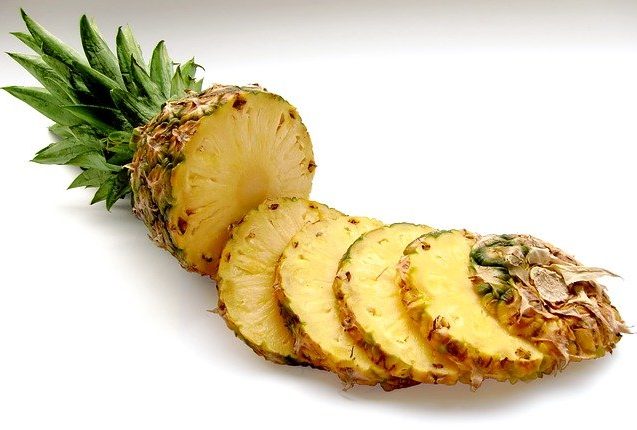
The Pineapple Diet: Why a Single-Food Plan Is Not a Balanced Approach
Keep pineapple as an enjoyable food rather than a restrictive diet, and avoid short-term safety assurances or exact weight-loss promises.

Keep pineapple as an enjoyable food rather than a restrictive diet, and avoid short-term safety assurances or exact weight-loss promises.

Use purposeful planning and appropriate effort without copying elite military workloads, outdated qualification standards, or training-through-pain rules.
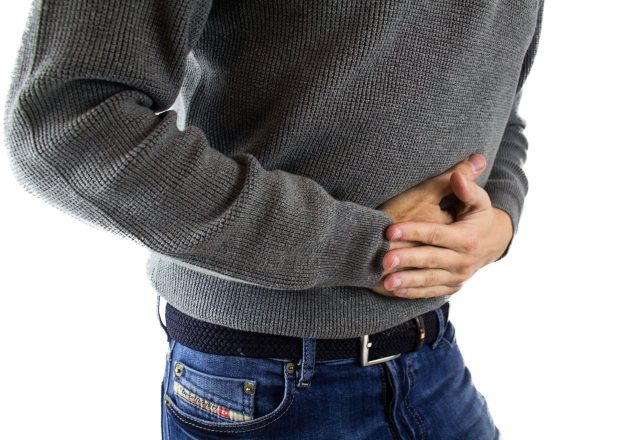
Record digestive symptoms, avoid microbiome self-diagnosis, and recognize when persistent symptoms or warning signs require medical evaluation.

Break a burpee into its parts, consider a supported step-back variation, and choose alternatives when the movement does not fit your needs.

Learn equipment setup, appropriate movements, workload, and progress tracking in your first strength sessions without rigid body-shape or repetition rules.

Use early learning goals, manageable workouts, helpful measurements, and realistic appointments while visible changes remain uncertain.

Review total workload, persistent symptoms, and the ability to rest without using a rigid workout limit or self-diagnosing hormone problems.
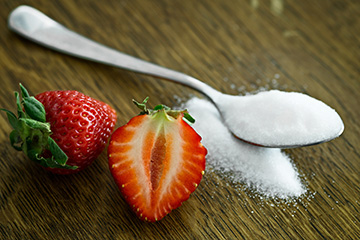
Compare sugars, stevia-derived ingredients, monk fruit, and sugar alcohols by the actual product, portion, tolerance, and individual needs.
Five questions about a medicine’s purpose, duration, side effects, interactions, and exercise considerations—without fear-based claims or treatment changes.
Replace blanket toxin claims with practical checks for produce, food containers, household products, and the evidence behind health headlines.